St Rosalia Chapel in Sławno
Why visit?
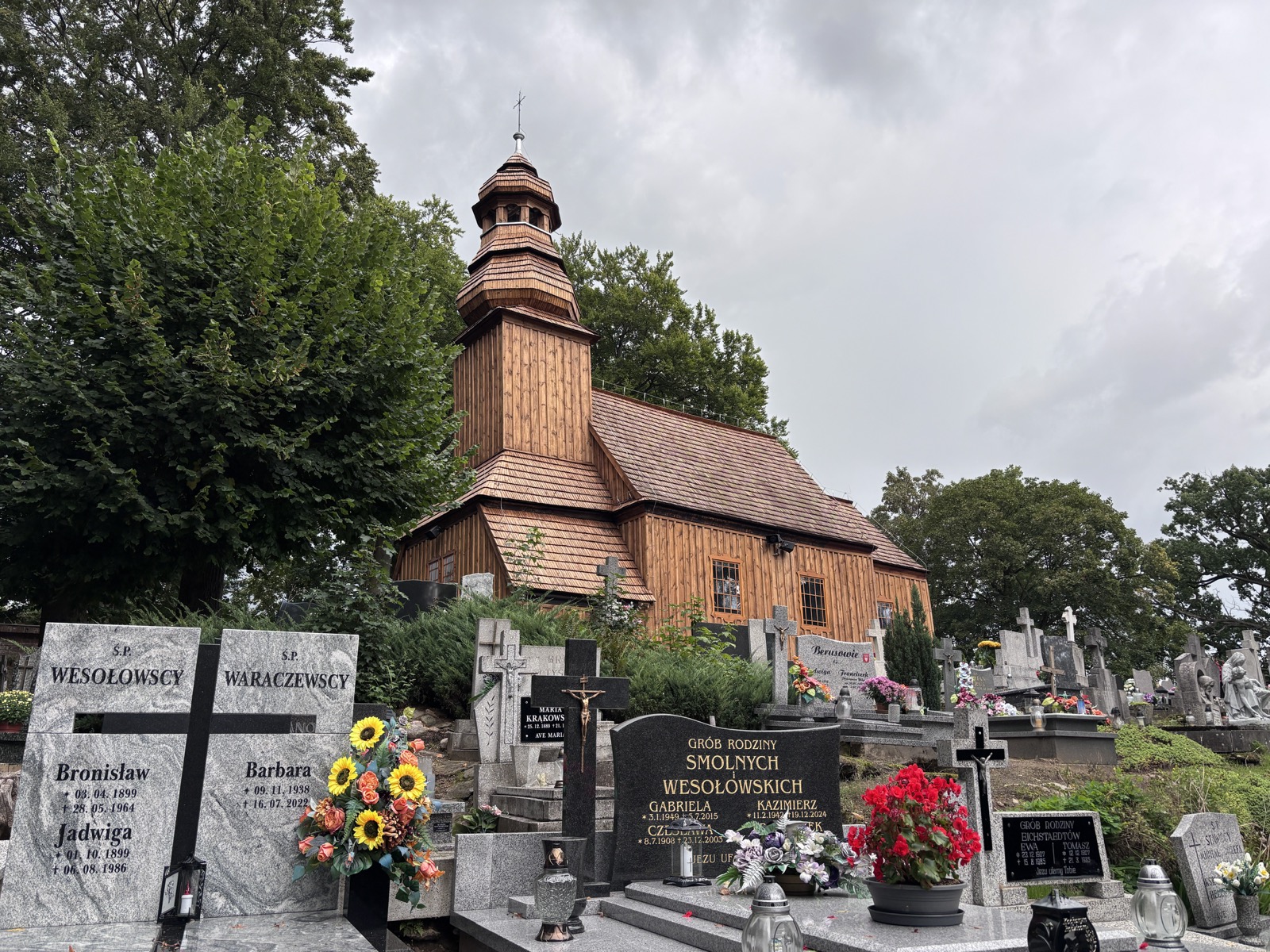
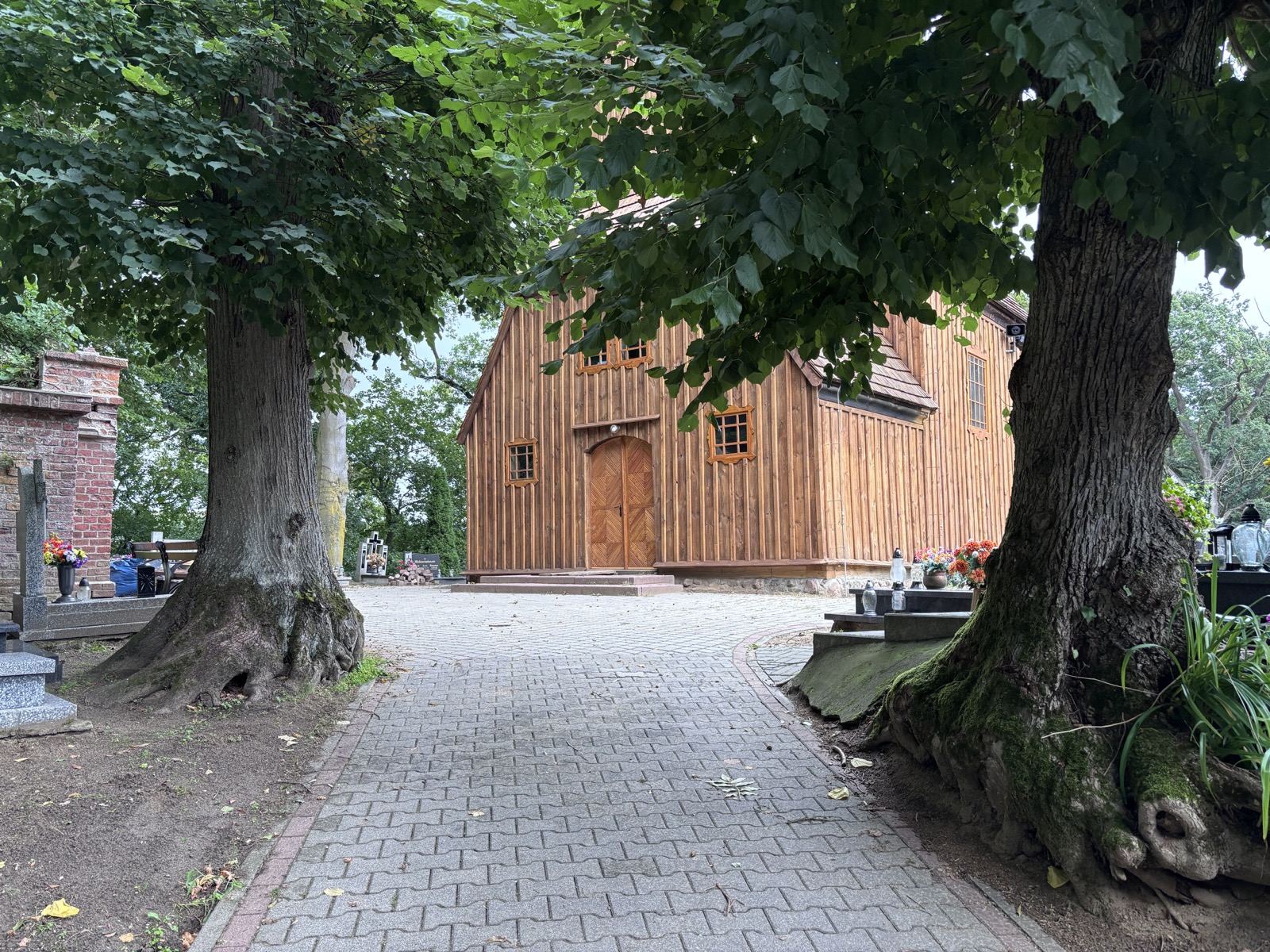
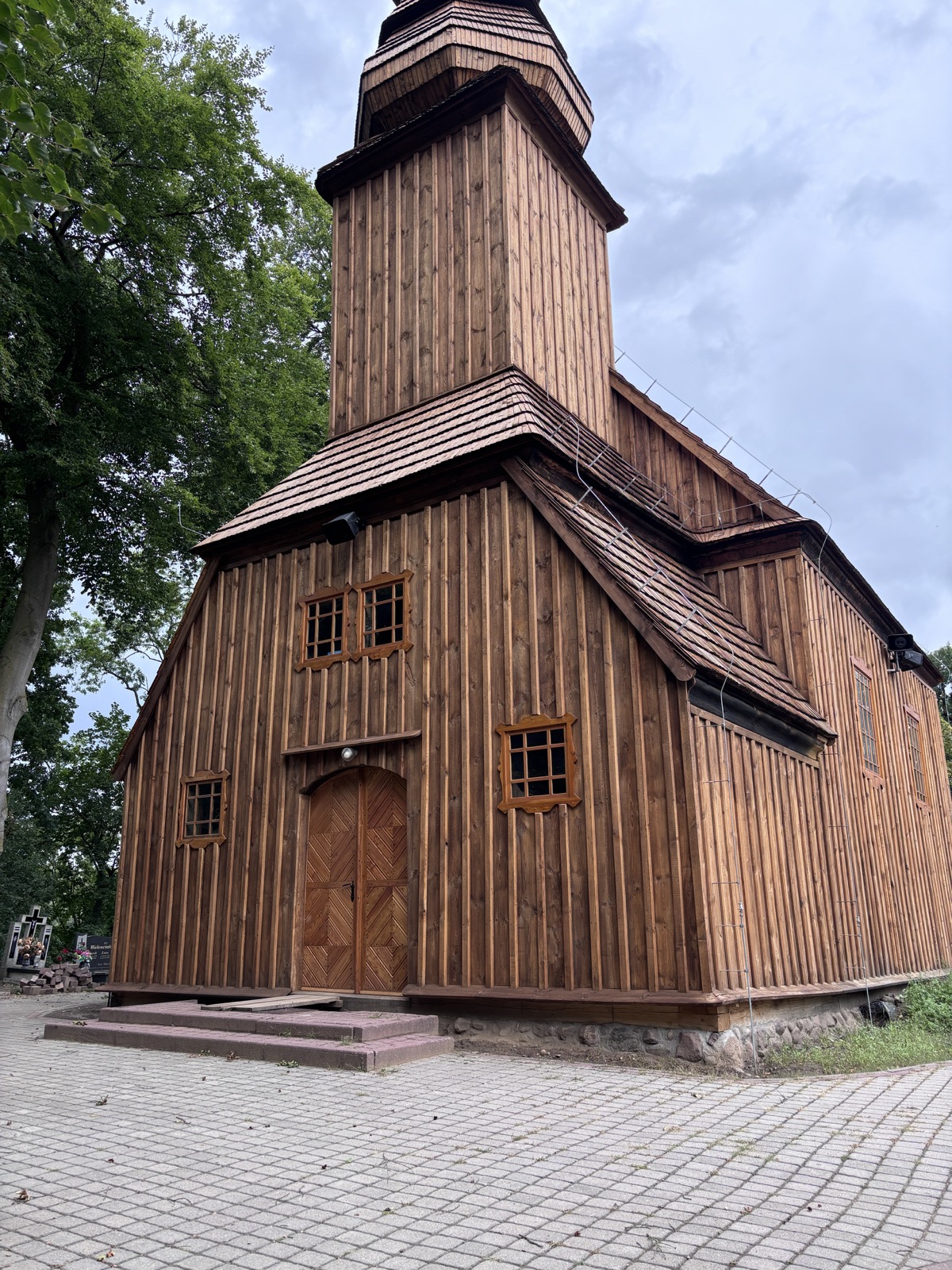
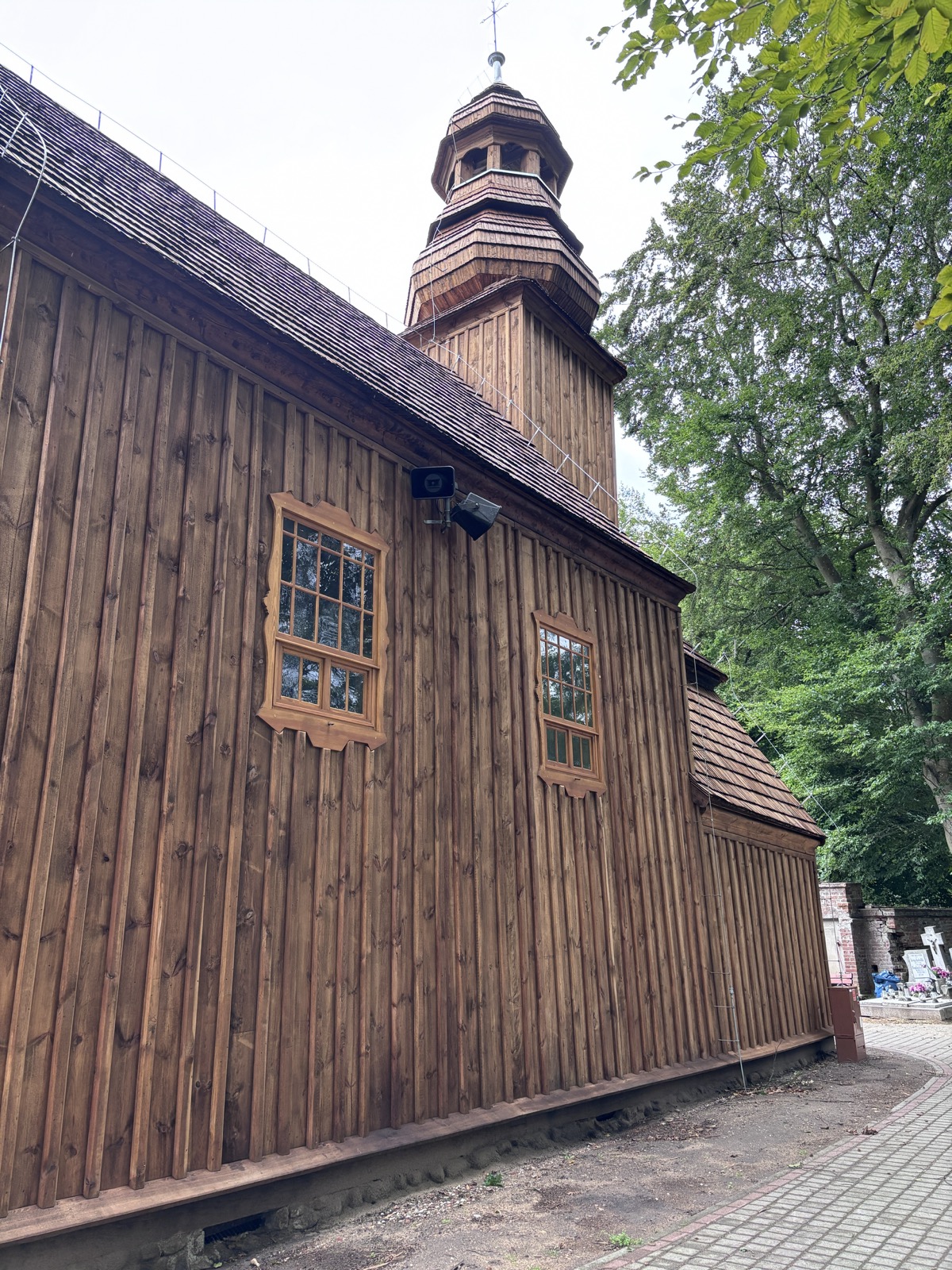
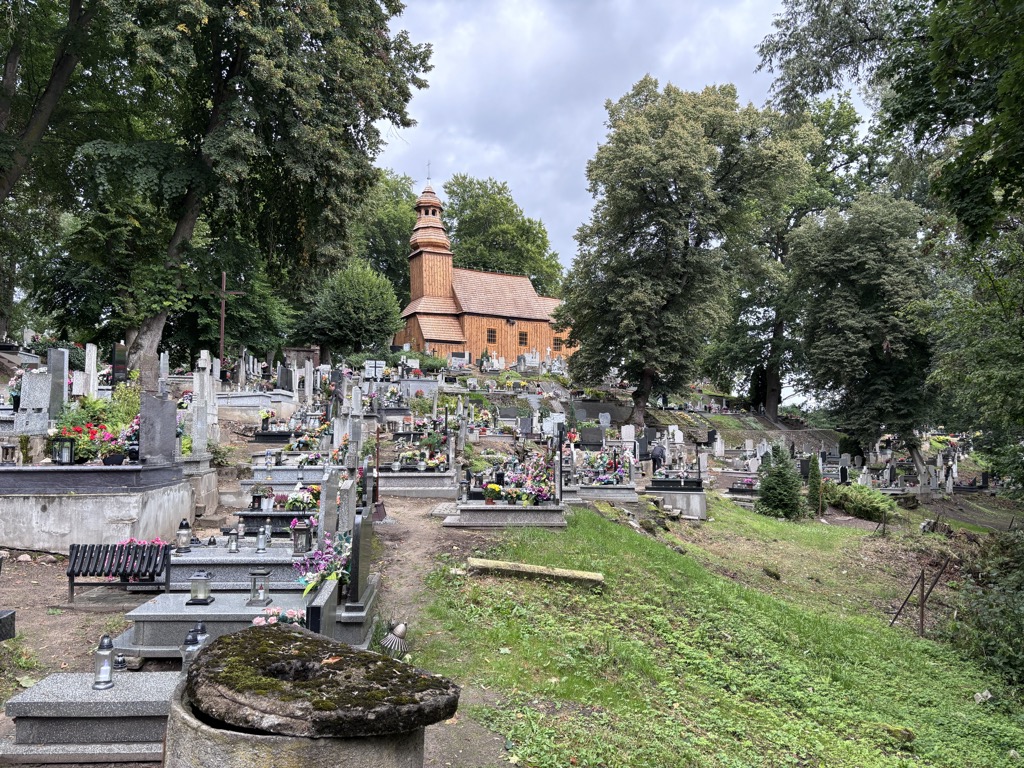
A small wooden chapel stands on a cemetery hill on the edge of Sławno. According to local tradition, the site was chosen after **St Rosalia appeared to a local shepherd**. The modest exterior hides a surprisingly interesting interior: eighteenth-century furnishings, painted decoration, skulls and hourglasses, as well as burial crypts beneath the building. Together with the surrounding historic cemetery, the chapel is one of the most interesting small heritage sites in the area around Lake Lednica. ## History St Rosalia Chapel was founded in the late eighteenth century by the local parish priest, Father Józef Ignacy Stolzman. The chapel was completed in **1785**, and its founder was later buried in a crypt beneath the chancel. According to local legend, St Rosalia appeared to a shepherd near the hill. The apparition is said to have inspired the priest to build the chapel here. The story is part of local tradition rather than a confirmed historical event. ## Architecture The chapel is a traditional timber building constructed using the log technique and clad in vertical wooden boards. It consists of a single nave, a narrower three-sided chancel and a western tower. The tower is topped by a distinctive **onion-shaped dome with a lantern**, while the roofs are covered with wooden shingles. ## Inside the chapel The ceiling and upper parts of the walls are decorated with painted garlands, rosettes and geometric and floral motifs. The main wooden altar contains an image of St Rosalia. Figures of the Virgin Mary and St Teresa stand at the side altars. One detail is particularly easy to miss. On the rood beam stands a sculpture of **St Barbara**, accompanied by putti resting on **skulls and holding hourglasses** — powerful symbols of death and the passing of time. ## Crypts beneath the building The founder of the chapel is buried beneath the chancel. A second burial crypt beneath the nave is associated with the **Chełmicki family, the last owners of Sławno**. The crypts are not normally part of a casual visit, but knowing that they are there adds another layer to the story of the small cemetery chapel. ## Historic cemetery Do not visit only for the chapel. The surrounding cemetery contains historic graves and monuments connected with generations of local residents. According to Poland's National Institute of Cultural Heritage, the **oldest surviving gravestone dates from 1857**. Other notable features include the Walter family tomb from 1885 and older graves connected with the history of the village. Look for the stone column beside the chancel. It is the grave monument of Major Damazy Dobrogojski, a participant in the November Uprising who died in 1857. The distinctive monument stands to the right of the chancel. A memorial near the cemetery commemorates local people killed, executed or murdered in prisons and concentration camps during the Second World War. ## What to look for - the onion-shaped tower dome, - the wooden shingle roof, - painted ceiling decoration, - the main altar with St Rosalia, - the sculpture of St Barbara, - skull and hourglass motifs, - historic graves surrounding the chapel. ## Interesting facts - The present chapel was completed in **1785**. - Its founder is buried beneath the chancel. - Local legend connects the chapel with an apparition of St Rosalia to a shepherd. - A second crypt beneath the nave belongs to the Chełmicki family. - Skulls and hourglasses appear in the chapel's historic decoration. - The oldest surviving gravestone in the cemetery dates from **1857**. - The chapel is part of the Wooden Churches Trail around the Zielonka Forest. - The local feast of St Rosalia is celebrated on 4 September. ## Practical information **GPS:** 52.5798441, 17.3635113 **Location:** the chapel stands inside the parish cemetery in the eastern part of Sławno. **Getting there:** the cemetery is easily accessible by car. **Parking:** you can leave your car **in front of the cemetery** and walk the short remaining distance to the chapel. **Interior access:** limited. The chapel is not normally open for unrestricted sightseeing. **Admission:** there is no regular ticketing system. **Suggested visit time:** approximately **20–30 minutes**, or around 45 minutes if you want to explore the historic cemetery in more detail. ## Tripto tip **Do not photograph the chapel only from close up.** Step a little lower among the graves — from there you can best see how the chapel rises above the terraced cemetery. Walk around the building and look for the stone column of Major Damazy Dobrogojski beside the chancel. If the chapel is open, look up at the painted ceiling and the rood beam with skulls and hourglasses. ## Combine your visit with: - **The Innkeeper of Waliszewo** → chapel → **Ostrów Lednicki** — combine the Red Tavern legend, wooden architecture and the origins of the Piast state. - **St. Catherine's Church in Waliszewo** → chapel — two wooden heritage sites in one quiet route around Lake Lednica. - **Greater Poland Ethnographic Park in Dziekanowice** → chapel — pair the open-air museum with a short walk across the cemetery hill.
What you’ll see
- kaplica z 1785 roku
- cebulasty hełm z latarnią
- malowany strop i ornamenty
- krypty pod kaplicą
- czaszki i klepsydry na belce tęczowej
- historyczny cmentarz
GetYourGuide
Recommended tours and tickets
Discover recommended experiences, tickets and tours you can book online.
Affiliate link — we may earn a commission from bookings.
Nearby attractions
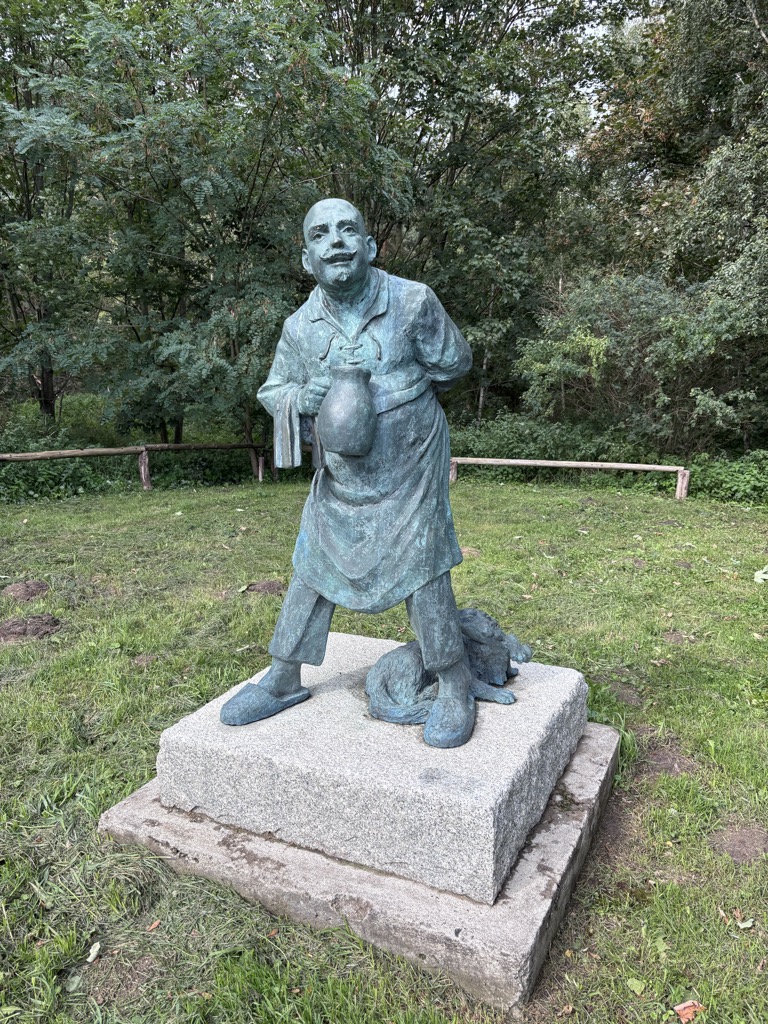
The Innkeeper of Waliszewo – the Legend of the Red Inn
↗ 2.9 km away# The Innkeeper of Waliszewo – the Legend of the Red Inn At first glance, the Innkeeper of Waliszewo seems surprisingly welcoming. He holds…
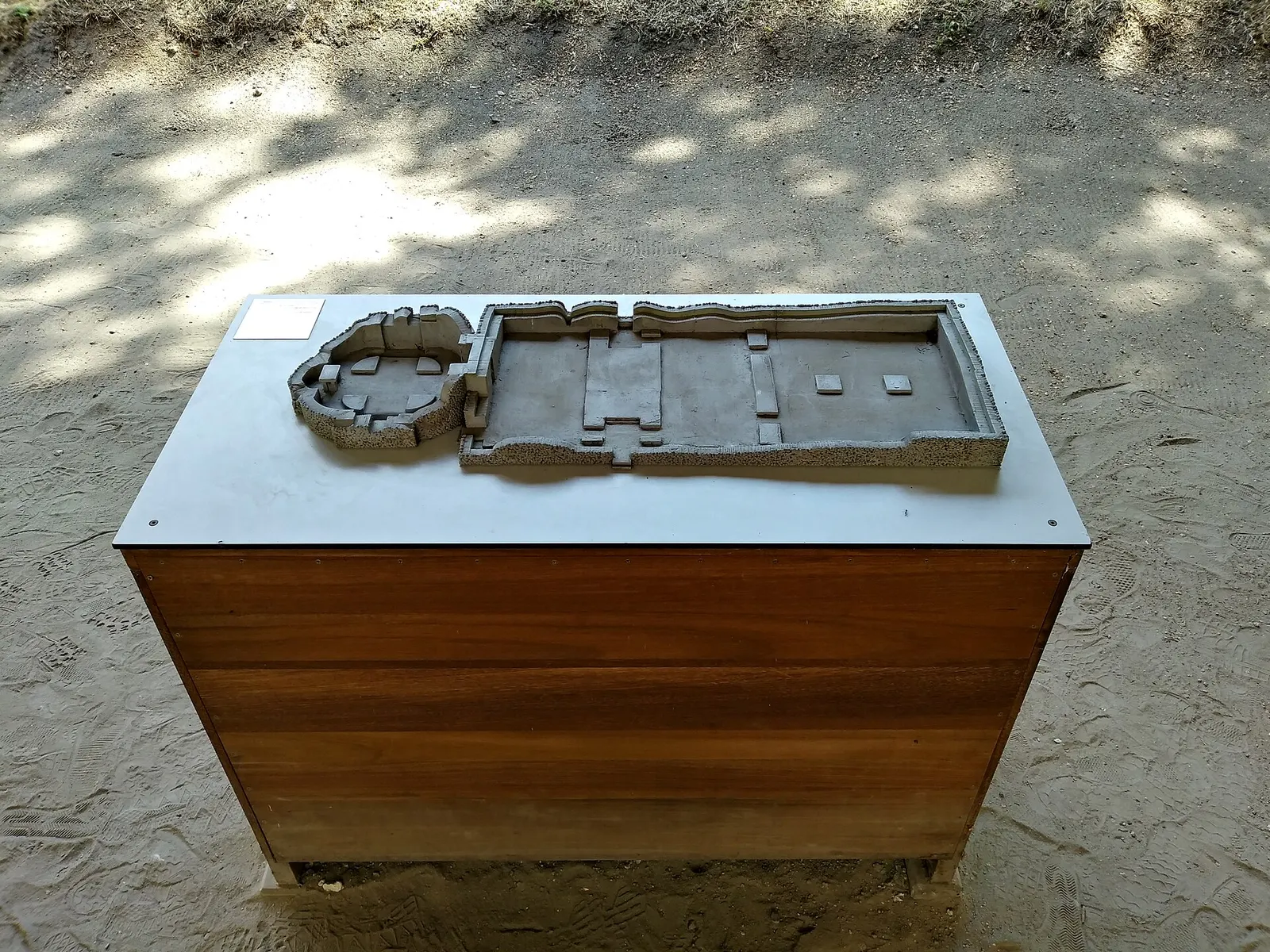
Ostrów Lednicki
↗ 6.0 km awayOstrów Lednicki in gmina Łubowo is an interesting stop connected with the area’s history, culture or landscape. Include it in a sightseeing …
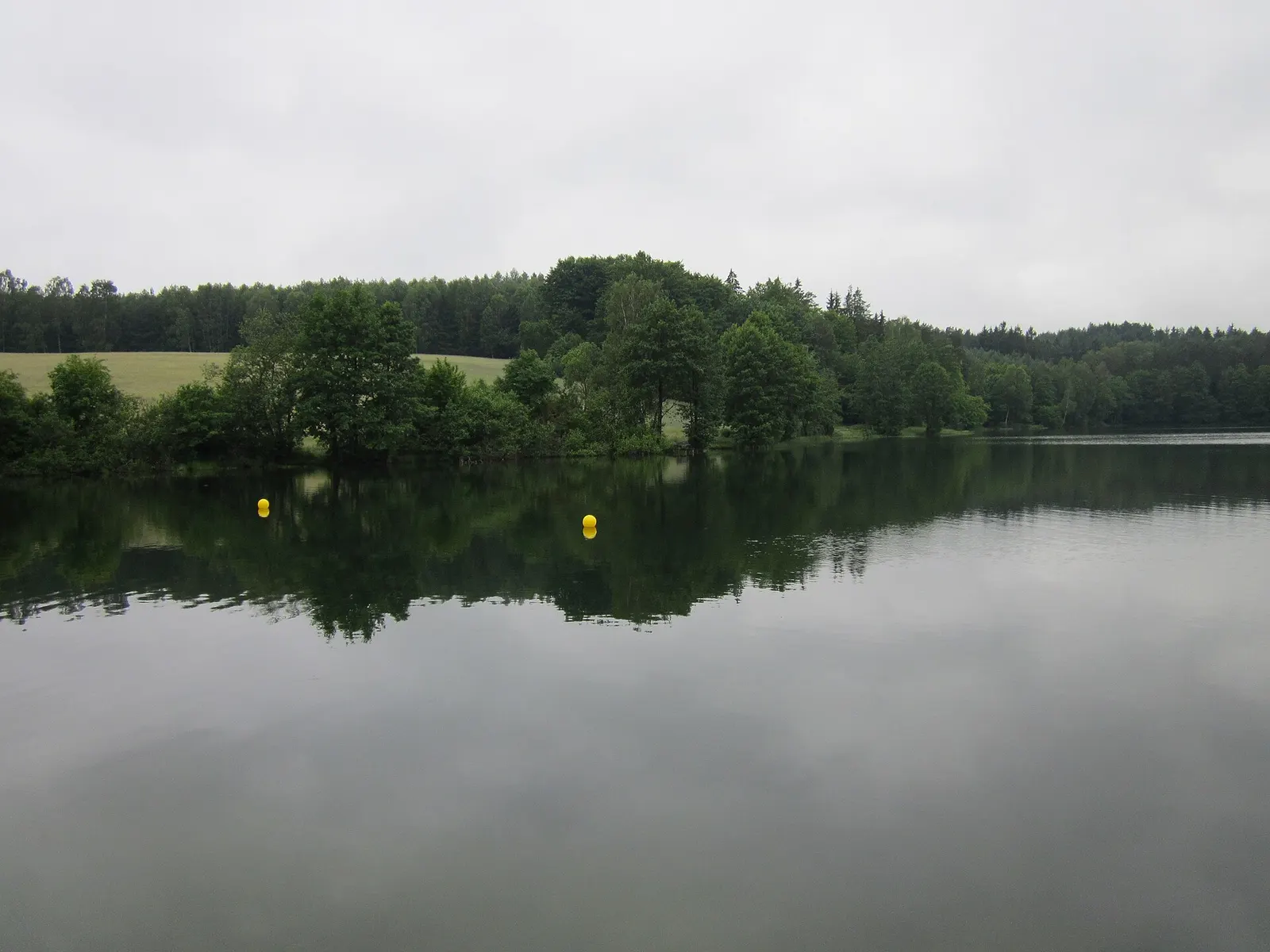
Lednica Landscape Park
↗ 6.1 km awayLednica Landscape Park in gmina Łubowo is an interesting stop connected with the area’s history, culture or landscape. Include it in a sight…
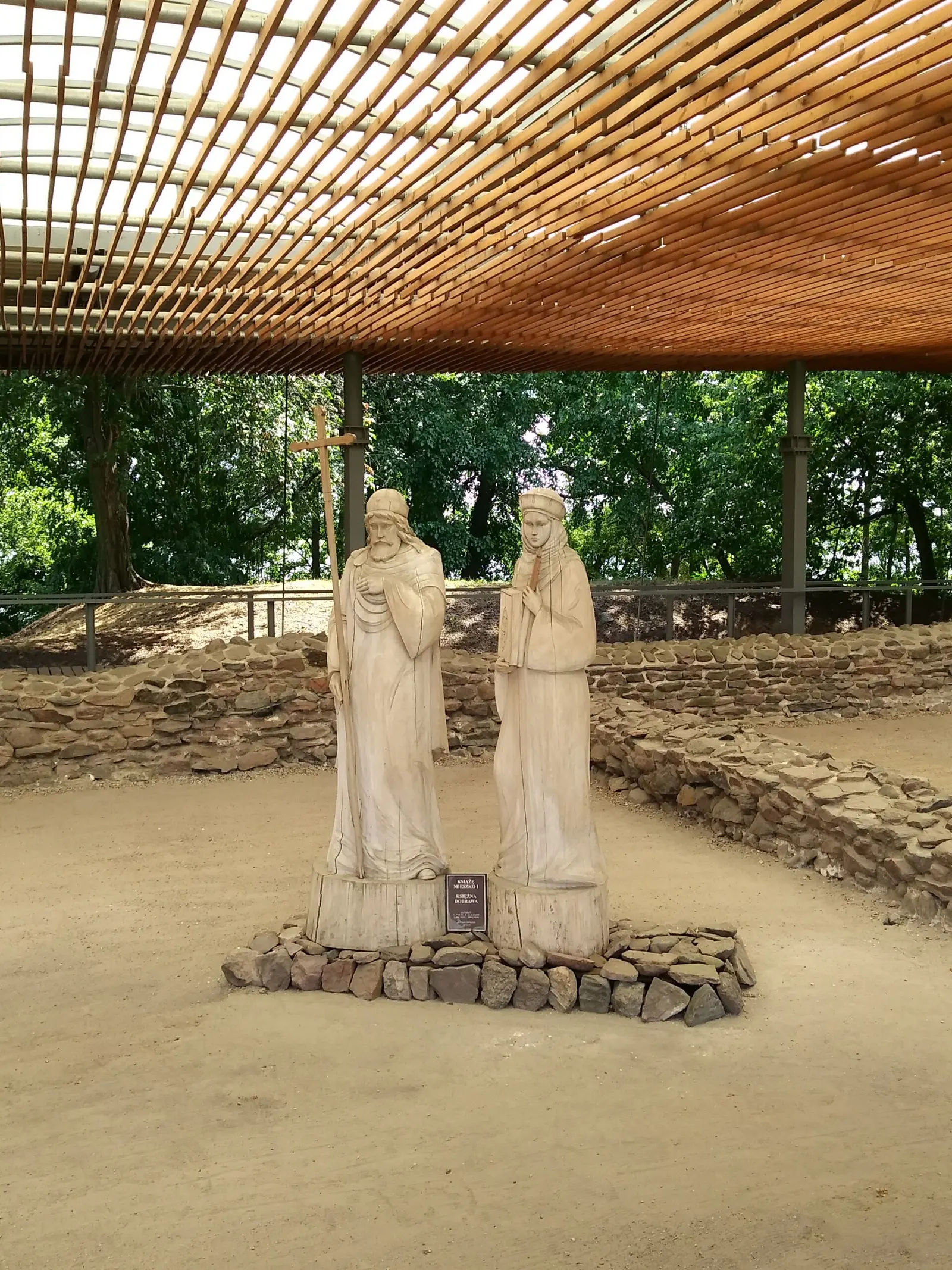
Museum of the First Piasts at Lednica
↗ 6.8 km awayThe Museum of the First Piasts at Lednica explores the beginnings of the Polish state and the world of the early Piast dynasty. Its highligh…
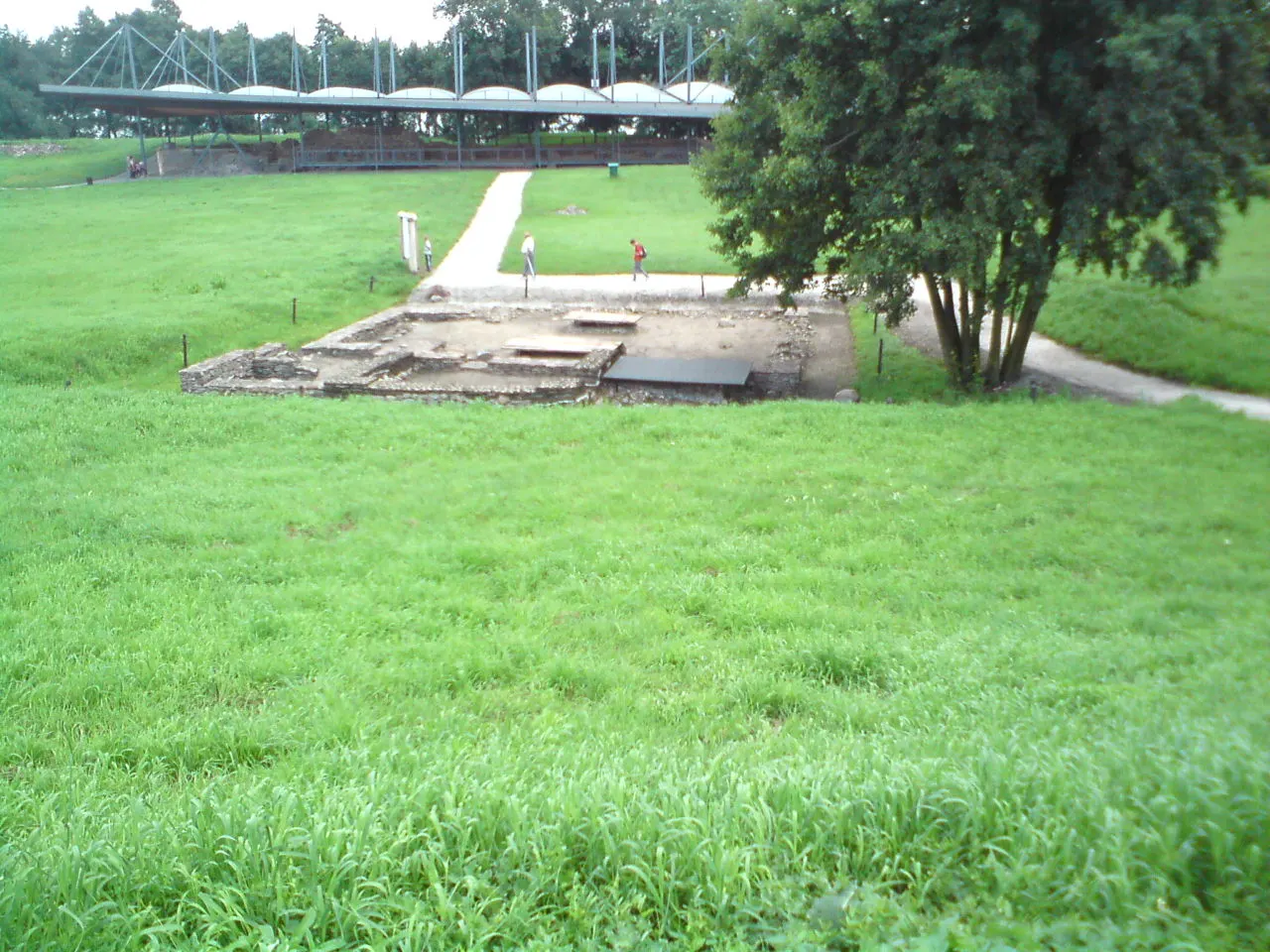
Lednica Landscape Park
↗ 6.9 km awayA park around Lake Lednica — the heart of the first Piast state. The island of Ostrów with palace ruins, fields and lakes form a landscape w…
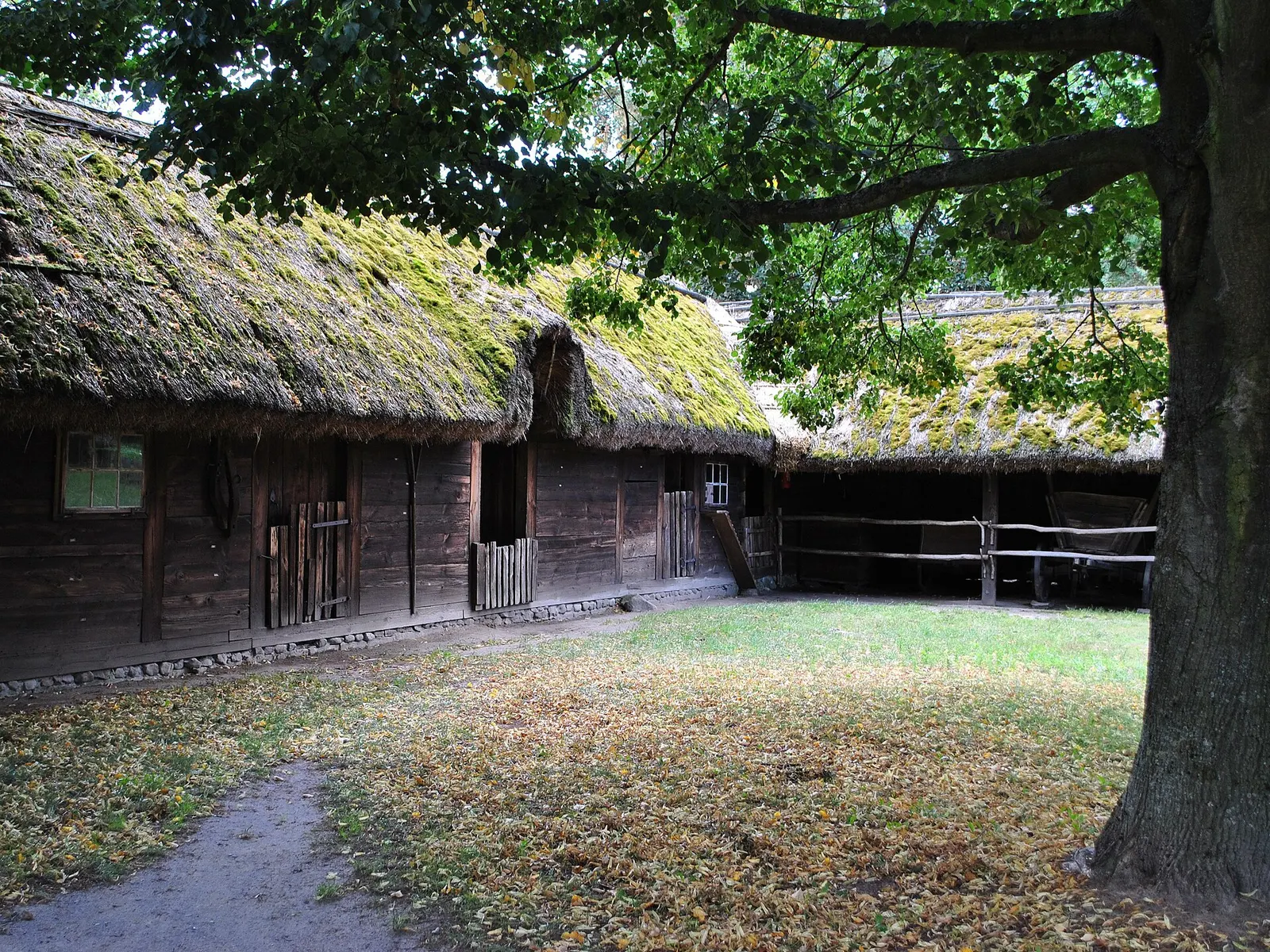
Open air museum in Dziekanowice
↗ 7.5 km awayOpen air museum in Dziekanowice in gmina Łubowo offers an introduction to the history, culture or heritage of the area. Its displays bring t…
Museum of the Polish State Origins in Gniezno
↗ 16 km awayMuseum of the Polish State Origins in Gniezno in Gniezno offers an introduction to the history, culture or heritage of the area. Its display…
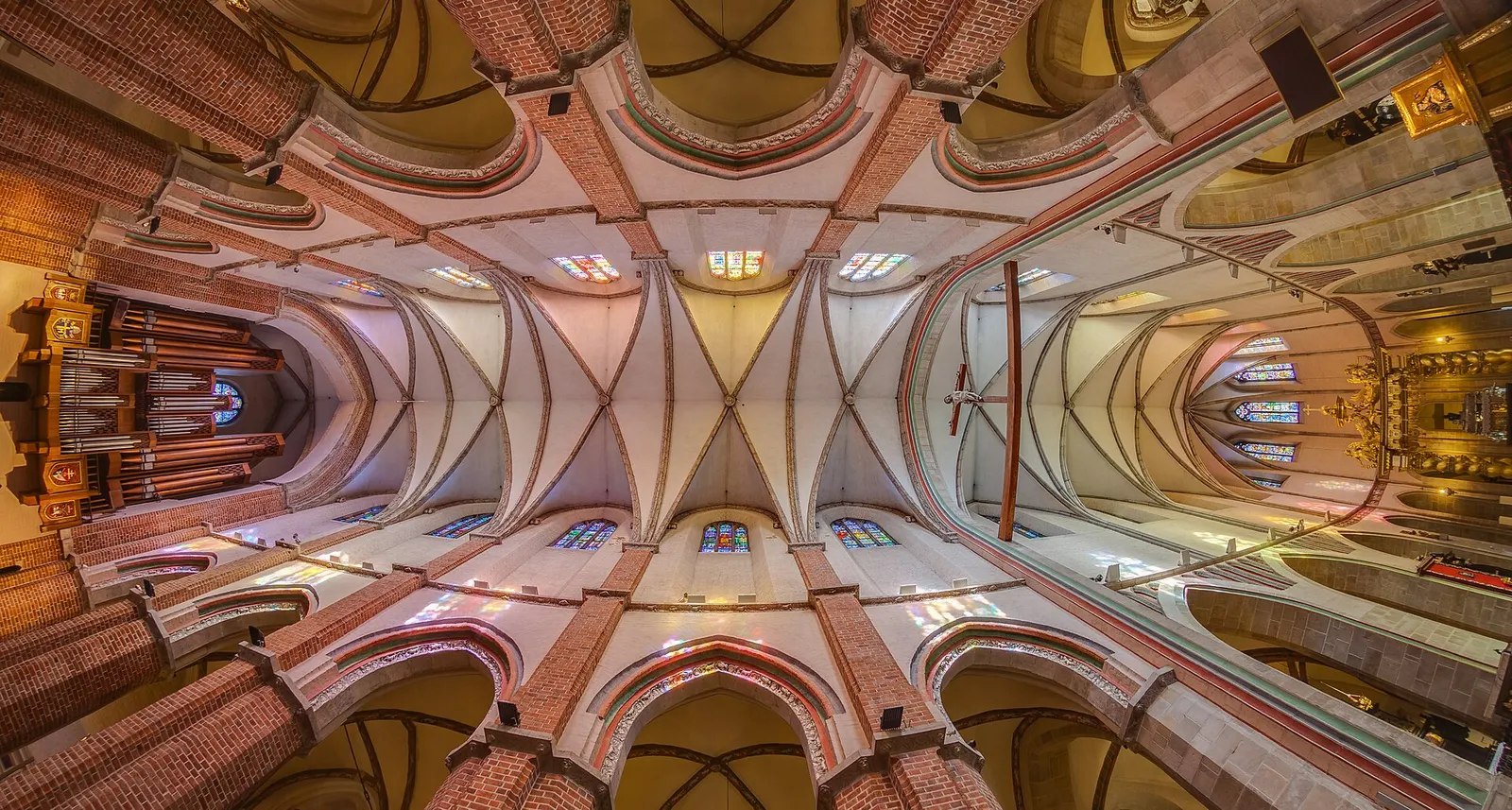
Gniezno Cathedral
↗ 16 km awayGniezno Cathedral stands on Lech Hill, where the history of the Polish Church meets the beginnings of the Polish state. It is connected with…
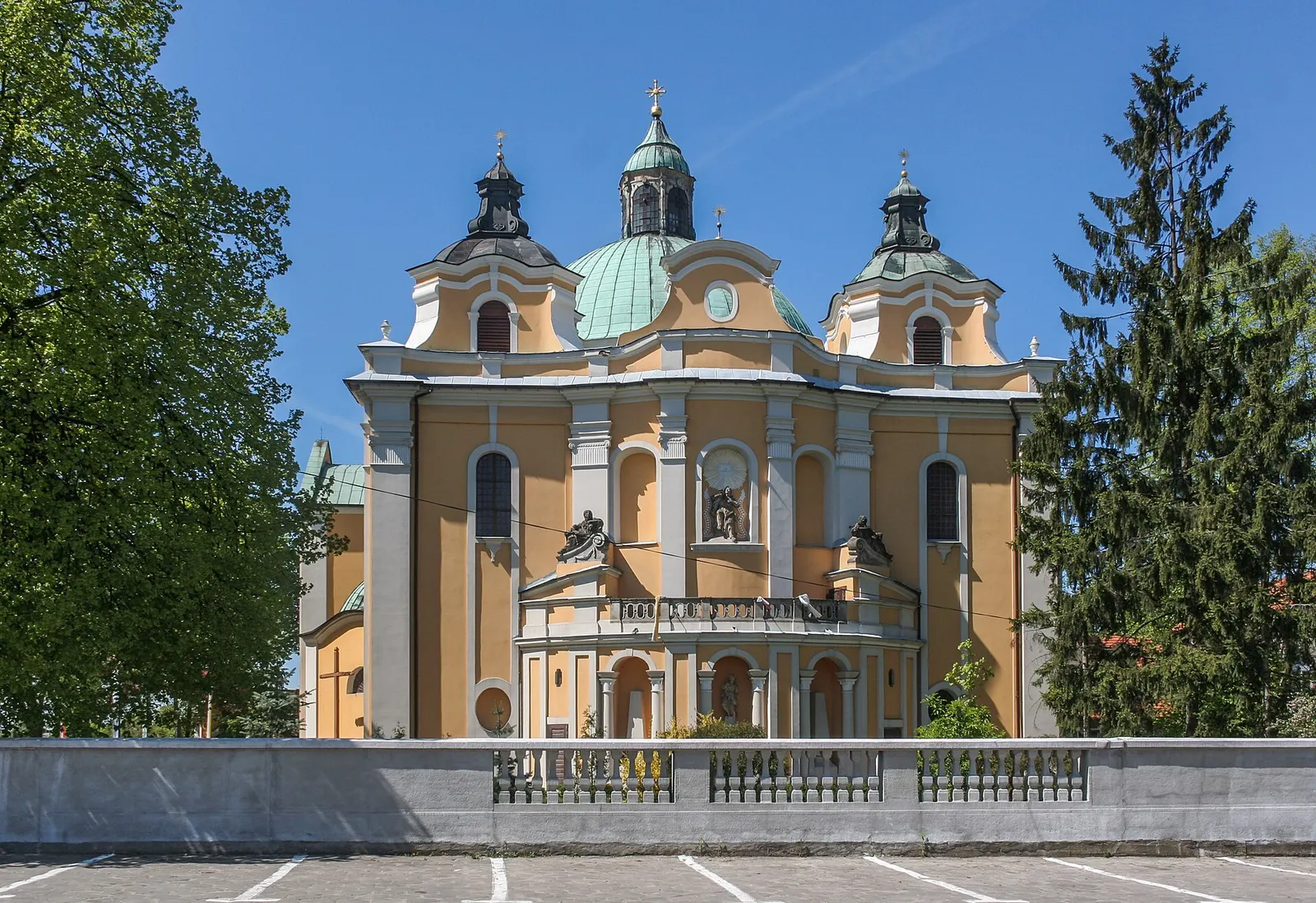
Saint Michael Archangel and Assumption of Mary Basilica in Trzemeszno
↗ 31 km awaySaint Michael Archangel and Assumption of Mary Basilica in Trzemeszno in Trzemeszno is an interesting stop connected with the area’s history…
Map
⚠️ Failed to load the map.
Open the list →