Gniezno Cathedral
Why visit?
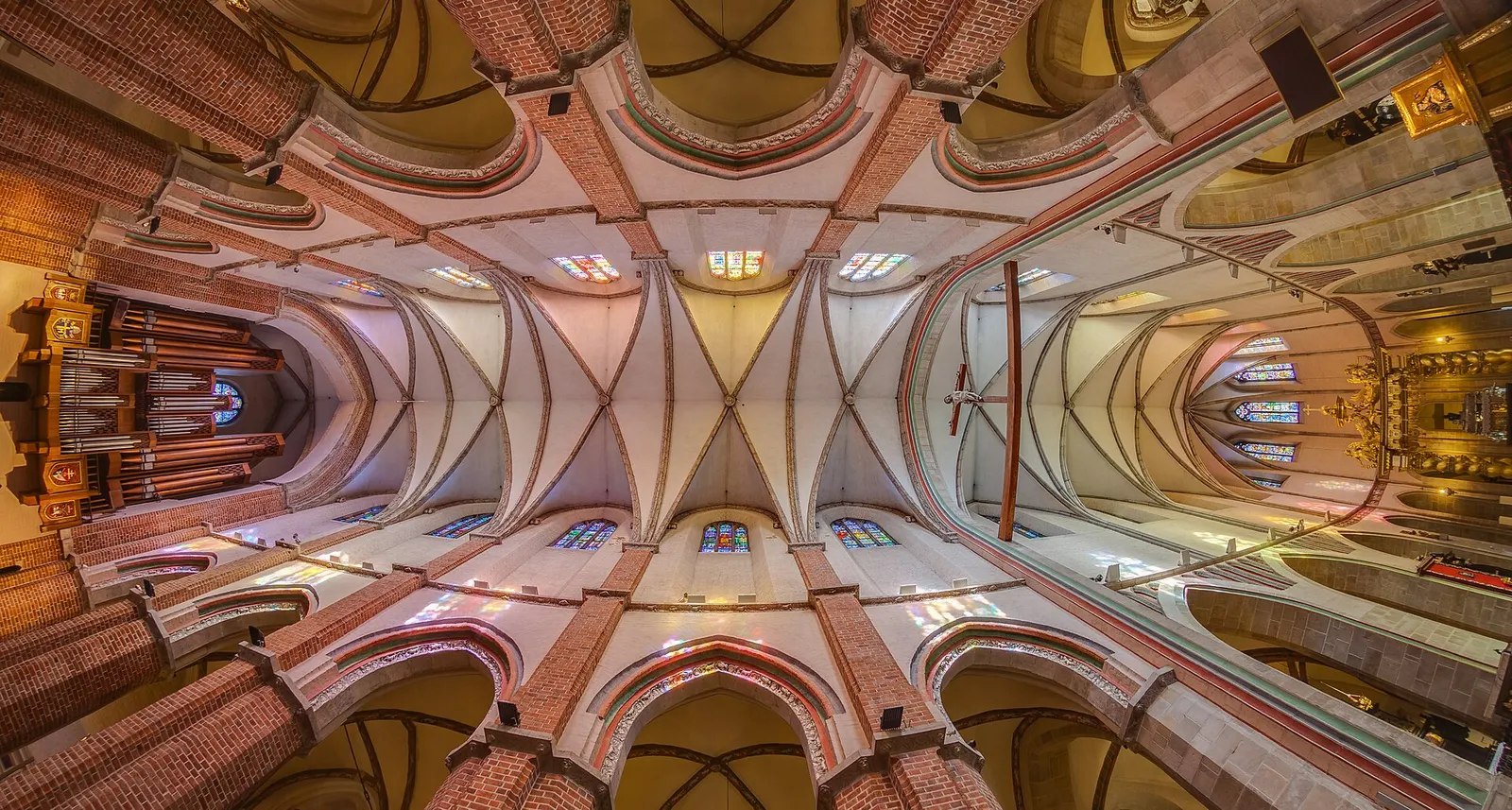
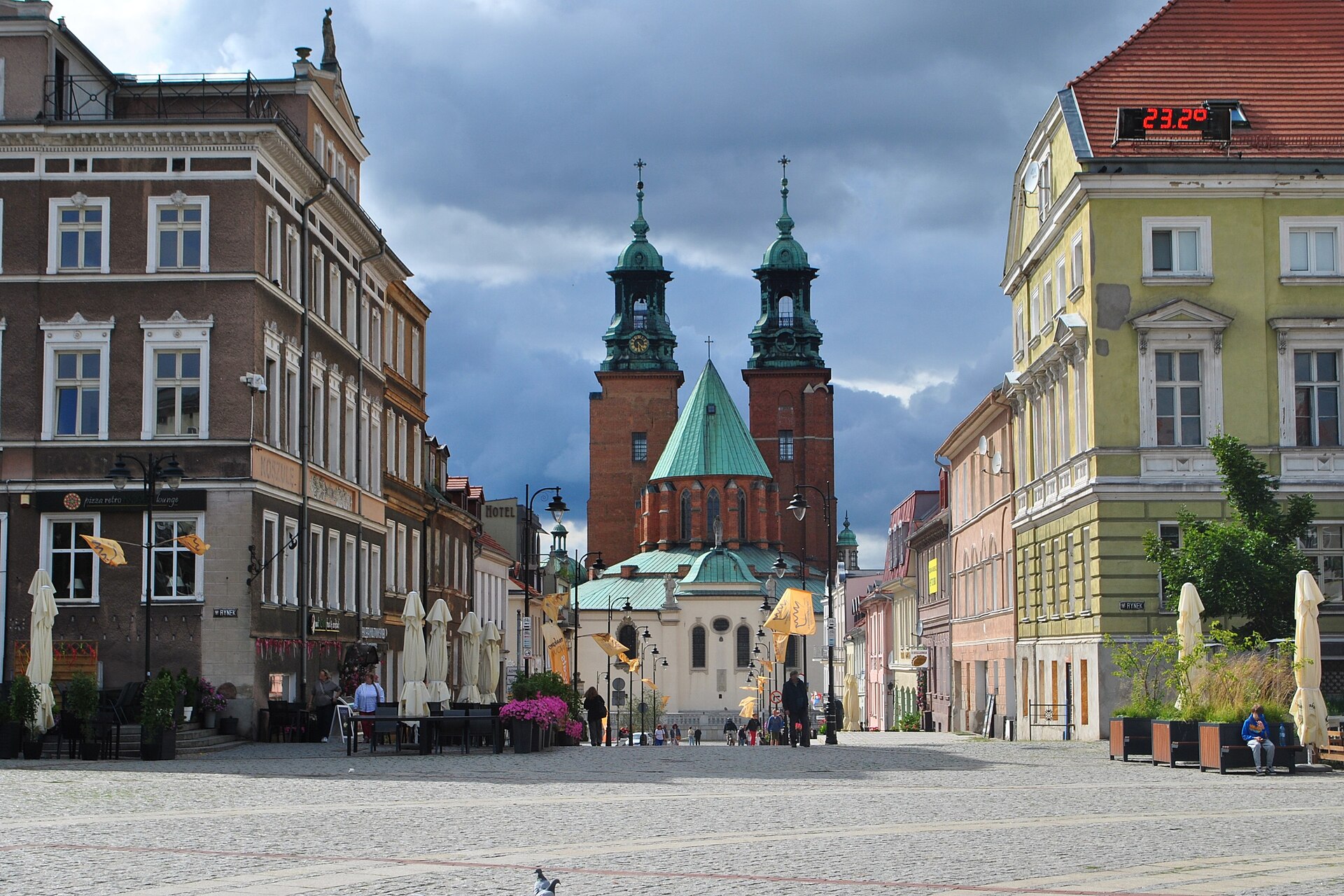
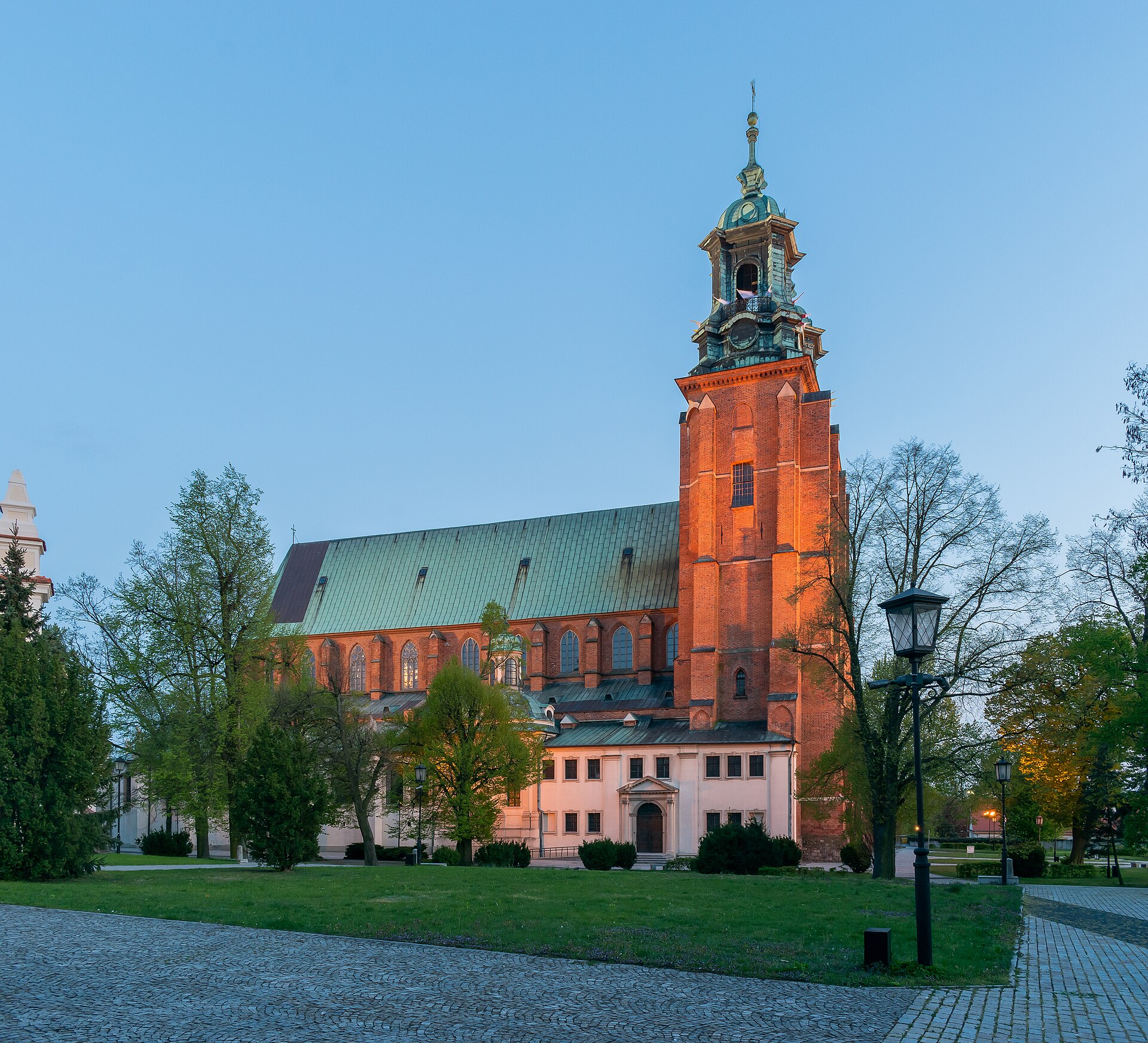
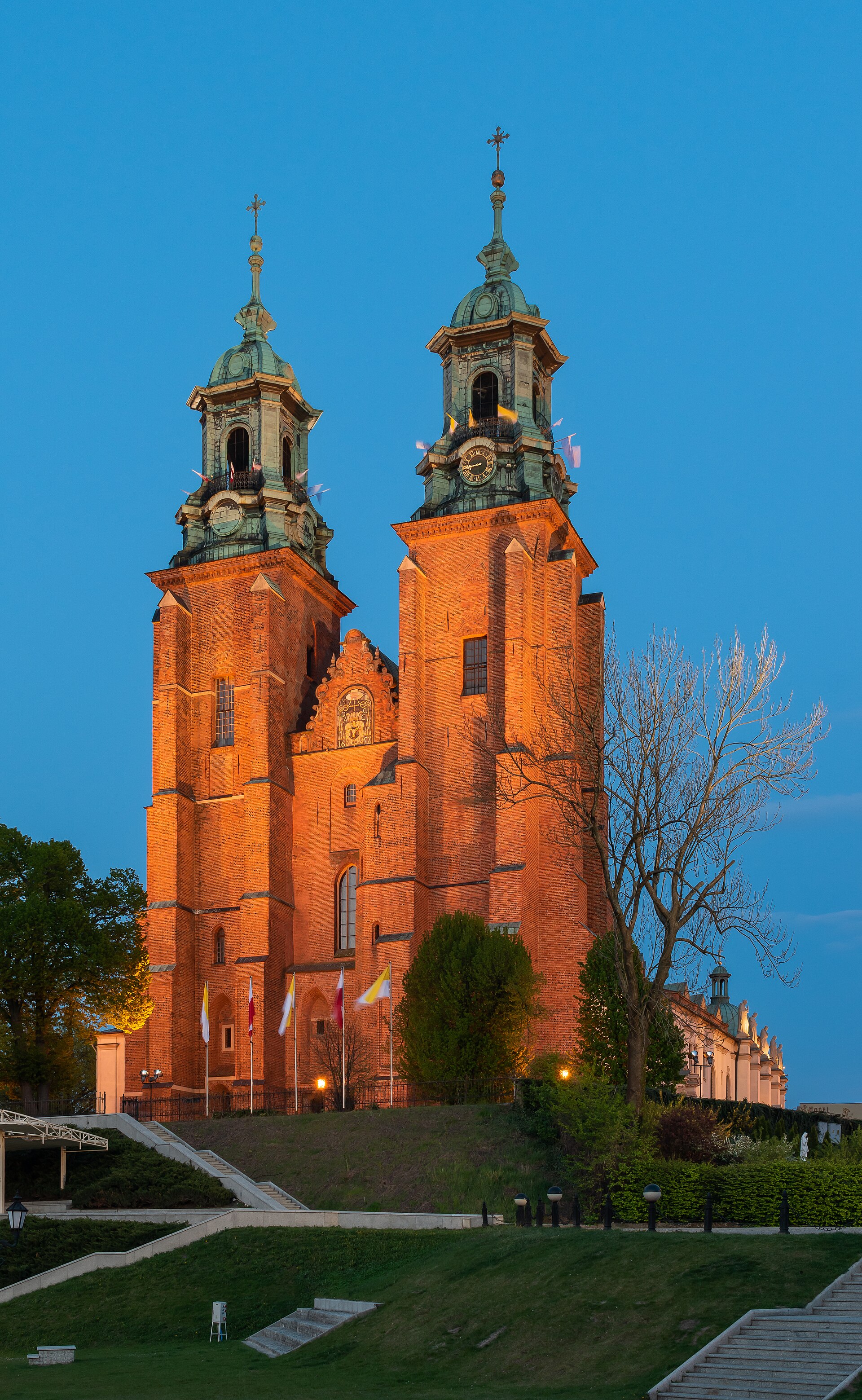
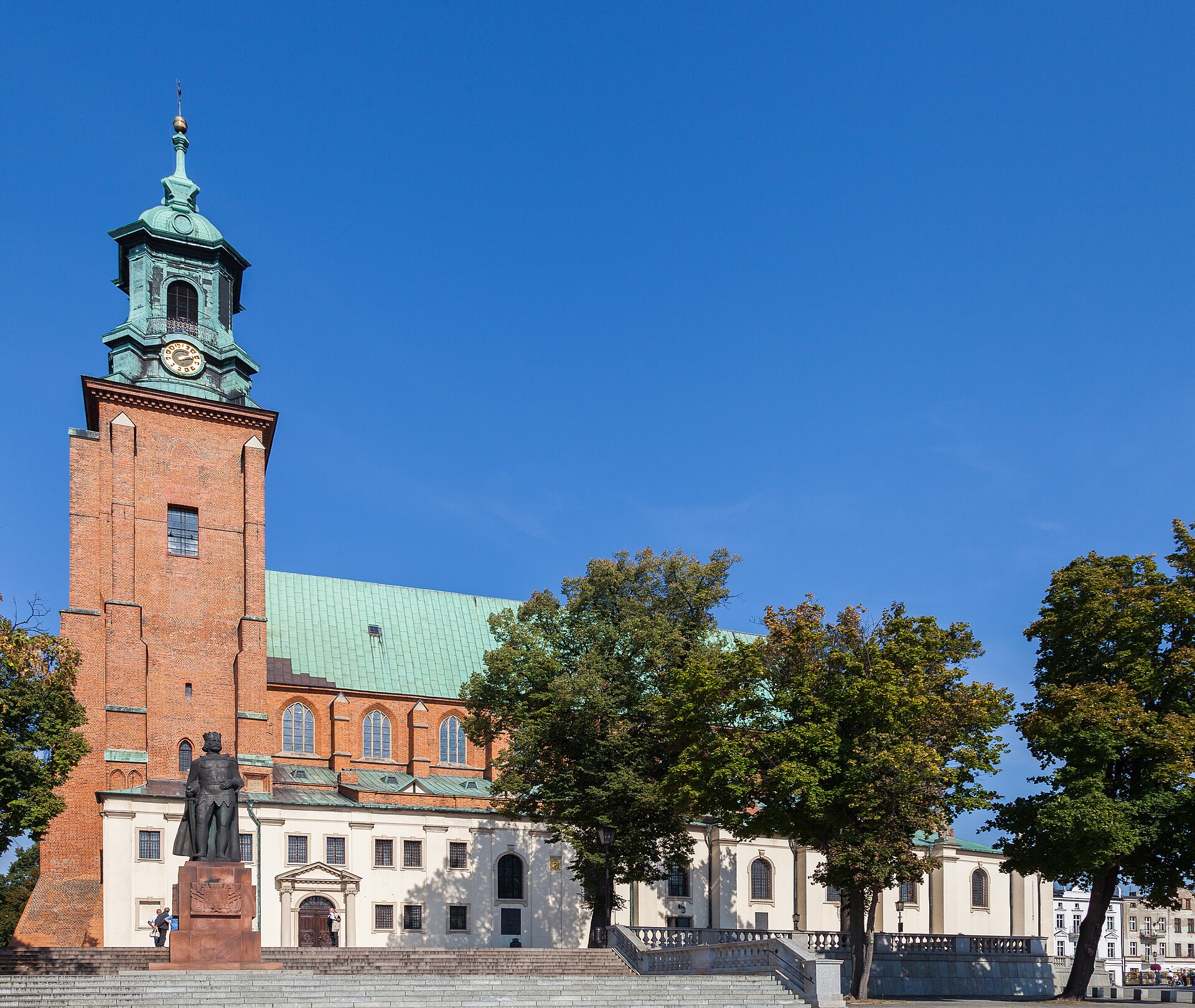
Gniezno Cathedral stands on Lech Hill, where the history of the Polish Church meets the beginnings of the Polish state. It is connected with the cult of St Adalbert, medieval royal coronations and several earlier churches built on the same hill. The best-known object is the Gniezno Door, a set of Romanesque bronze wings whose reliefs tell the story of the city’s patron. ## Why visit The cathedral is more than a single church interior. It is the starting point for a visit to Lech Hill, where you can combine the basilica, underground remains, the Gniezno Door, the tower and the Museum of the Archdiocese of Gniezno. Each part adds a different layer: archaeological traces of earlier buildings, Gothic architecture, later chapels, funerary art and the cathedral treasury. ## A building shaped by history The present cathedral is a Gothic church whose construction began in 1342 on the initiative of Archbishop Jarosław Bogoria Skotnicki. Its three-aisled basilica has no transept, while the presbytery is surrounded by an ambulatory and a ring of chapels. The ambitious design reflected Gniezno’s role as a historic centre of the Polish Church and was intended to serve as a royal coronation setting. The main construction campaign ended at the beginning of the seventeenth century, when the north tower was completed. The current building replaced earlier churches on the hill. The Lech Hill visitor service dates the first church here to the time of Mieszko I and links the site with the burial of St Adalbert in 1000. A Romanesque cathedral followed the destruction associated with the raid of Bretislaus. Fires in 1613 and 1760 changed the building again; the second fire brought down the vault over the presbytery. Architect Efraim Szreger led the reconstruction and introduced Baroque and Classicist elements. The cathedral was damaged again by shelling and fire in January 1945. Post-war work restored its Gothic character. The restoration carried out in the 1950s and 1960s means that today’s interior combines a medieval architectural framework with later chapels and visible traces of rebuilding. ## What to look for Begin with the tomb and confession of St Adalbert in the presbytery. Then go down to the vaults. They contain remains of earlier structures, fragments of ceramic flooring and one of the oldest Polish funerary inscriptions, dated to around 1006. The underground route is short, but it explains why the cathedral should be read as one chapter in a much longer history of Lech Hill. The Gniezno Door is displayed in the former porch on the southern side of the basilica. Made around 1175, it has 18 relief panels. The first nine show episodes from St Adalbert’s life before he came to Poland; the remaining nine cover his mission, martyrdom and burial in Gniezno. Look closely at the surrounding border, which contains 64 figures of people, animals, work, hunting and imaginary creatures. The two wings differ in their technique, relief and dimensions, and each weighs roughly 600 kilograms. In the side aisles and ambulatory, look for chapels and monumental grilles from several periods. More than 70 examples of funerary art have survived in the cathedral. They include a bronze tomb slab for Archbishop Jakub of Sienno and a Hungarian-marble epitaph for Zbigniew Oleśnicki associated with the workshop of Veit Stoss. The visit pairs naturally with the treasury displayed in the nearby Museum of the Archdiocese of Gniezno. ## Interesting facts * The present cathedral is the third church built on Lech Hill. * The Gniezno Door follows a symbolic sequence from birth to death. * Its border includes both realistic scenes and creatures from medieval myth and legend. * The cathedral has an exceptional Polish collection of monumental Gothic, Renaissance and Baroque grilles. * In 1997, Pope John Paul II consecrated a new altar, confession and tomb of St Adalbert here. ## Practical information The cathedral is first and foremost a place of worship. Tourist access covers separately ticketed parts of the Lech Hill complex: the Gniezno Door, vaults, viewing terrace and Museum of the Archdiocese. The current price list is valid from 1 January 2026: an adult ticket costs PLN 16 for the Door, PLN 14 for the vaults, PLN 12 for the terrace and PLN 18 for the museum. The all-inclusive pass, including the cathedral interior and an audio guide, costs PLN 48. Reduced and family tickets are available. From 1 May to 31 October, the cathedral, vaults, Door and terrace are listed as open Monday to Saturday from 09:00 to 17:00. From 1 November to 30 April, the cathedral and vaults are open Monday to Saturday from 09:00 to 16:00, while the terrace is not available in that period. The ticket office closes 30 minutes before the end of visiting hours. Sunday access and visiting during services may follow different rules, so check the Lech Hill website before travelling. Allow about 90 minutes for the cathedral, Door and vaults. If you choose the pass with the tower and museum, plan at least 2.5–3 hours. The cathedral is on Lech Hill and works best as part of a walking route through historic Gniezno. I did not find current official information about a dedicated cathedral car park, so check parking arrangements before your visit. **Tripto tip:** arrive on a weekday morning, choose the all-inclusive pass and start with the vaults and Gniezno Door. Then continue to the Museum of the Archdiocese or the Museum of the Origins of the Polish State. With more time, add the historic sites around Ostrów Lednicki.
What you’ll see
- Drzwi Gnieźnieńskie
- podziemia i relikty wcześniejszych świątyń
- grób i konfesja św. Wojciecha
- gotycka architektura i wieniec kaplic
- skarbiec w Muzeum Archidiecezji
GetYourGuide
Recommended tours and tickets
Discover recommended experiences, tickets and tours you can book online.
Affiliate link — we may earn a commission from bookings.
Nearby attractions
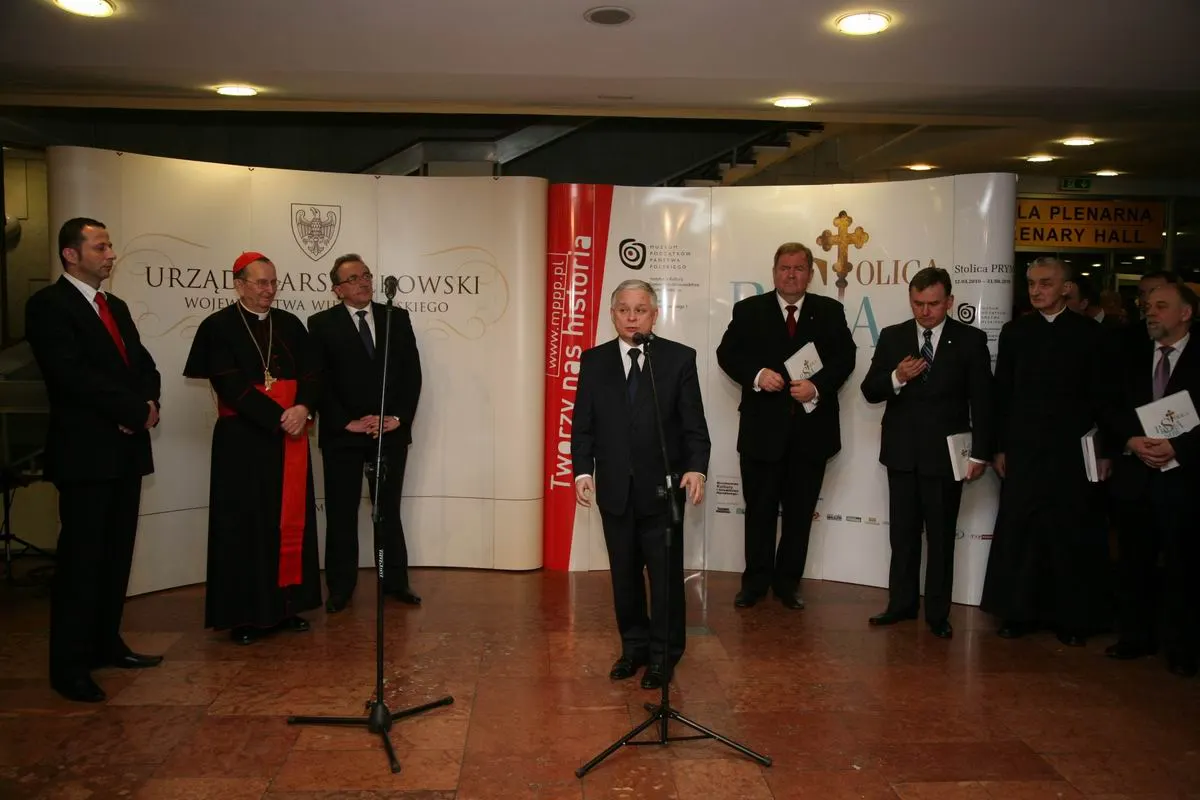
Museum of the Polish State Origins in Gniezno
↗ 0.7 km awayMuseum of the Polish State Origins in Gniezno in Gniezno offers an introduction to the history, culture or heritage of the area. Its display…
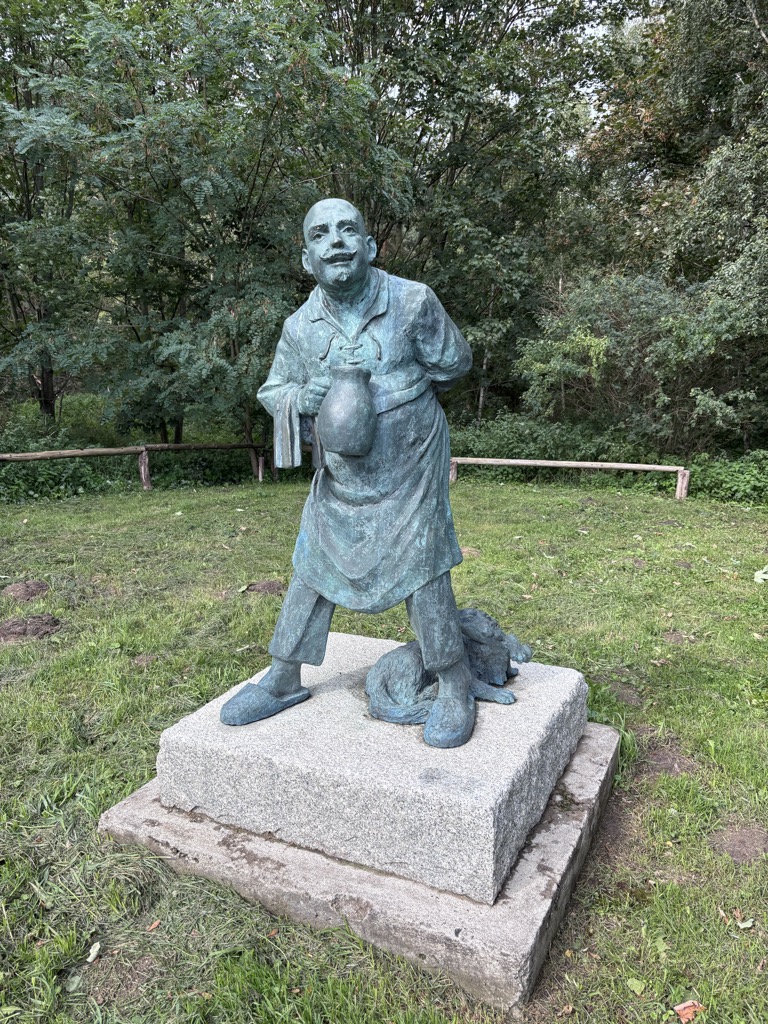
The Innkeeper of Waliszewo – the Legend of the Red Inn
↗ 13 km away# The Innkeeper of Waliszewo – the Legend of the Red Inn At first glance, the Innkeeper of Waliszewo seems surprisingly welcoming. He holds…
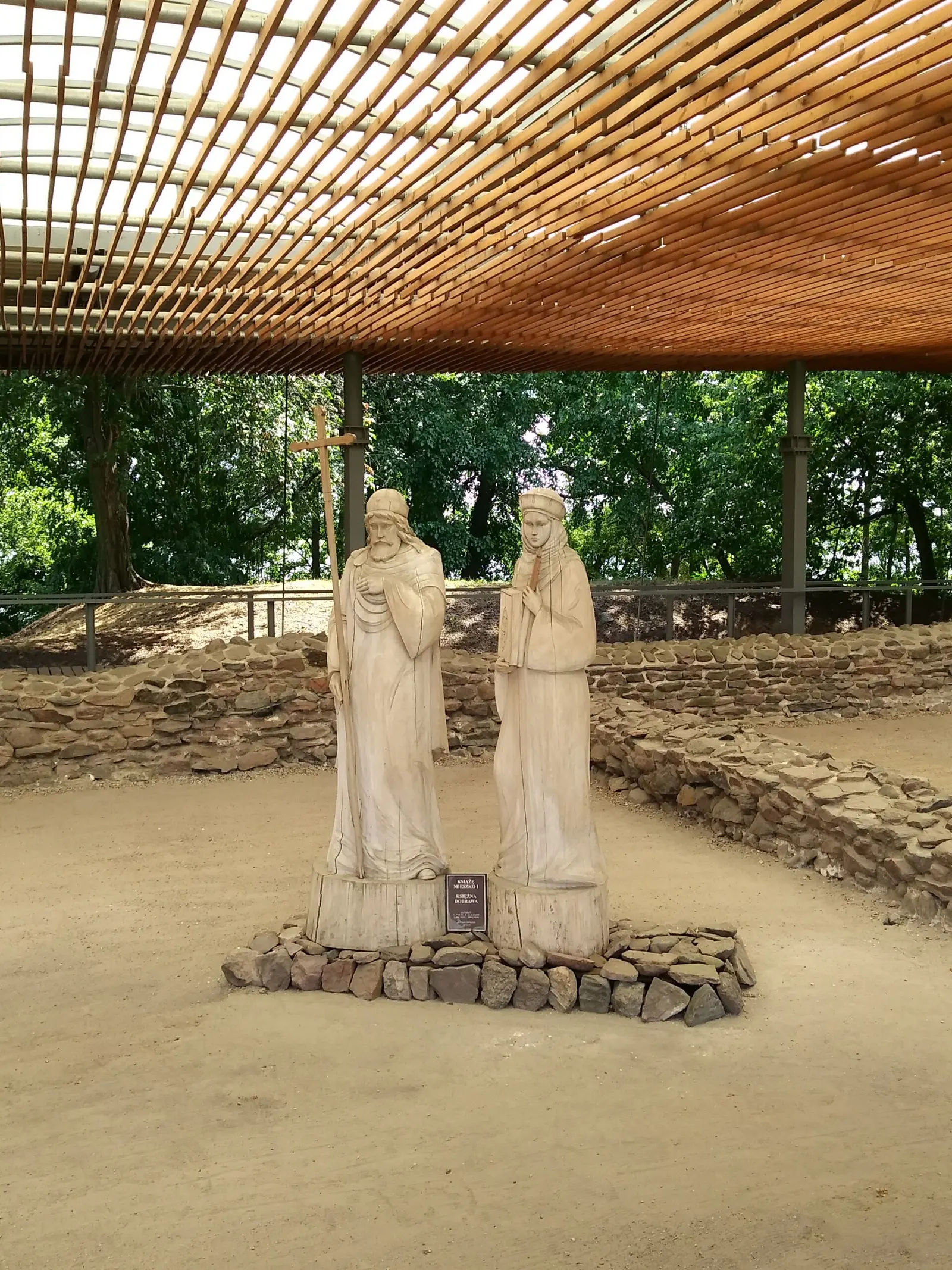
Museum of the First Piasts at Lednica
↗ 14 km awayThe Museum of the First Piasts at Lednica explores the beginnings of the Polish state and the world of the early Piast dynasty. Its highligh…
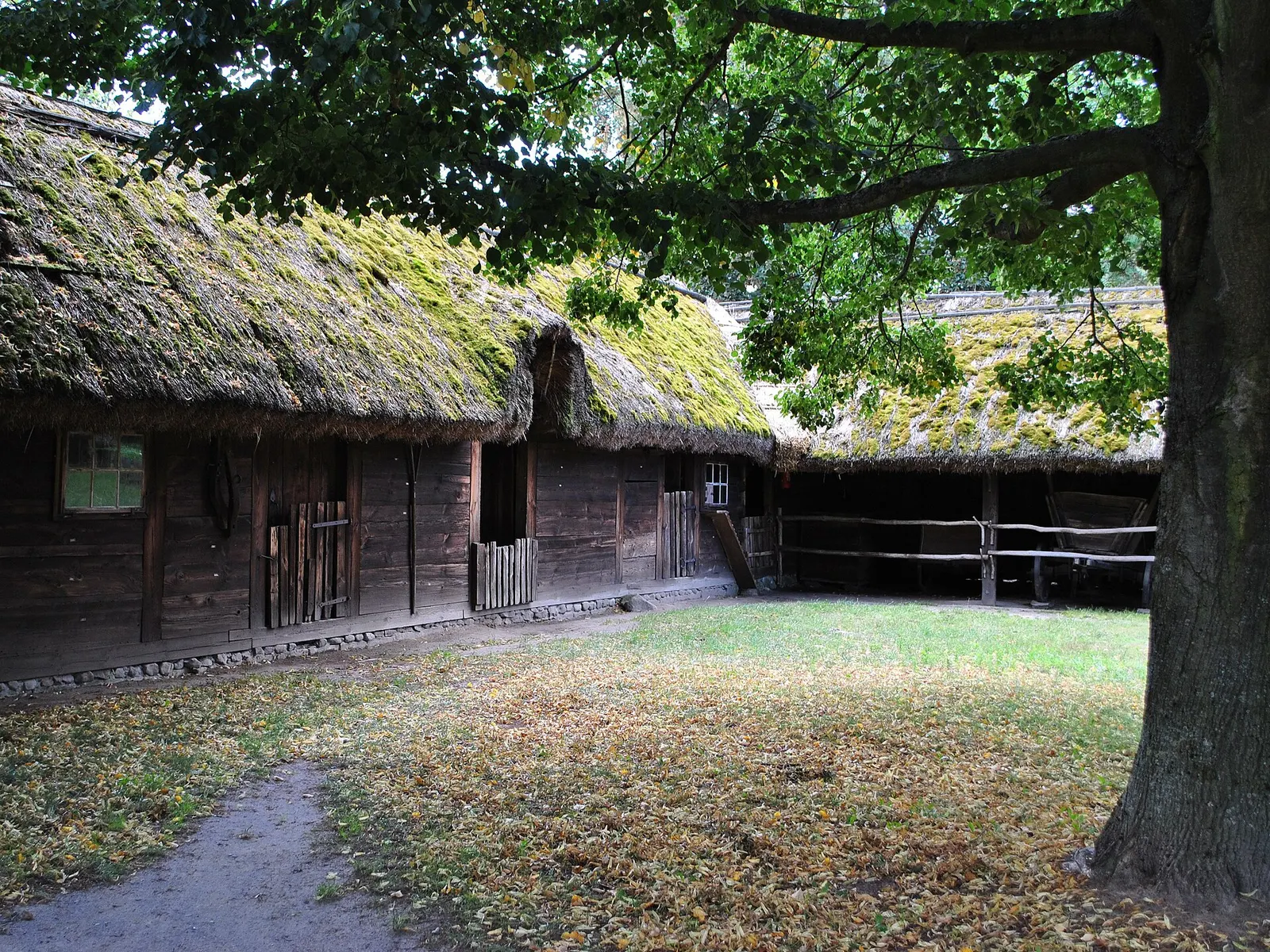
Open air museum in Dziekanowice
↗ 14 km awayOpen air museum in Dziekanowice in gmina Łubowo offers an introduction to the history, culture or heritage of the area. Its displays bring t…
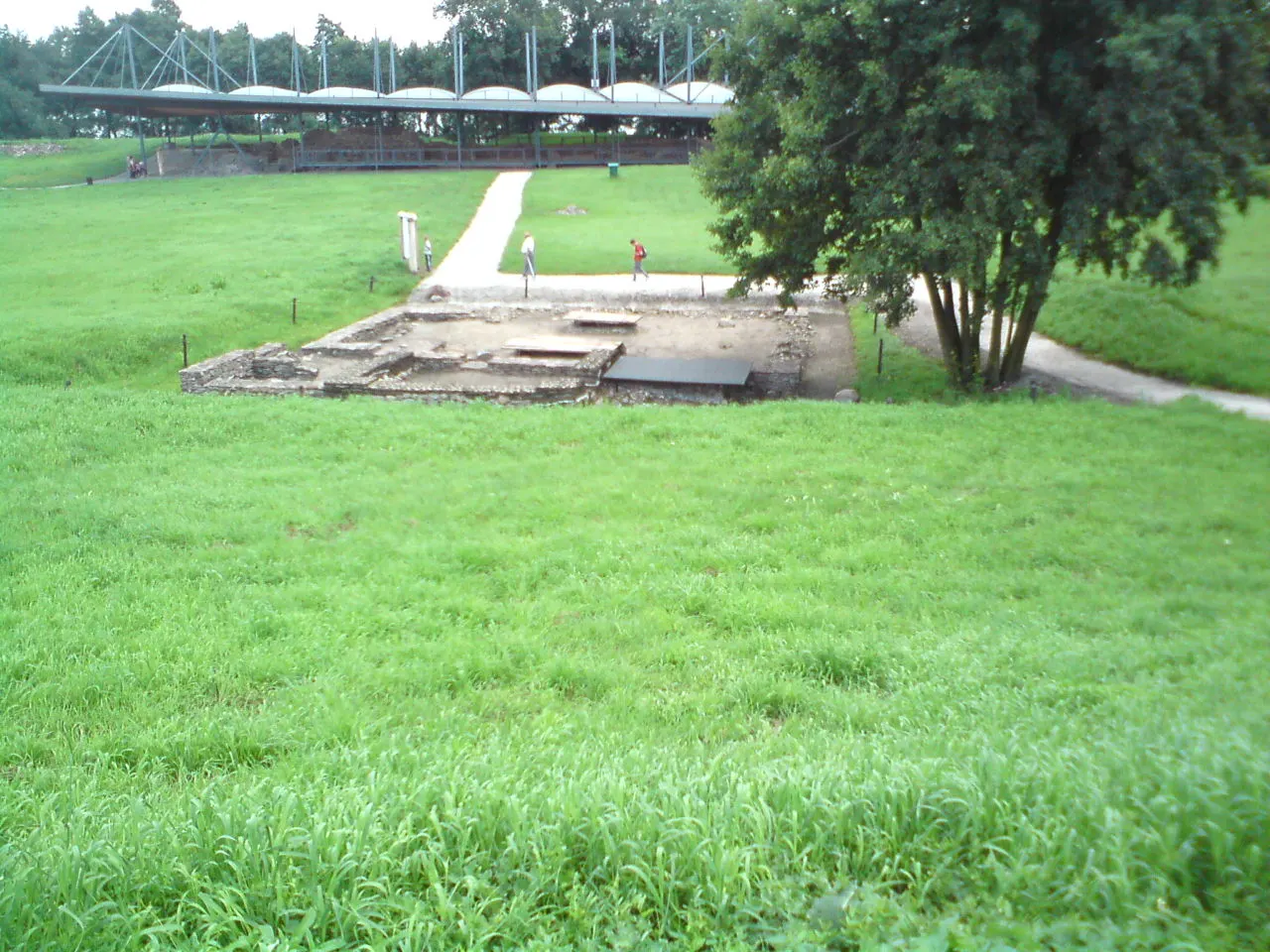
Lednica Landscape Park
↗ 15 km awayA park around Lake Lednica — the heart of the first Piast state. The island of Ostrów with palace ruins, fields and lakes form a landscape w…
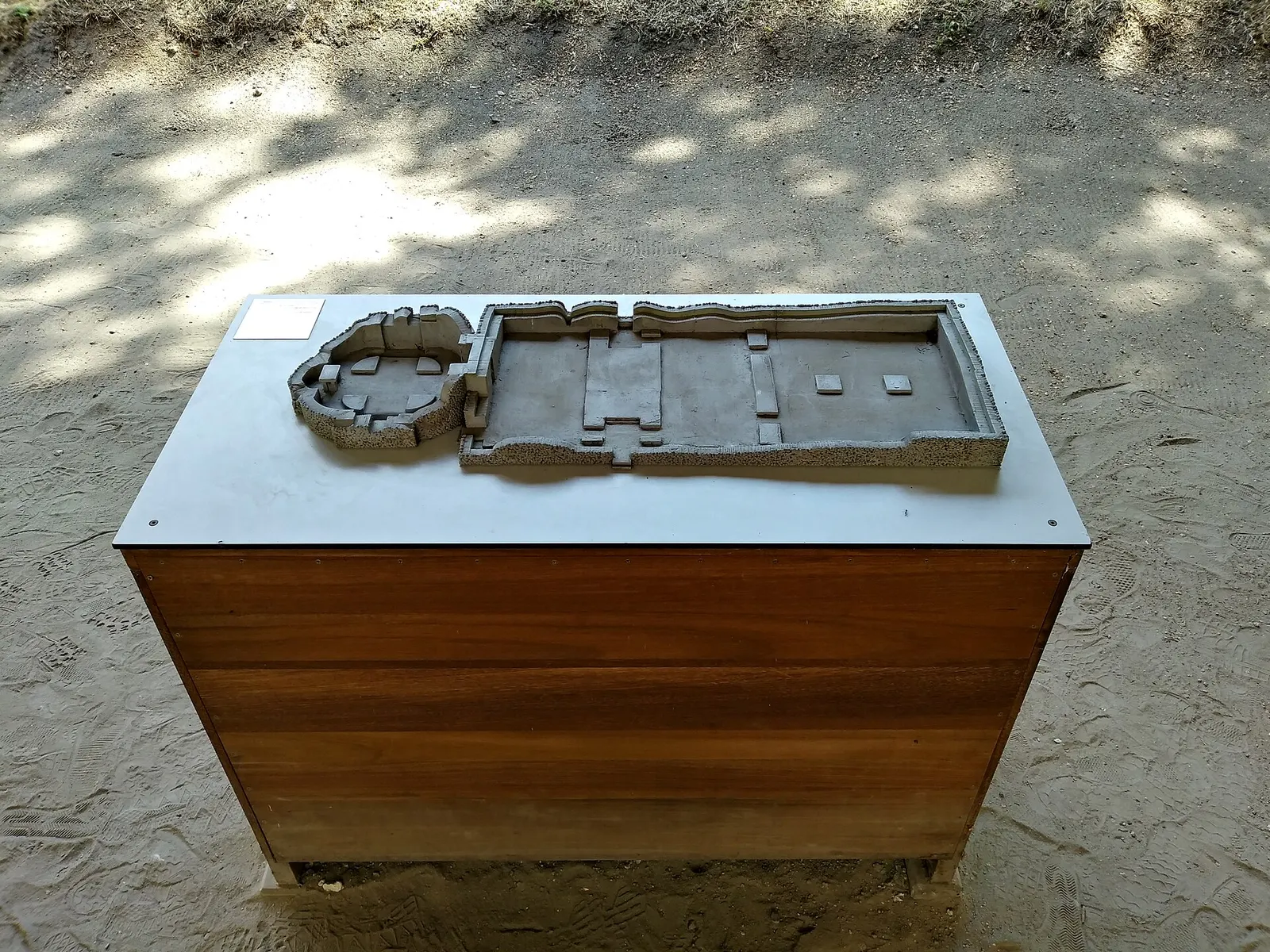
Ostrów Lednicki
↗ 15 km awayOstrów Lednicki in gmina Łubowo is an interesting stop connected with the area’s history, culture or landscape. Include it in a sightseeing …
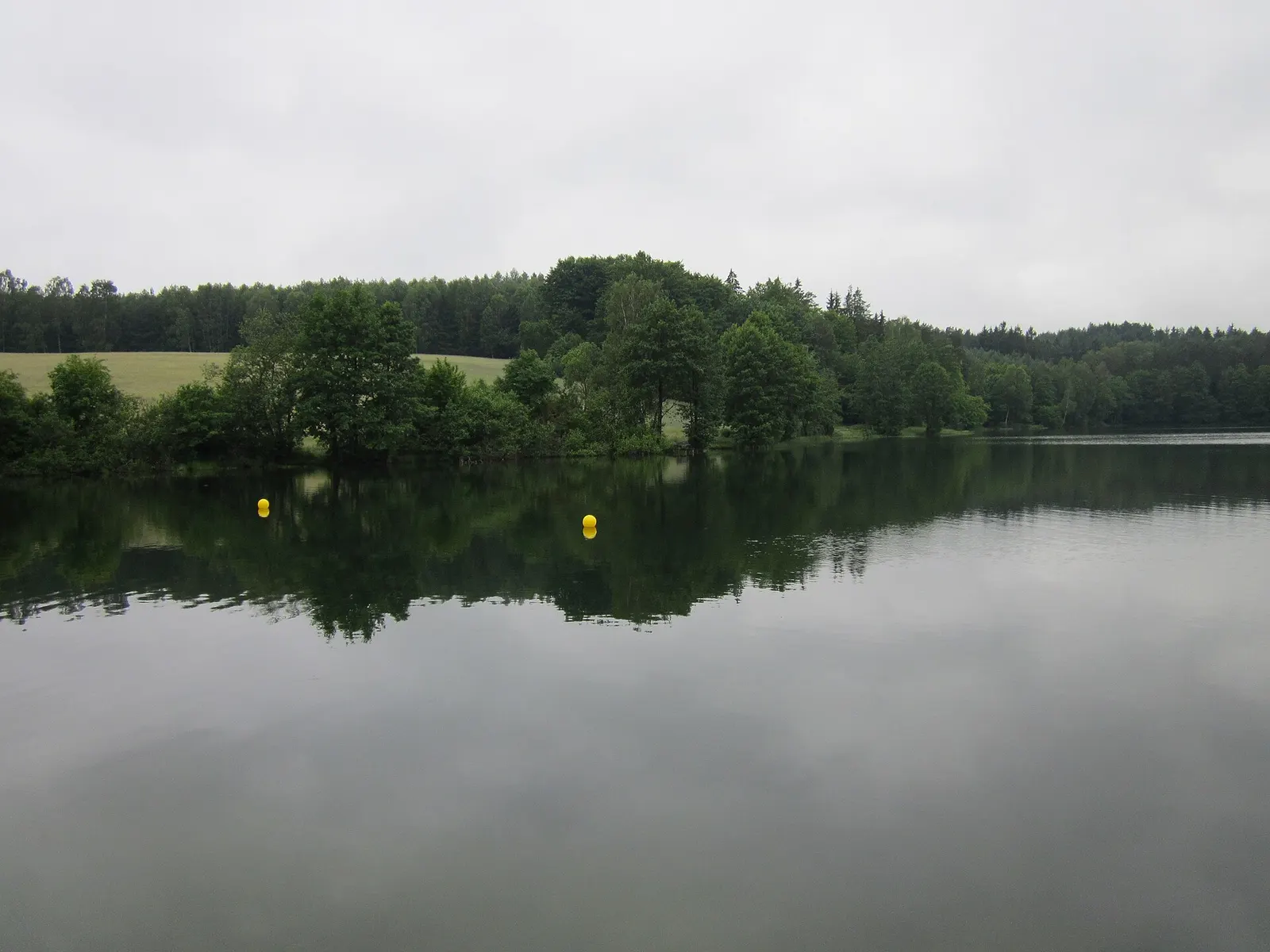
Lednica Landscape Park
↗ 15 km awayLednica Landscape Park in gmina Łubowo is an interesting stop connected with the area’s history, culture or landscape. Include it in a sight…
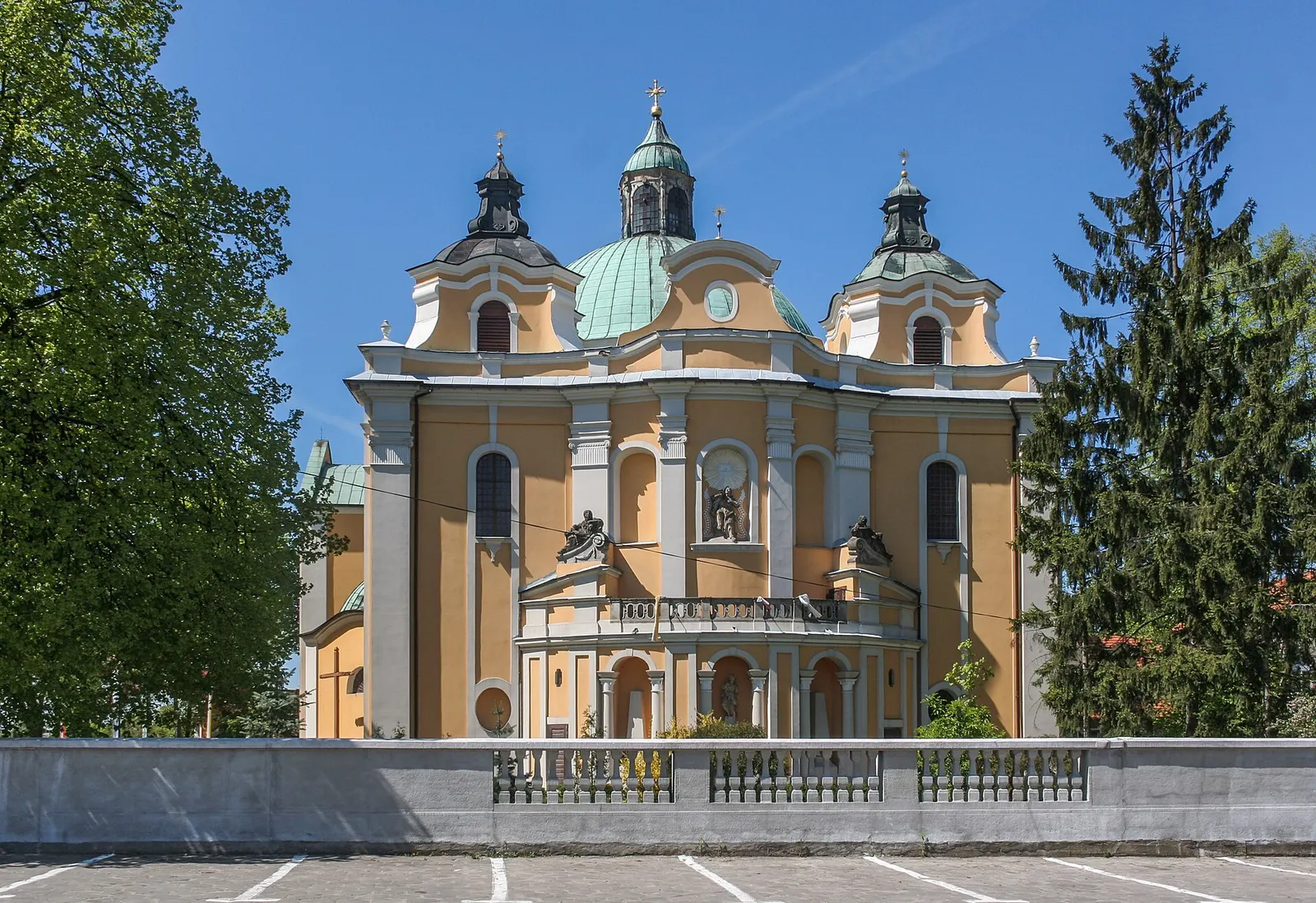
Saint Michael Archangel and Assumption of Mary Basilica in Trzemeszno
↗ 15 km awaySaint Michael Archangel and Assumption of Mary Basilica in Trzemeszno in Trzemeszno is an interesting stop connected with the area’s history…
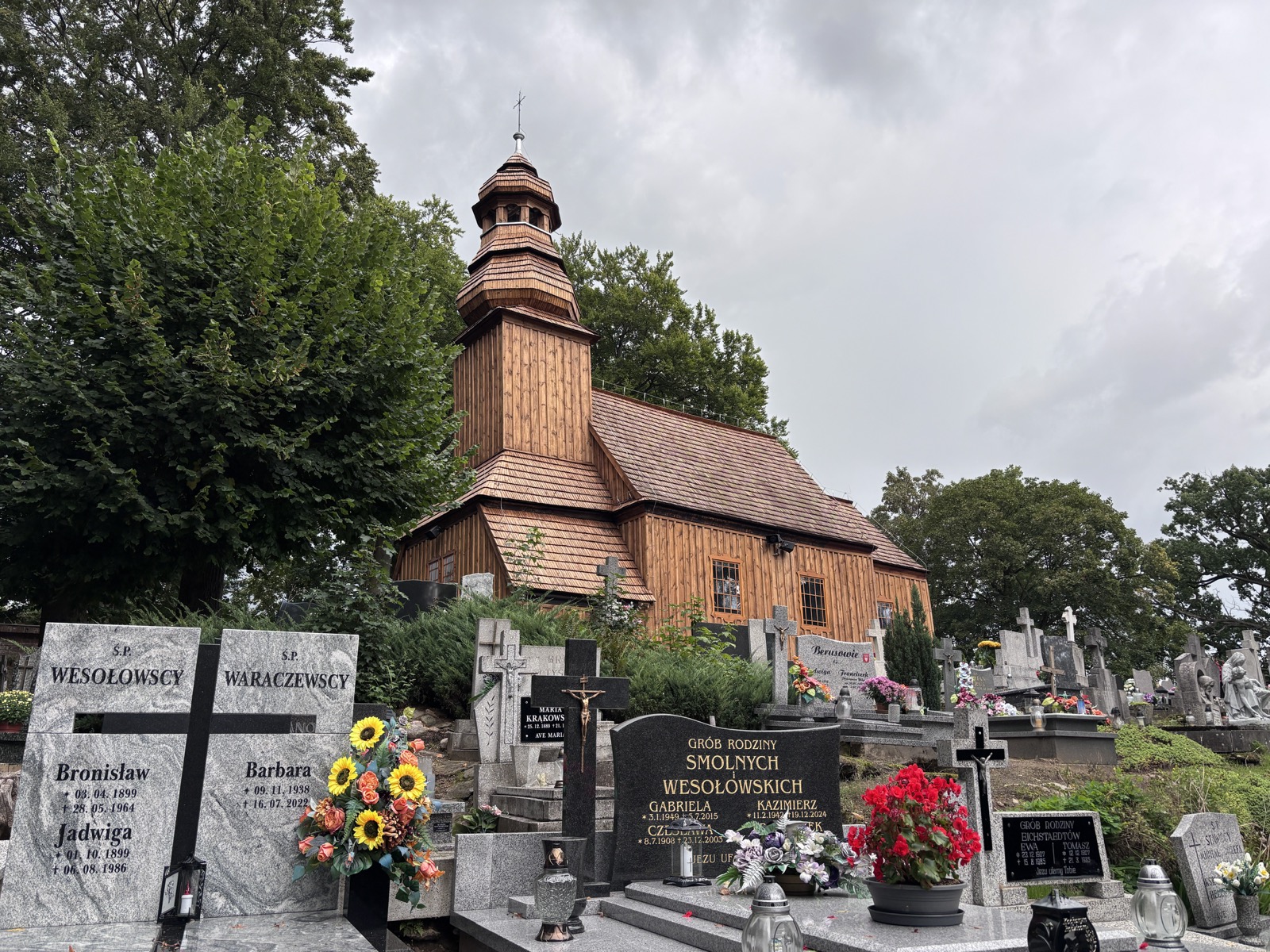
St Rosalia Chapel in Sławno
↗ 16 km awayA small wooden chapel stands on a cemetery hill on the edge of Sławno. According to local tradition, the site was chosen after **St Rosalia …
Map
⚠️ Failed to load the map.
Open the list →