Nadbużański Landscape Park
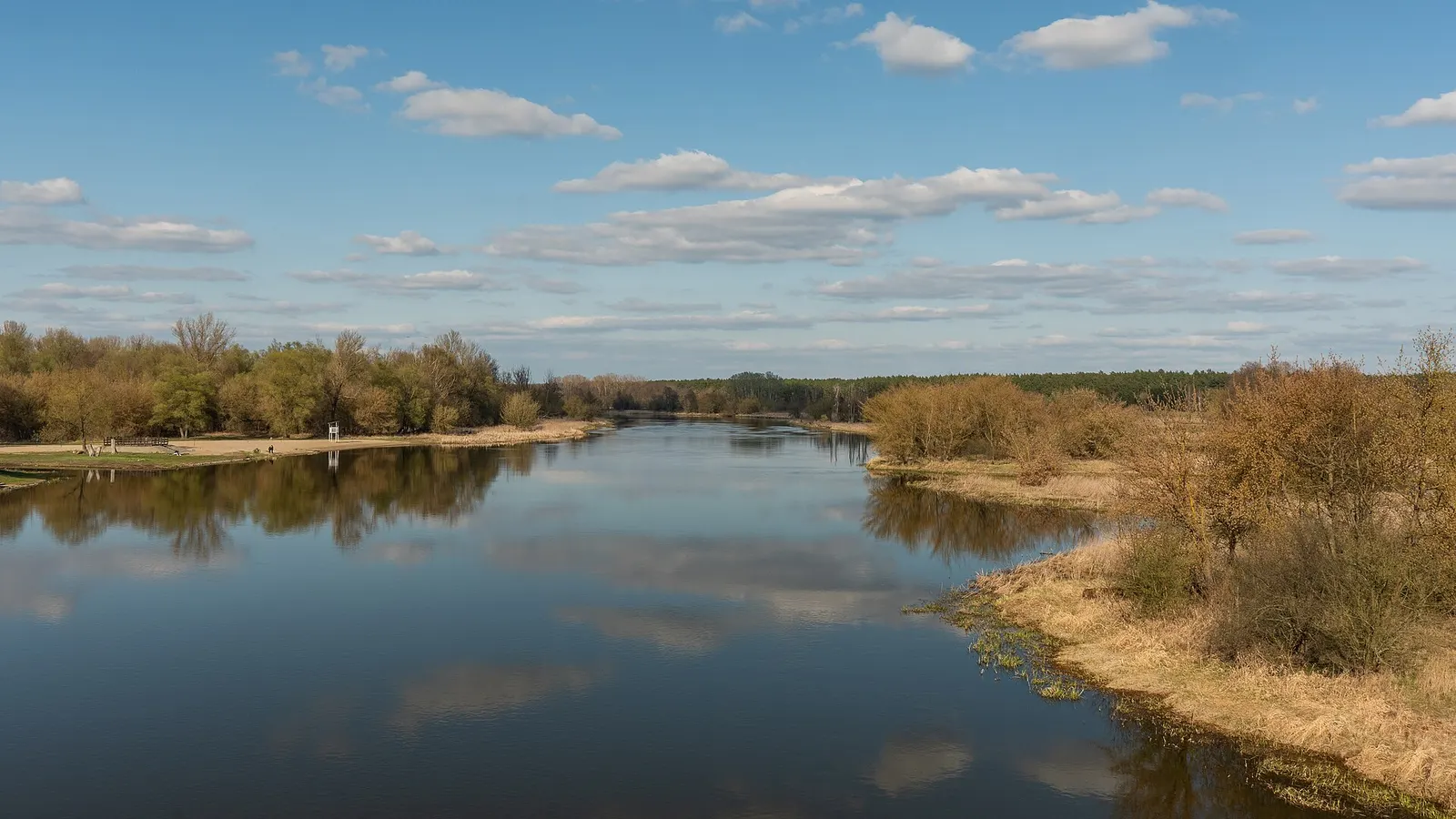
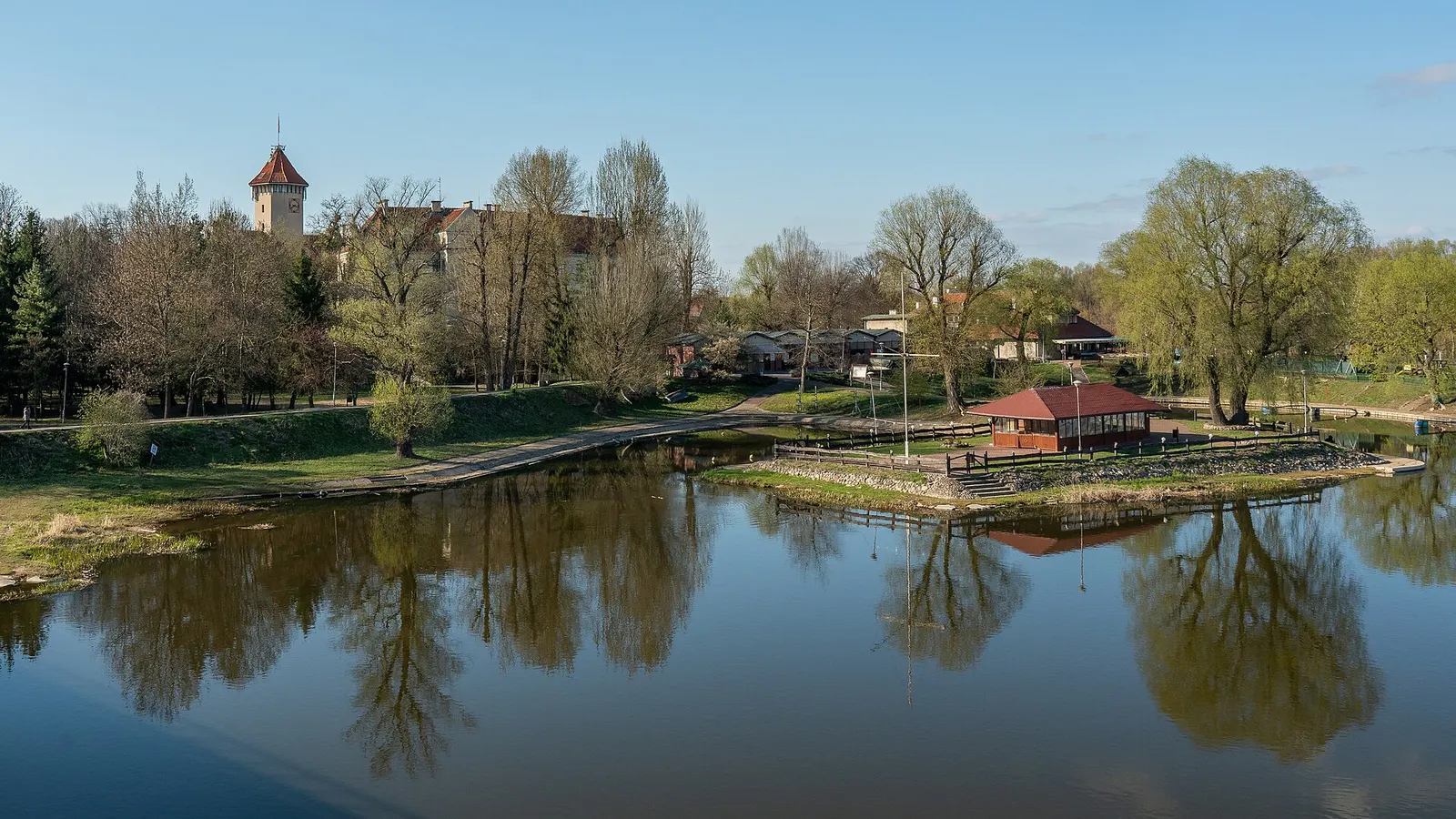
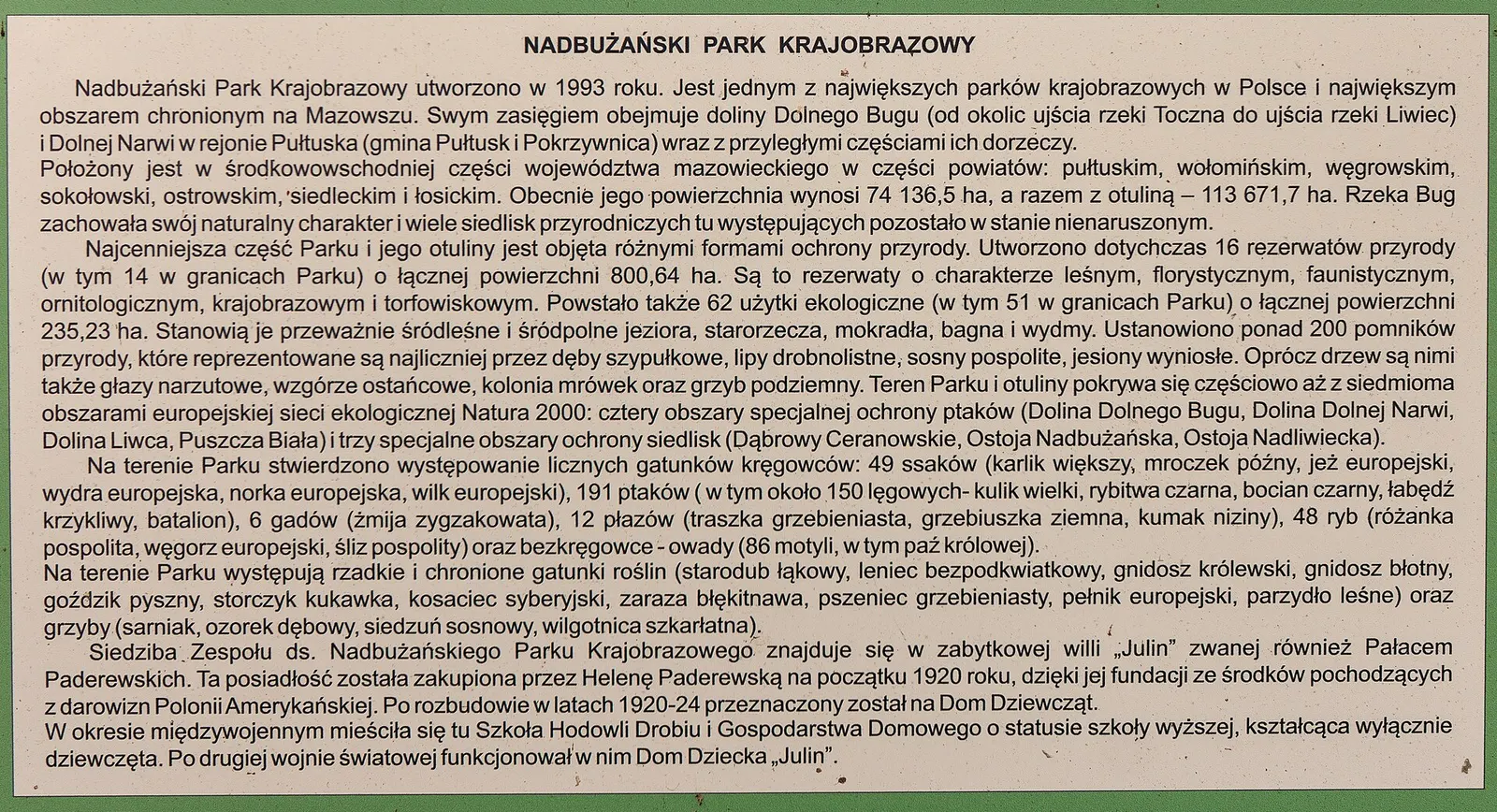
Fot. Januszk57 , CC BY-SA 4.0 , Wikimedia Commons
Why visit?
The Bug is not a river that stays neatly in place. Across the Nadbużański Landscape Park it still bends through broad meanders, cuts into sandy banks, creates islands and sandbars and leaves old channels behind as oxbow lakes. This constantly changing river landscape is the main reason to come here. The park covers **73,732.3 hectares** and protects almost 120 kilometres of the Bug River as well as about 40 kilometres of the lower Narew. Forests, floodplain meadows, peat bogs, inland dunes and old river channels create an unusually varied landscape. This is not a place to visit in one hour. Choose one section, walk slowly and bring binoculars. ## Why is the park special? The park protects one of the most natural large river valleys in this part of Poland. The Bug still forms meanders, oxbows, sandy islands, beaches and eroded riverbanks. Behind the river lies a mosaic of wet meadows, riparian forests, pine woods, peat bogs and dry inland dunes. Forest covers about 36% of the park. The contrast can be striking. On the short Kules Peatbog Trail, for example, visitors can move between a wet peatland and dry sandy dunes during a walk of only 1.6 kilometres. ## History The idea of creating a protected landscape park along the Bug River was proposed by Polish naturalist and travel writer **Lechosław Herz in 1976**. The first part of the park was formally created on 30 September **1993**. Additional sections followed in 1994 and 1998. The original concept was much more ambitious: the proposed park and buffer zone would have covered more than 222,000 hectares. Since 2024 its official name has been **Nadbużański Landscape Park named after Wojciech Bogumił Jastrzębowski**, a Polish botanist, naturalist and educator. ## Wildlife Park inventories have recorded more than **190 bird species**, making birdwatching one of the best reasons to visit. The river valley supports terns, plovers, snipes, corncrakes, kingfishers and sand martins. Cranes, black storks and white-tailed eagles can also be found in the wider landscape. The park is also home to 49 recorded mammal species, including moose, deer, wild boar, beavers and otters. Its plant diversity is equally impressive: surveys have identified around **1,027 species of higher plants** and about 161 plant communities. ## Best places for a first visit ### Kules Peatbog Trail The easiest introduction to the park. The 1.6-kilometre loop near Zieleniec and Sadowne Węgrowskie combines pine forest, peat bog and inland sand dunes. It can also be reached by train via **Sadowne Węgrowskie station**. ### In the Land of Bug River Meadows This 10-kilometre walking and cycling trail starts at **Wywłoka**. The route crosses open meadows, wetlands and oxbow lakes. A section on the flood embankment provides wide views across the Bug valley. Cars can be left near the start of the trail. ### Jerzyska – Szumin Another 10-kilometre route, this time combining the forests near Jerzyska with an impressive sandy river bank near Szumin. It is a particularly good choice if you want to experience both the forest and the river during one trip. ### Track of the Moose A roughly 16-kilometre trail through the Kamieniecka Forest in Stoczek municipality. Information panels explain how to recognise moose tracks, behaviour and habitat. ## What to look for Look for old river channels separated from the main Bug, sandy bars emerging from the river, steep nesting banks used by kingfishers and sand martins, traditional pollarded willows, beaver signs and inland dunes. Above all, pay attention to the landscape itself. The river is constantly reshaping it. ## Practical information **Admission:** free. **Opening hours:** there are no general opening hours for the landscape park. **Recommended time:** at least half a day; a full day is much better. **Best way to explore:** walking, cycling and kayaking. **Train:** the Kules Peatbog Trail is easily accessible from Sadowne Węgrowskie railway station. **Cycling:** many routes use unsurfaced and sandy roads, so a trekking or gravel bike is usually more comfortable than a road bike. **Kayaking:** the Bug is a natural river with variable depth, current, sandbanks and islands. Conditions should always be checked before a trip. **Suggested equipment:** walking shoes, binoculars, drinking water, sun protection and insect repellent. ## Tripto tip Do not try to cross the entire park in one day. For a first visit, concentrate on the **Łochów–Szumin–Wywłoka** area and add the short Kules Peatbog Trail if you have enough time. The combination gives you the best introduction to what makes the park special: the Bug River, wet meadows, forest, peat bog and inland dunes. ## More places for a first visit ### Kałęczyńskie Lakes The route starts at Huta Gruszczyno and leads towards small forest lakes and the Moczydło nature reserve. The basic route is about 9 km and is best suited to birdwatchers and visitors looking for a quiet walk. Some sections are sandy for cyclists. ### Korczew and the eastern part of the park Korczew is a good choice when you want to combine nature with history. The palace and park complex, nearby reserves and viewpoints around Laskowice and Bużyska make this a different kind of park visit. ## When to go Spring is excellent for birds, floodplains and flowering meadows, although high water can make some areas wet. Late May and June are good for orchids and other plants. Summer suits long cycling trips and kayaking, while autumn is ideal for the Kamieniecka Forest and landscape photography. The park remains interesting in winter, when waterbirds and wintering species are easier to notice. ## Practical details The landscape park has no single entrance or general opening hours. Admission is free, but each trail and reserve may have its own signs and access rules. A car makes it much easier to move between sections. Families can start with the short Kules Peatbog Trail, while visitors with reduced mobility should check the surface of a specific route: many paths are sandy, natural or seasonally wet. Dogs must follow the rules posted at the trail or reserve. Bring sturdy shoes, binoculars, water, sun protection and insect repellent. ### Park headquarters – Kaliska The park headquarters are at Kaliska 93 near Łochów, in a historic manor associated with Helena and Ignacy Jan Paderewski. Seasonal open days may take place on Sundays from 11:00 to 17:00, but the current notice should be checked before travelling. The “Lower Liwiec Valley” nature trail starts nearby. ## A ready-made first day **Morning:** the 1.6 km Kules Peatbog loop through forest, dunes and peatland. **Late morning:** travel towards Łochów and Kaliska; visit the park headquarters if they are open. **Afternoon:** Jerzyska–Szumin or the full In the Land of Bug River Meadows trail. **Evening:** the Bug around Wywłóka or Szumin, when low light brings out the banks, willows and river bends. ## Combine your visit with * Korczew Palace * Liw Castle * Łochów Palace * Sadowne and the Kules Peatbog Trail * Treblinka Memorial Site * Pułtusk and the Narew valley
What you’ll see
- meandry, starorzecza i piaszczyste łachy Bugu
- torfowisko i Wydmy Zielenieckie
- łąki zalewowe i nadrzeczne skarpy
- ponad 190 gatunków ptaków
- ścieżki piesze, rowerowe i kajakowy Bug
GetYourGuide
Recommended tours and tickets
Discover recommended experiences, tickets and tours you can book online.
Affiliate link — we may earn a commission from bookings.
Nearby attractions
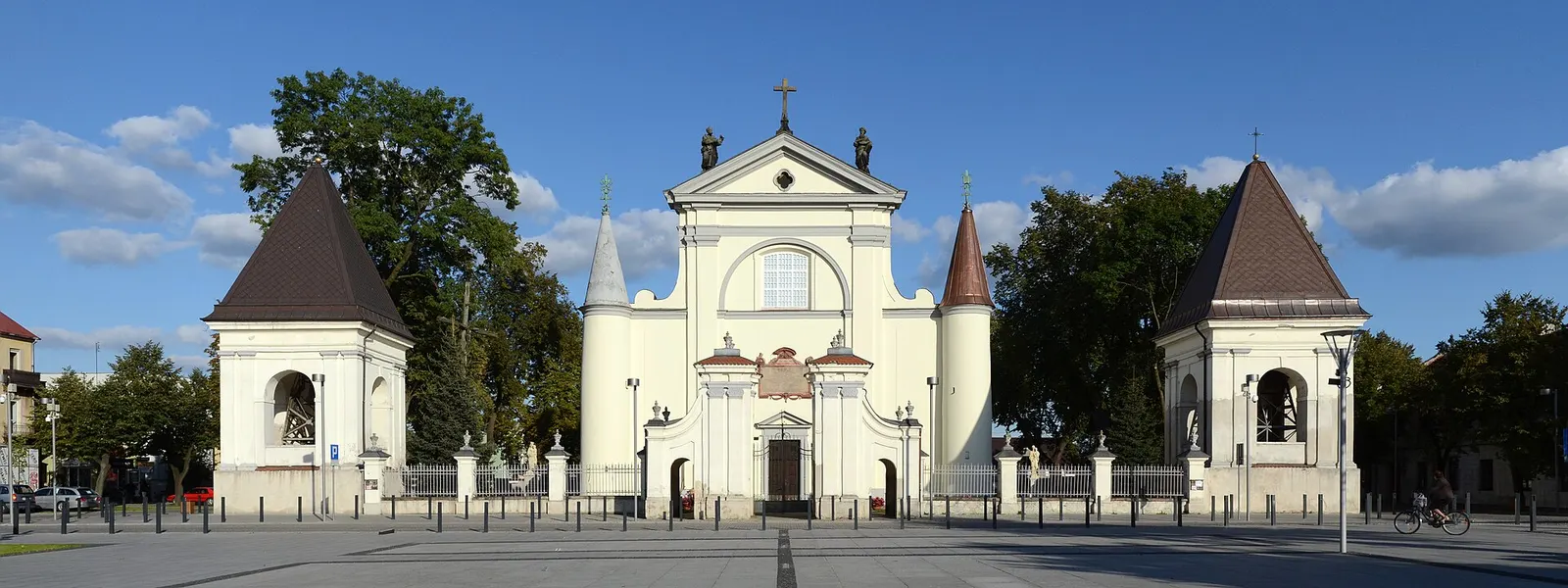
Basilica of the Assumption in Węgrów
↗ 20 km awayBasilica of the Assumption in Węgrów in Węgrów is an interesting stop connected with the area’s history, culture or landscape. Include it in…
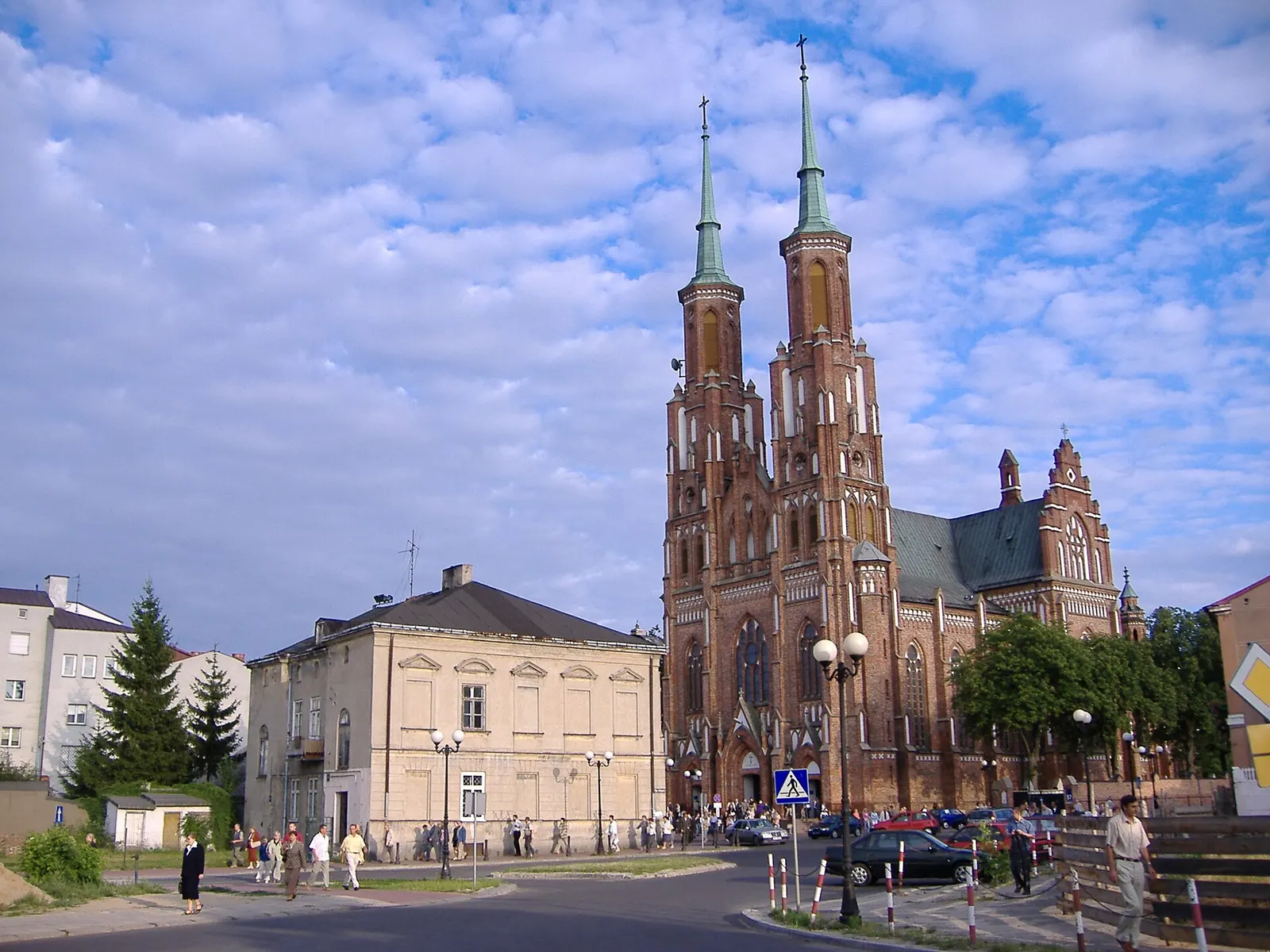
Siedlce Cathedral
↗ 50 km awaySiedlce Cathedral in Siedlce is an interesting stop connected with the area’s history, culture or landscape. Include it in a sightseeing pla…
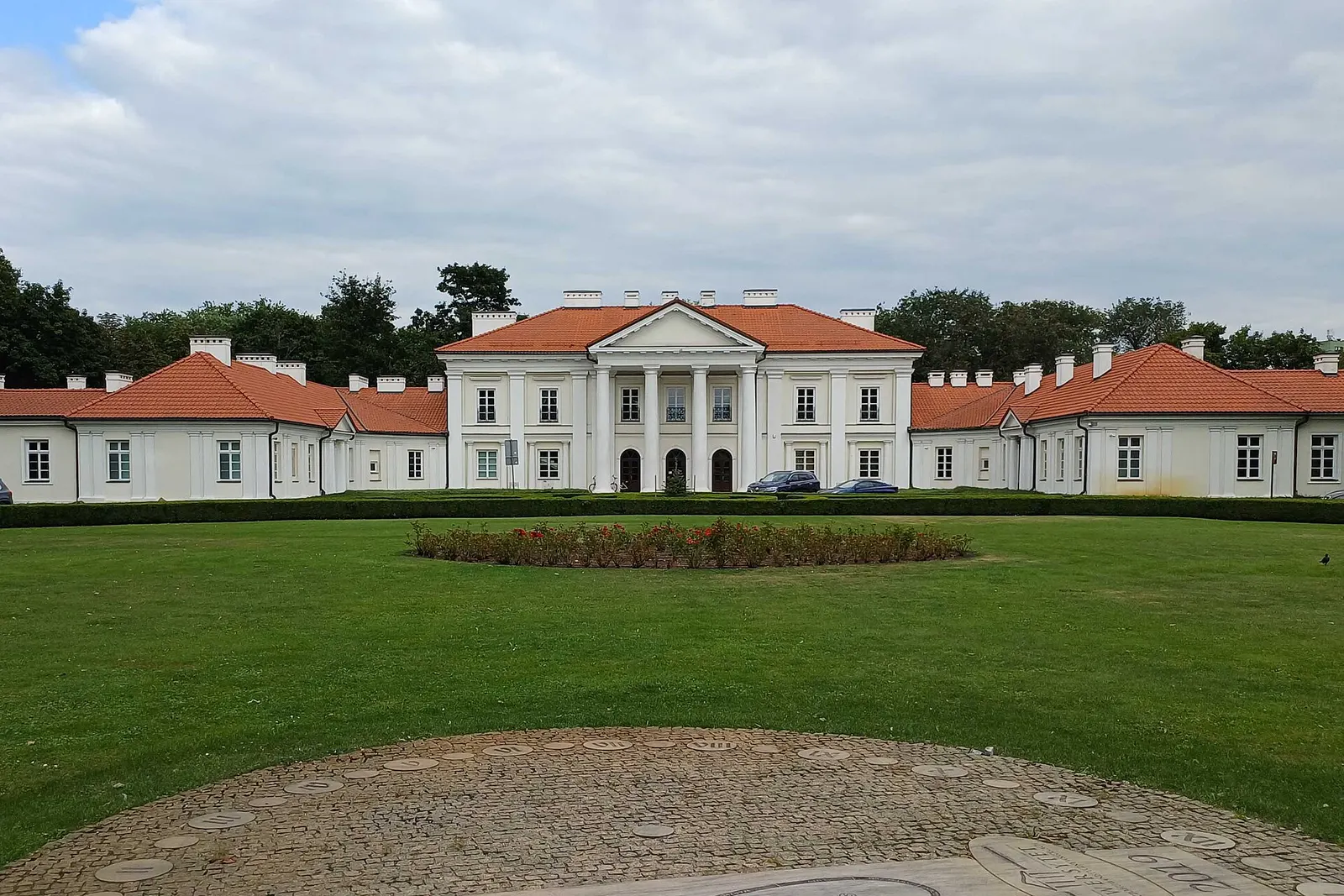
Ogiński Palace in Siedlce
↗ 51 km awayOgiński Palace in Siedlce is a Classicist residence set in a historic park. The former aristocratic estate now belongs to the University of …
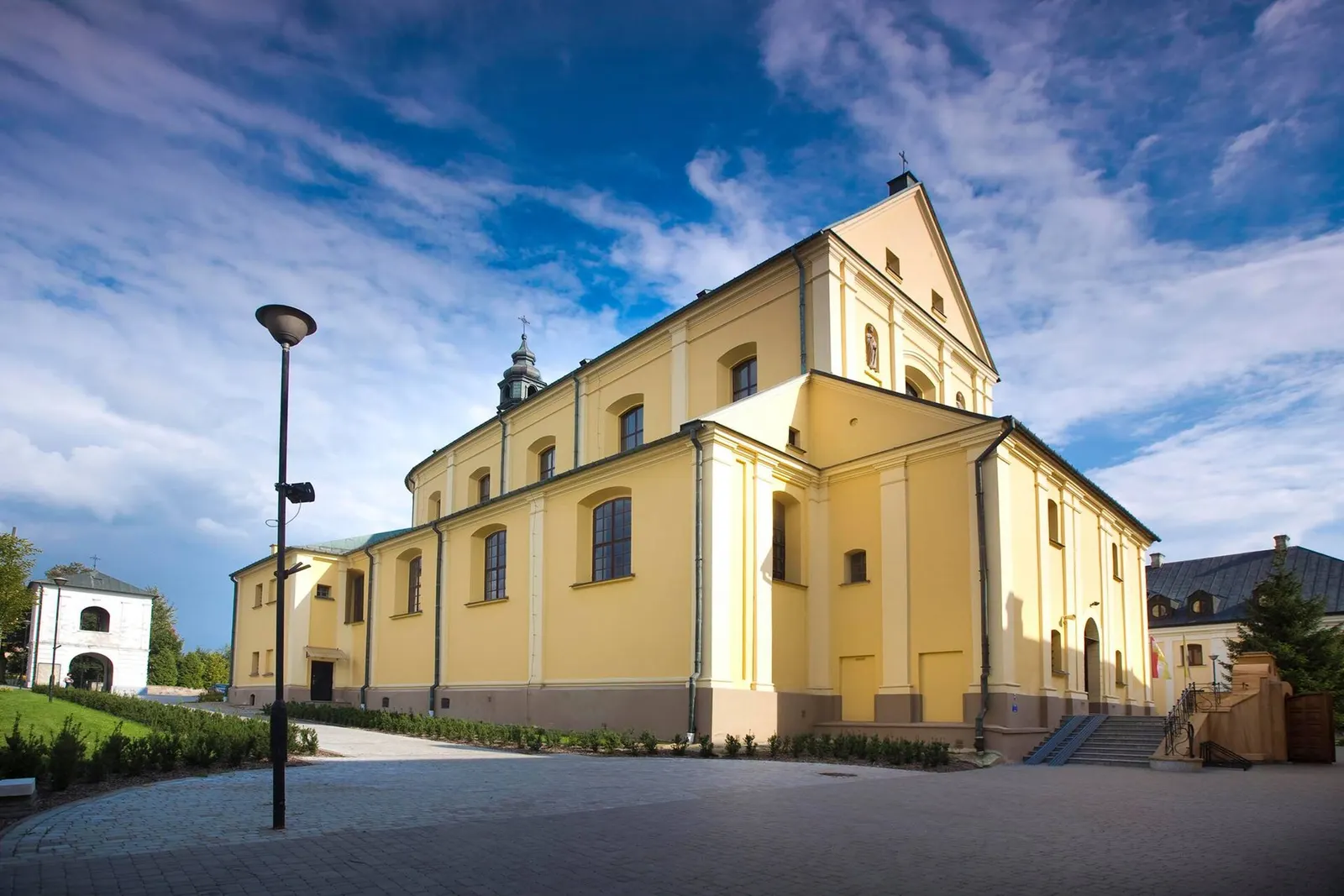
Drohiczyn Cathedral
↗ 53 km awayDrohiczyn Cathedral in Drohiczyn is an interesting stop connected with the area’s history, culture or landscape. Include it in a sightseeing…
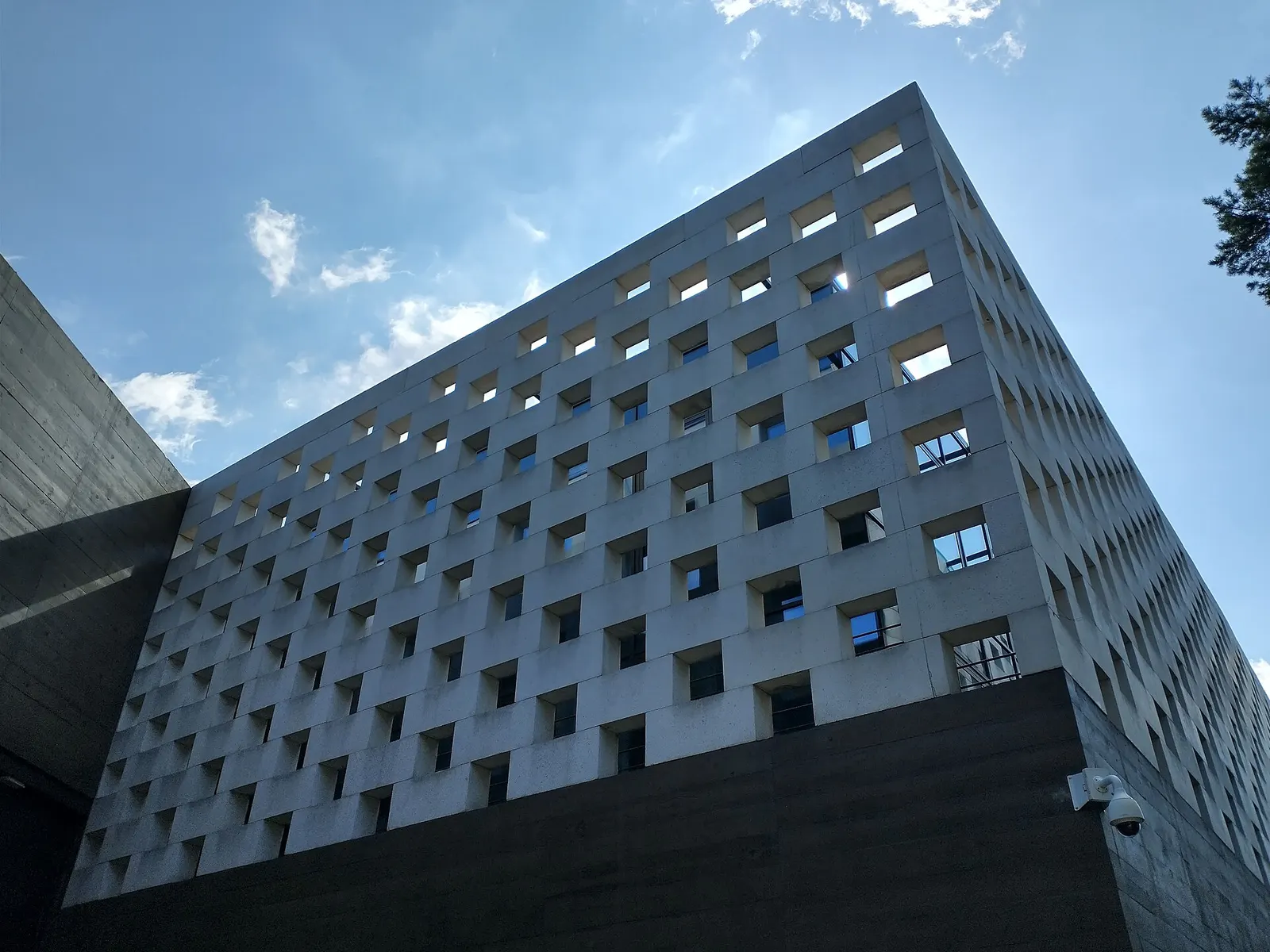
Józef Piłsudski Museum in Sulejówek
↗ 58 km awayJózef Piłsudski Museum in Sulejówek in Sulejówek offers an introduction to the history, culture or heritage of the area. Its displays bring …
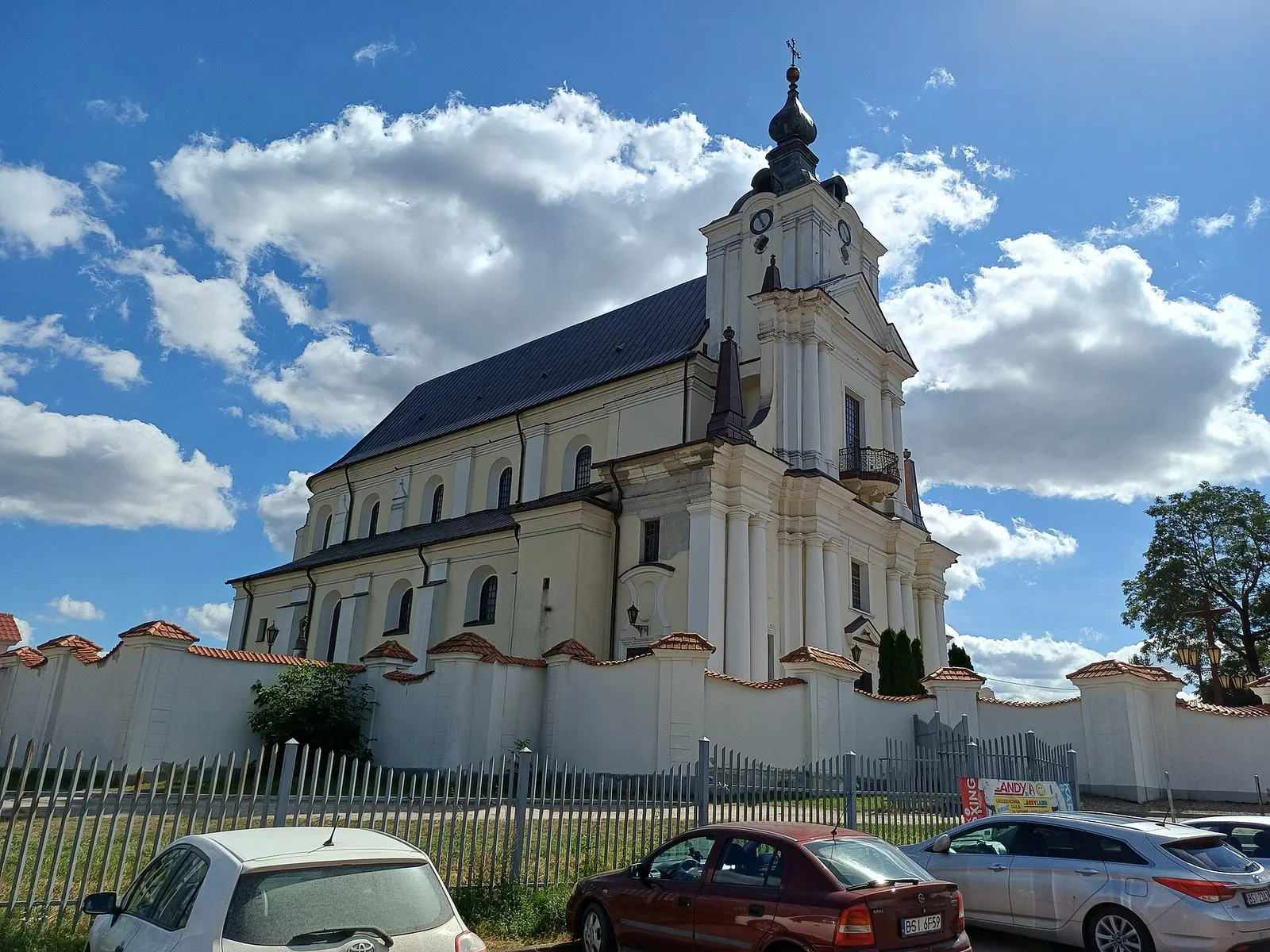
Church of the Assumption of Virgin Mary in Siemiatycze
↗ 65 km awayChurch of the Assumption of Virgin Mary in Siemiatycze in Siemiatycze is an interesting stop connected with the area’s history, culture or l…
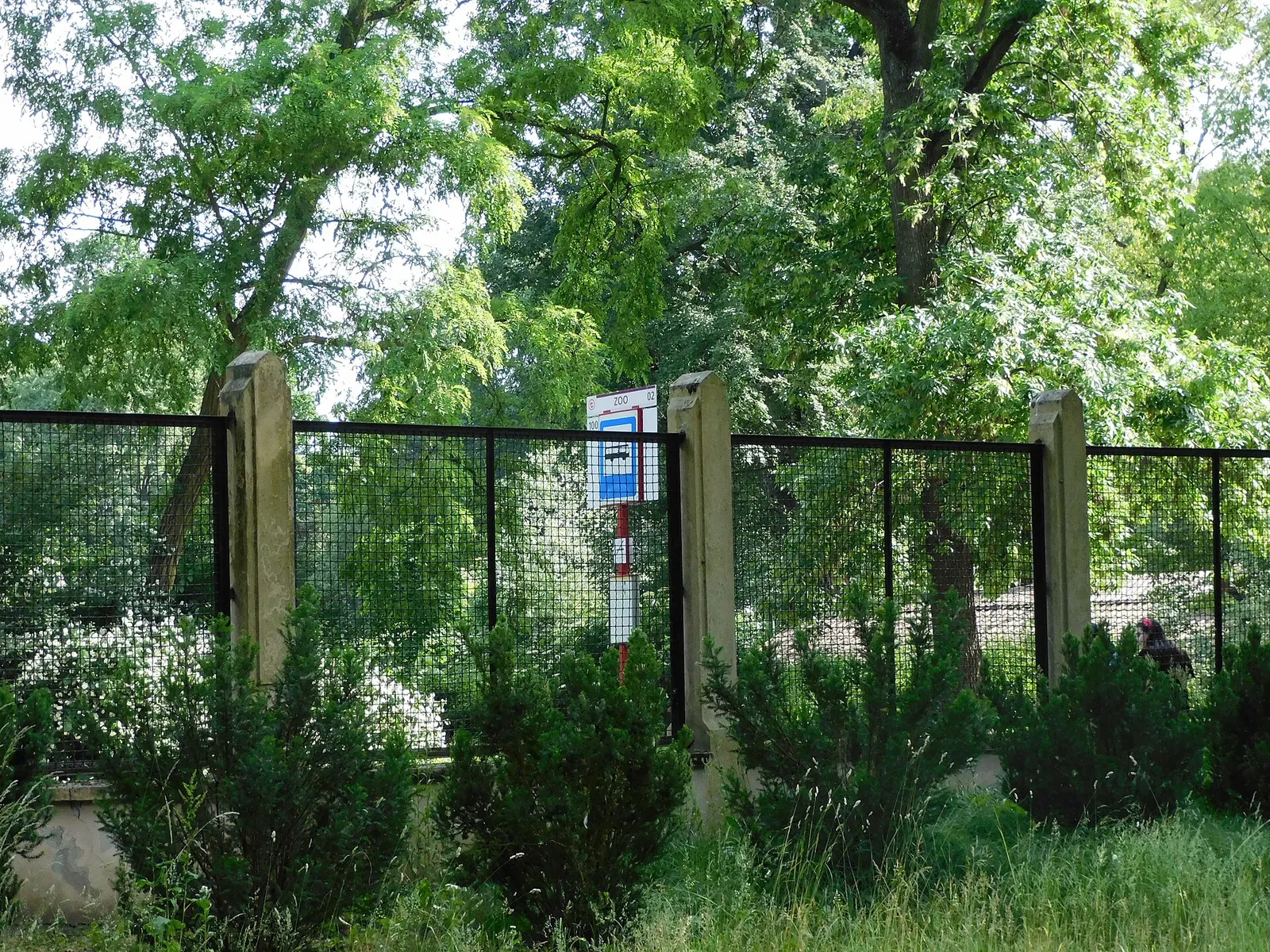
Warsaw Zoo
↗ 71 km awayWarsaw Zoo in Warszawa is a family attraction focused on animals and conservation. The route combines enclosures with educational areas and …
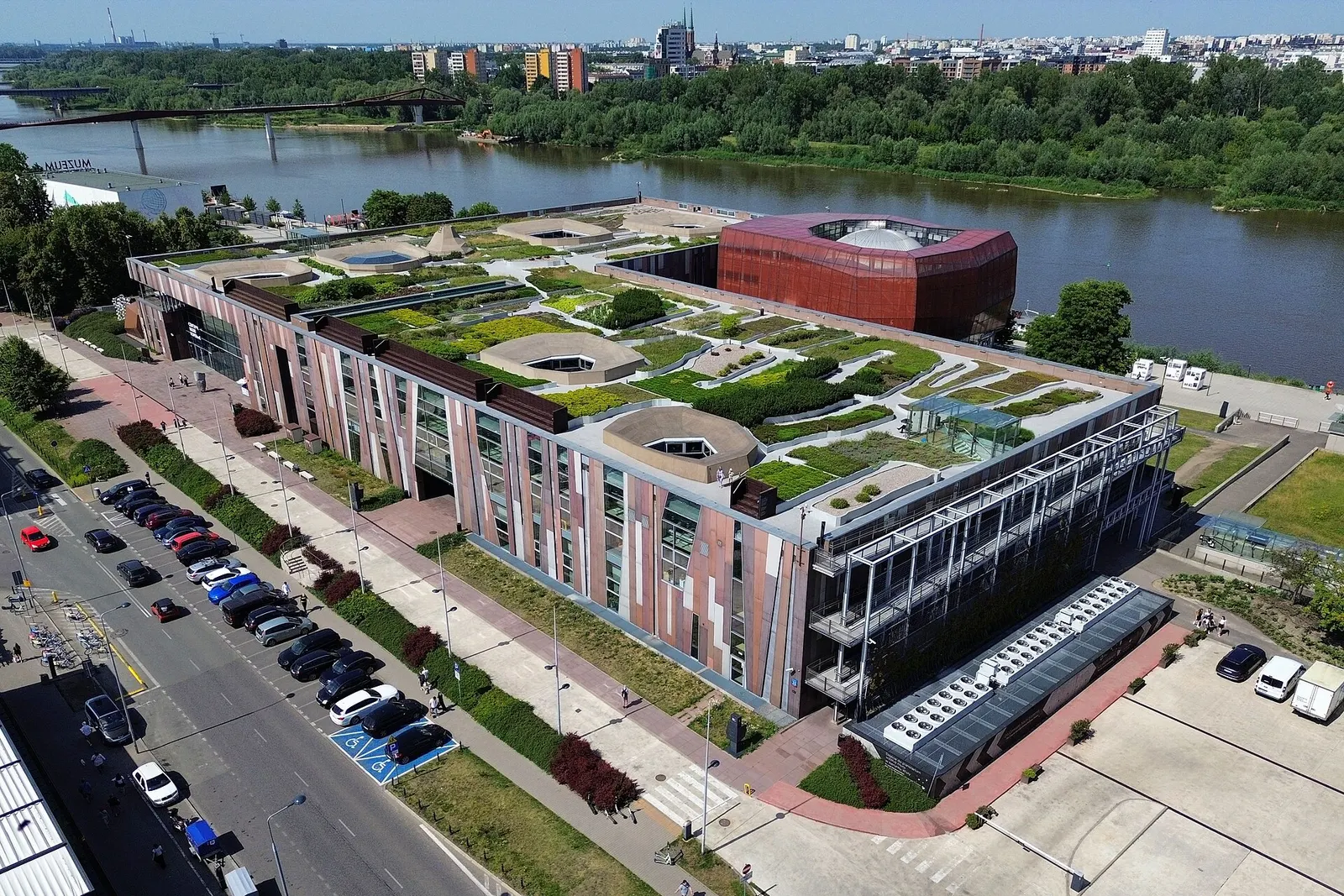
Copernicus Science Centre
↗ 71 km awayCopernicus Science Centre on the Vistula is built around testing phenomena rather than looking at them behind glass. Interactive galleries, …
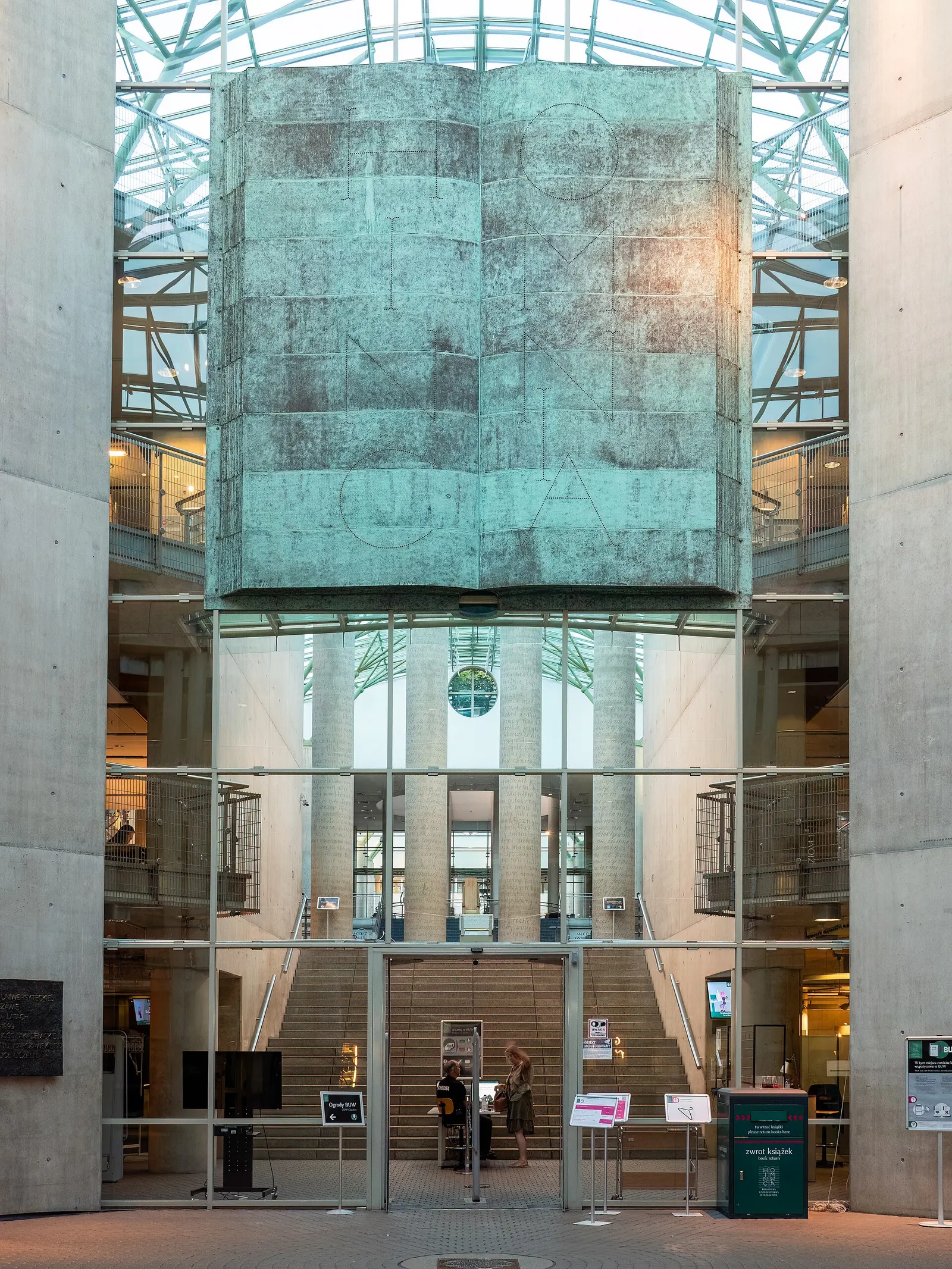
Warsaw University Library
↗ 72 km awayWarsaw University Library in Warszawa is an interesting stop connected with the area’s history, culture or landscape. Include it in a sights…
Map
⚠️ Failed to load the map.
Open the list →