Drawa National Park
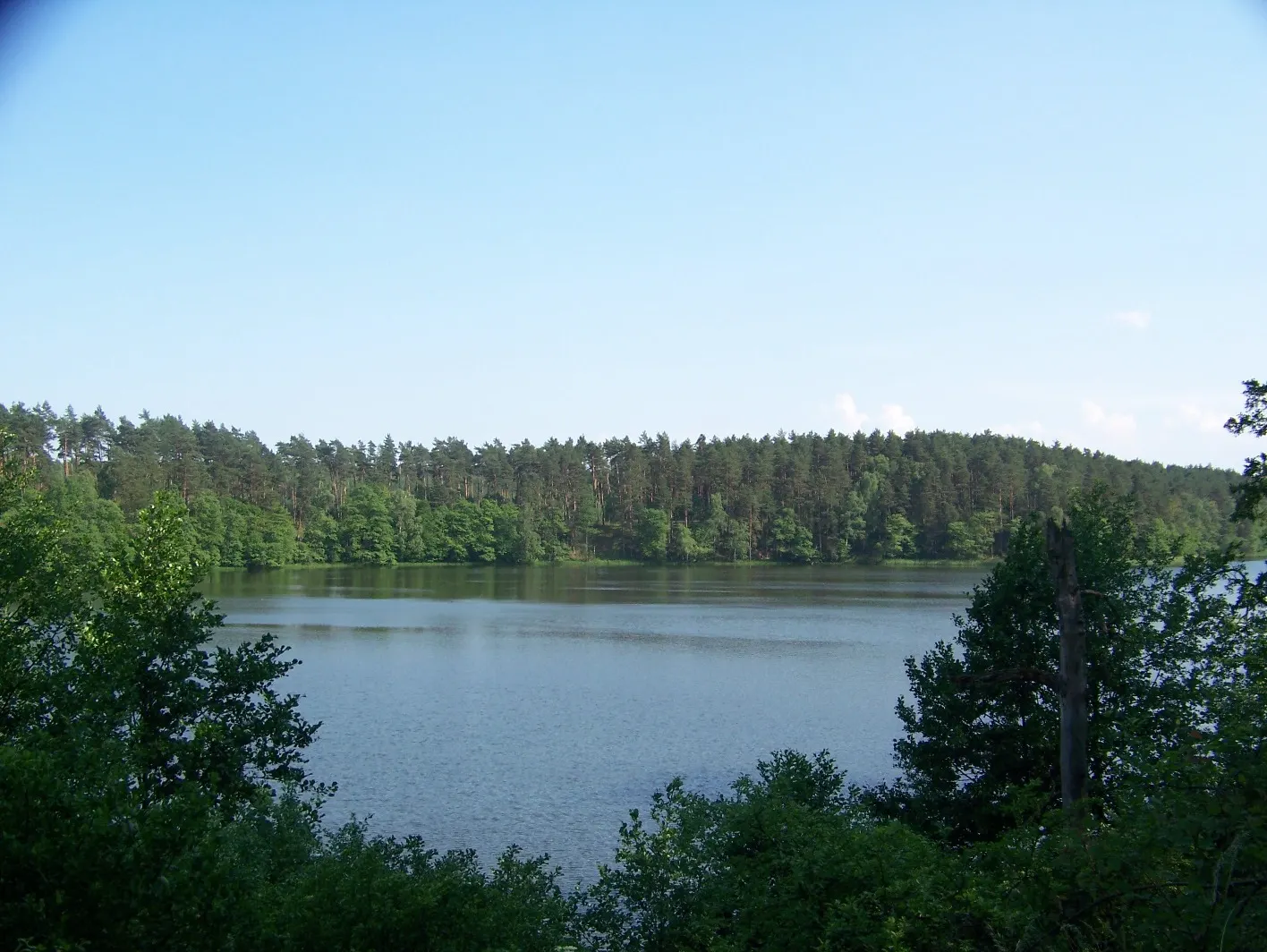
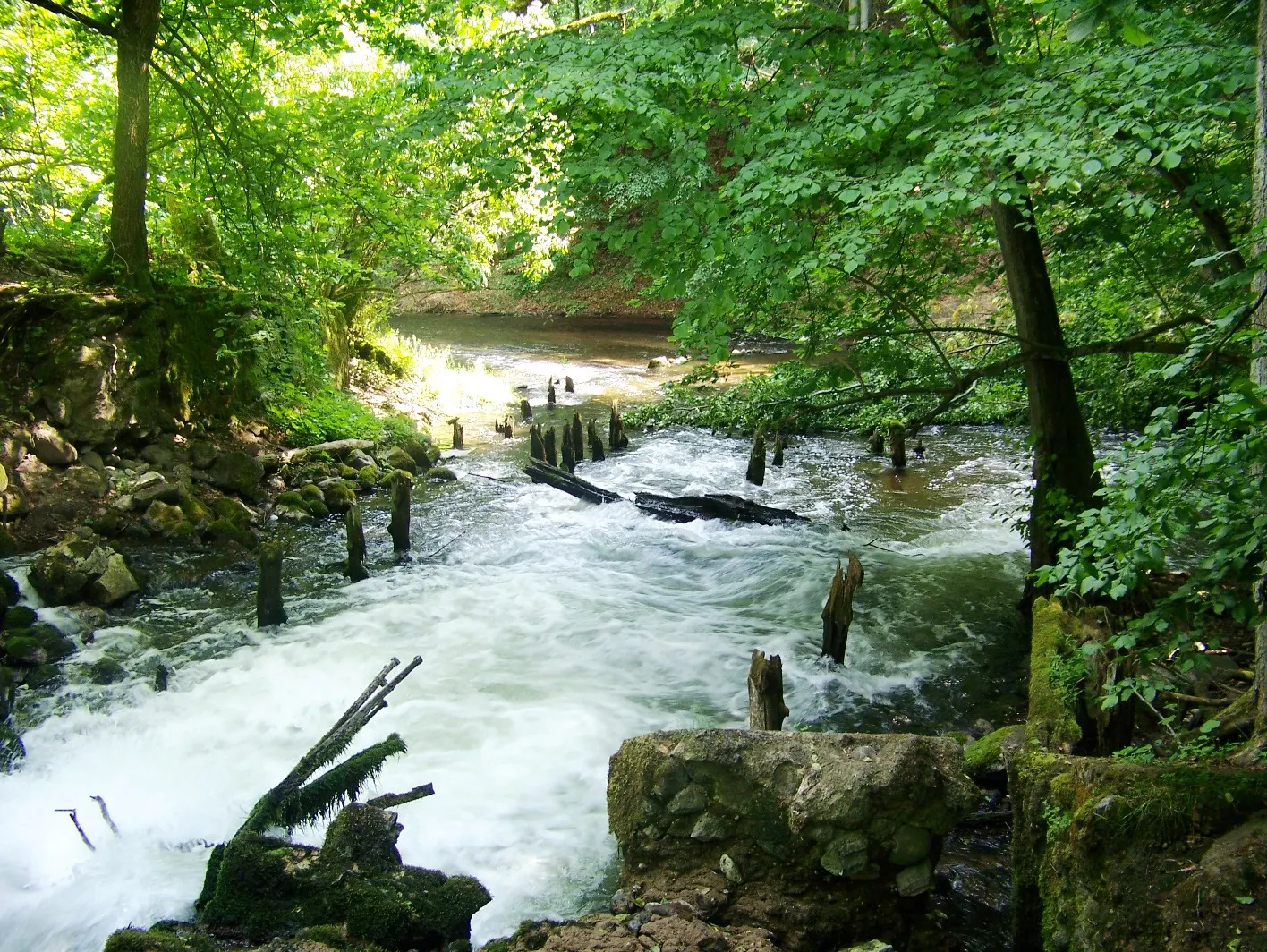
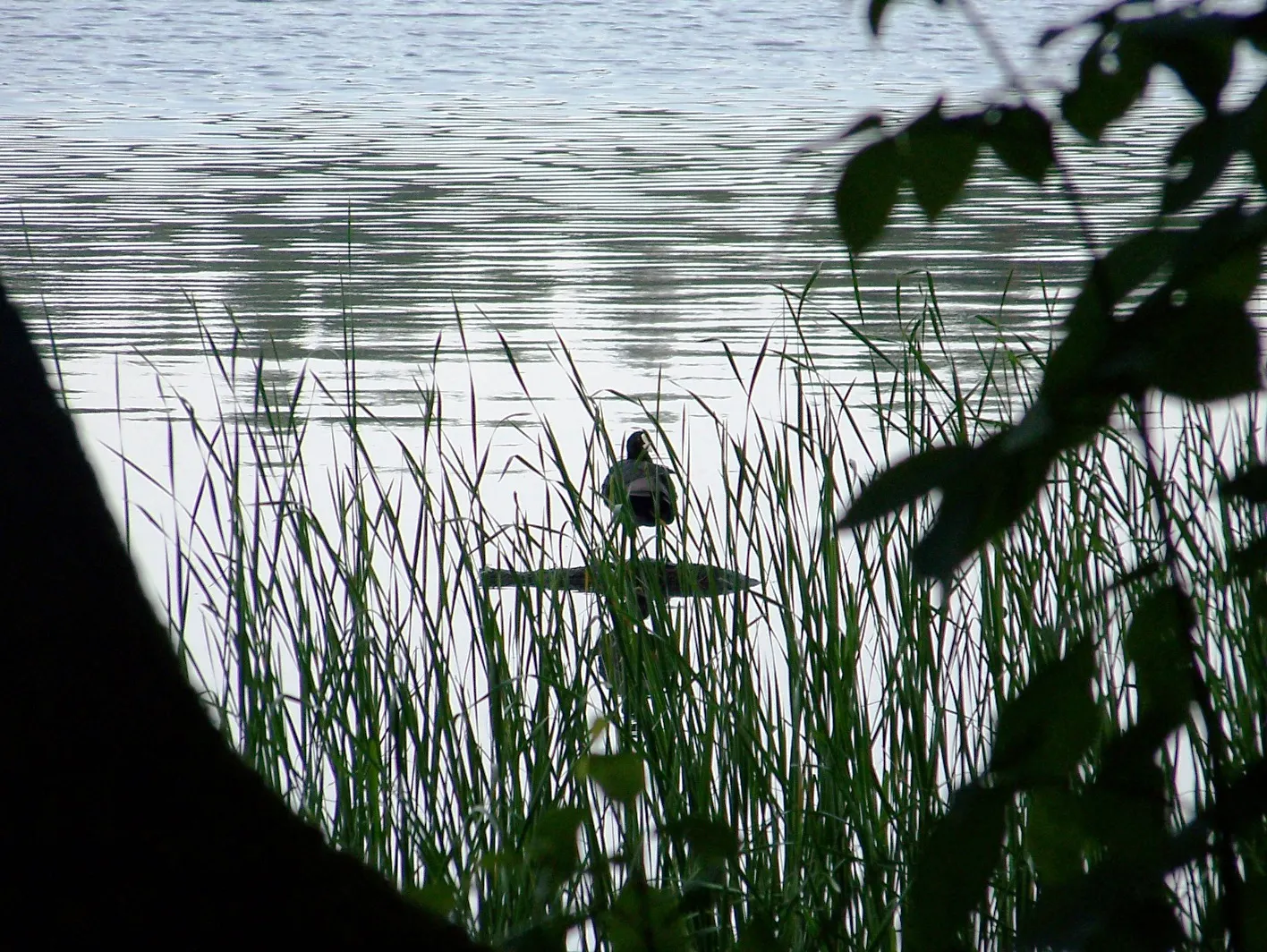
Fot. NH2501 , CC BY 2.5 , Wikimedia Commons
Why visit?
Drawa National Park, established on 1 May 1990 on the border of the West Pomeranian, Lubusz and Greater Poland voivodeships, protects the heart of the Drawa Forest — 115 km2 of woods, lakes and clean rivers on the Drawa Plain. Forests cover as much as 83 percent of the area, mostly beech and oak-beech stands, and the park's symbol is the otter, which thrives here: waters — the Drawa and Płociczna rivers plus 20 lakes — take up about a tenth of its surface. Above all, this is a kayaking destination. The Drawa route through the park is considered one of the most pleasant day trips in western Poland: the river meanders among forested hills, quickening over rapids here and there. Anglers come for sea trout and brown trout, ichthyologists appreciate the bullhead, and along the trails you will spot the traces of beavers and otters. Among the lakes the largest, Ostrowite, and Czarnka, regarded as unique in Poland, stand out; the flora list features the northern bog laurel, sundews and the service tree. Practical tips: this is one of the quietest national parks in the country — only about 27 thousand people visit annually, half of them by kayak. The base is the village of Drawno on national road 22, and paddling through the park takes from half a day to two days. The kayaking season runs from May to September; camping is allowed only in designated spots, worth checking before you set off.
What you’ll see
- Spływ kajakowy Drawą przez park — klasyk zachodniej Polski
- 20 jezior, w tym największe Ostrowite i unikatowe Czarnka
- Buczyny i lasy dębowo-bukowe na 83% powierzchni
- Wydra — symbol parku, z trocią i pstrągiem w rzece
- Zaledwie ok. 27 tys. odwiedzających rocznie
GetYourGuide
Recommended tours and tickets
Discover recommended experiences, tickets and tours you can book online.
Affiliate link — we may earn a commission from bookings.
Nearby attractions
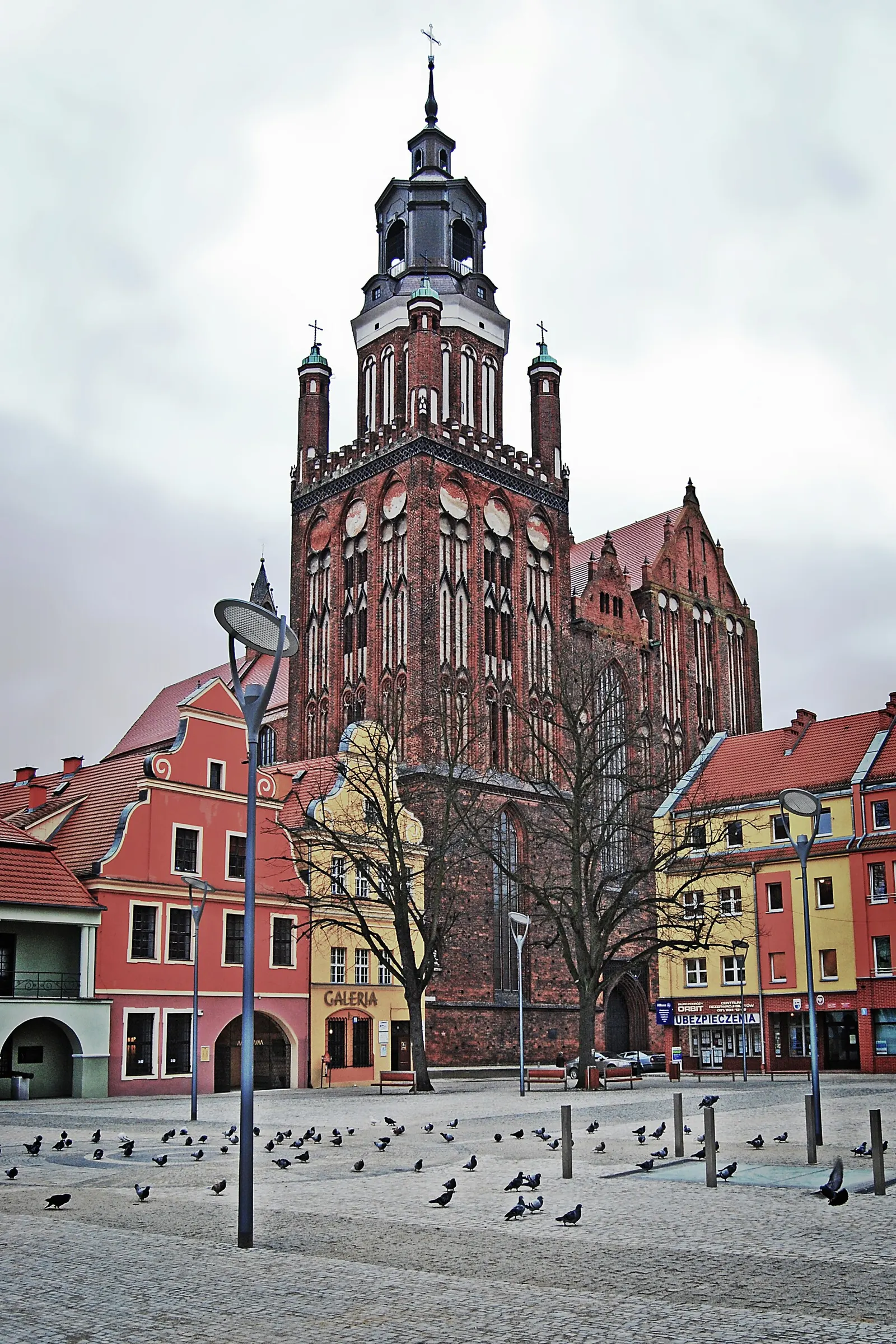
St. Mary's Church, Stargard
↗ 68 km awaySt. Mary's Church, Stargard in Stargard is an interesting stop connected with the area’s history, culture or landscape. Include it in a sigh…
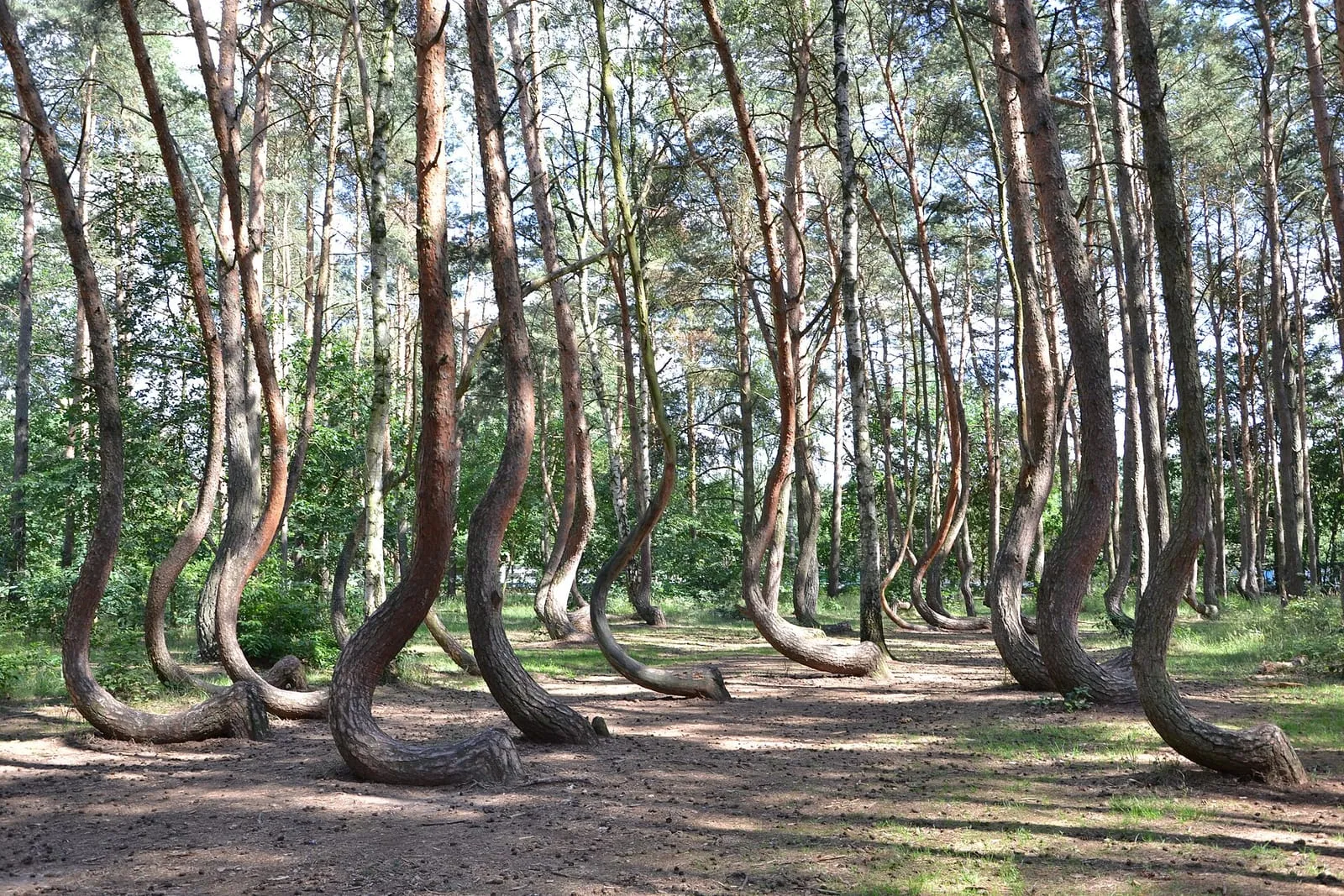
Krzywy Las koło Gryfina
↗ 93 km awayKrzywy Las koło Gryfina in regionie is an interesting stop connected with the area’s history, culture or landscape. Include it in a sightsee…
Fort Winiary
↗ 96 km awayFort Winiary in Poznań is an interesting stop connected with the area’s history, culture or landscape. Include it in a sightseeing plan and …
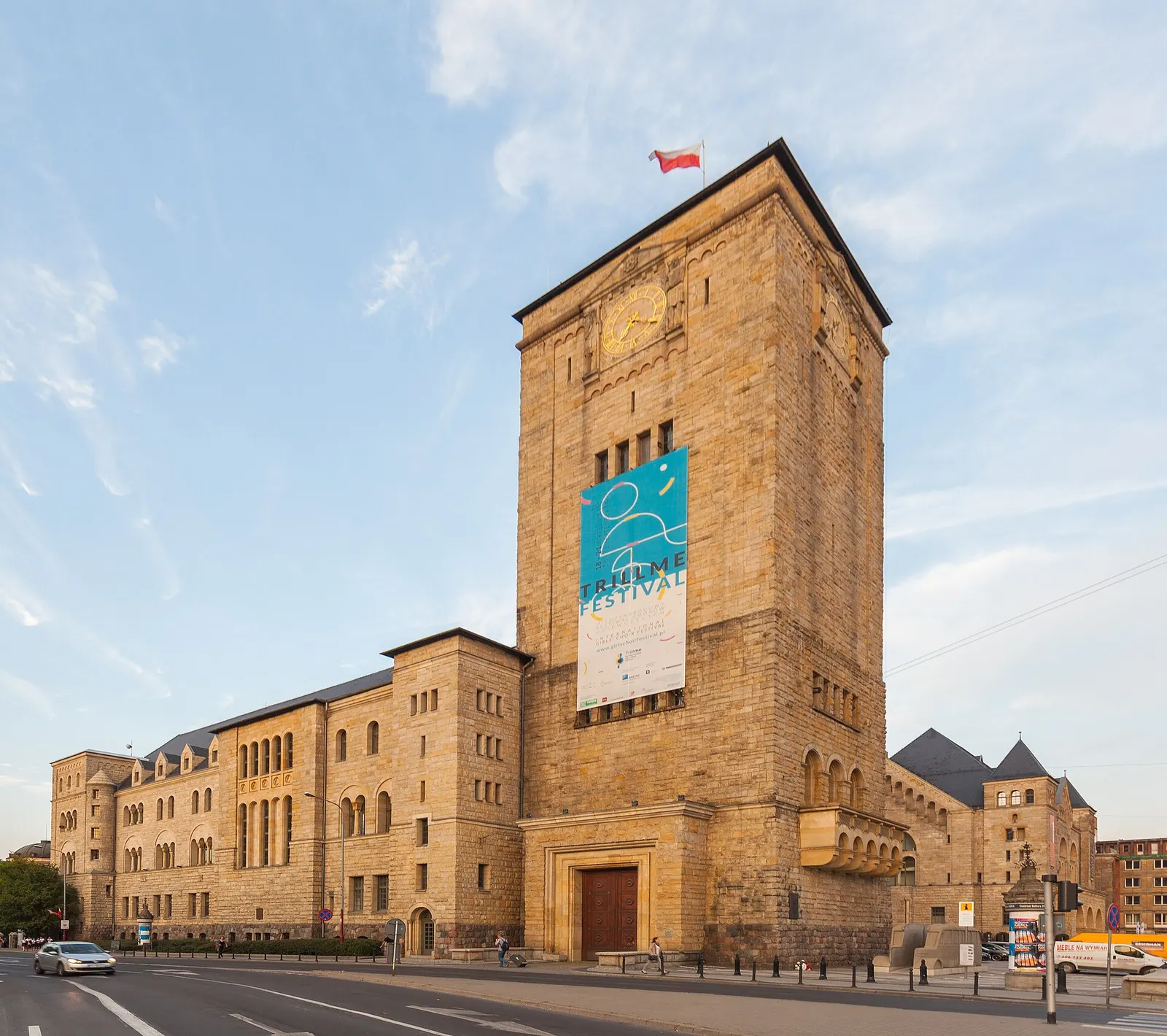
Imperial Castle in Poznań
↗ 97 km awayImperial Castle in Poznań in Poznań is an interesting stop connected with the area’s history, culture or landscape. Include it in a sightsee…
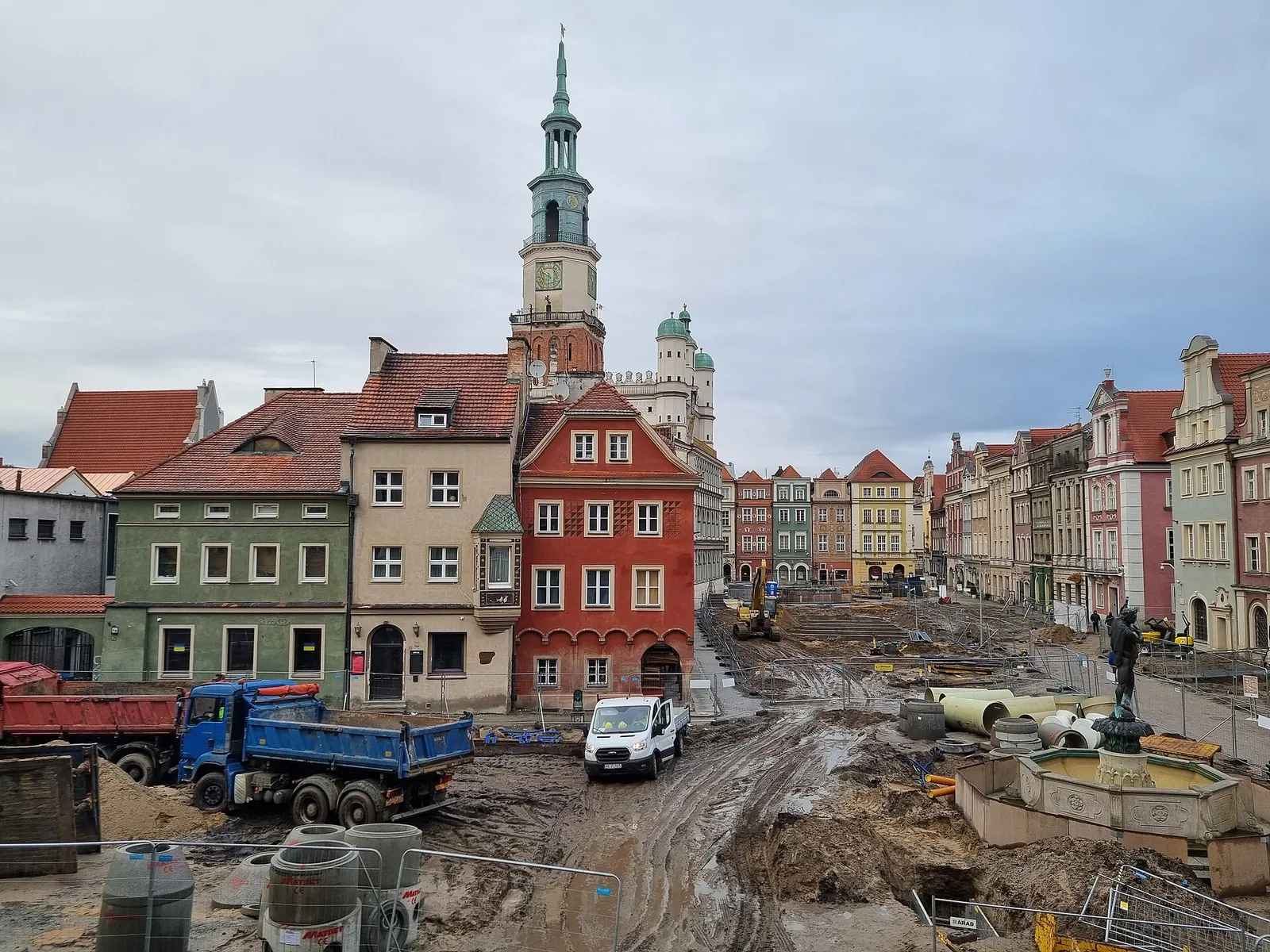
Old Market Square in Poznań
↗ 97 km awayOld Market Square in Poznań in Poznań is an interesting stop connected with the area’s history, culture or landscape. Include it in a sights…

Poznań Fara
↗ 97 km awayPoznań Fara in Poznań is an interesting stop connected with the area’s history, culture or landscape. Include it in a sightseeing plan and c…
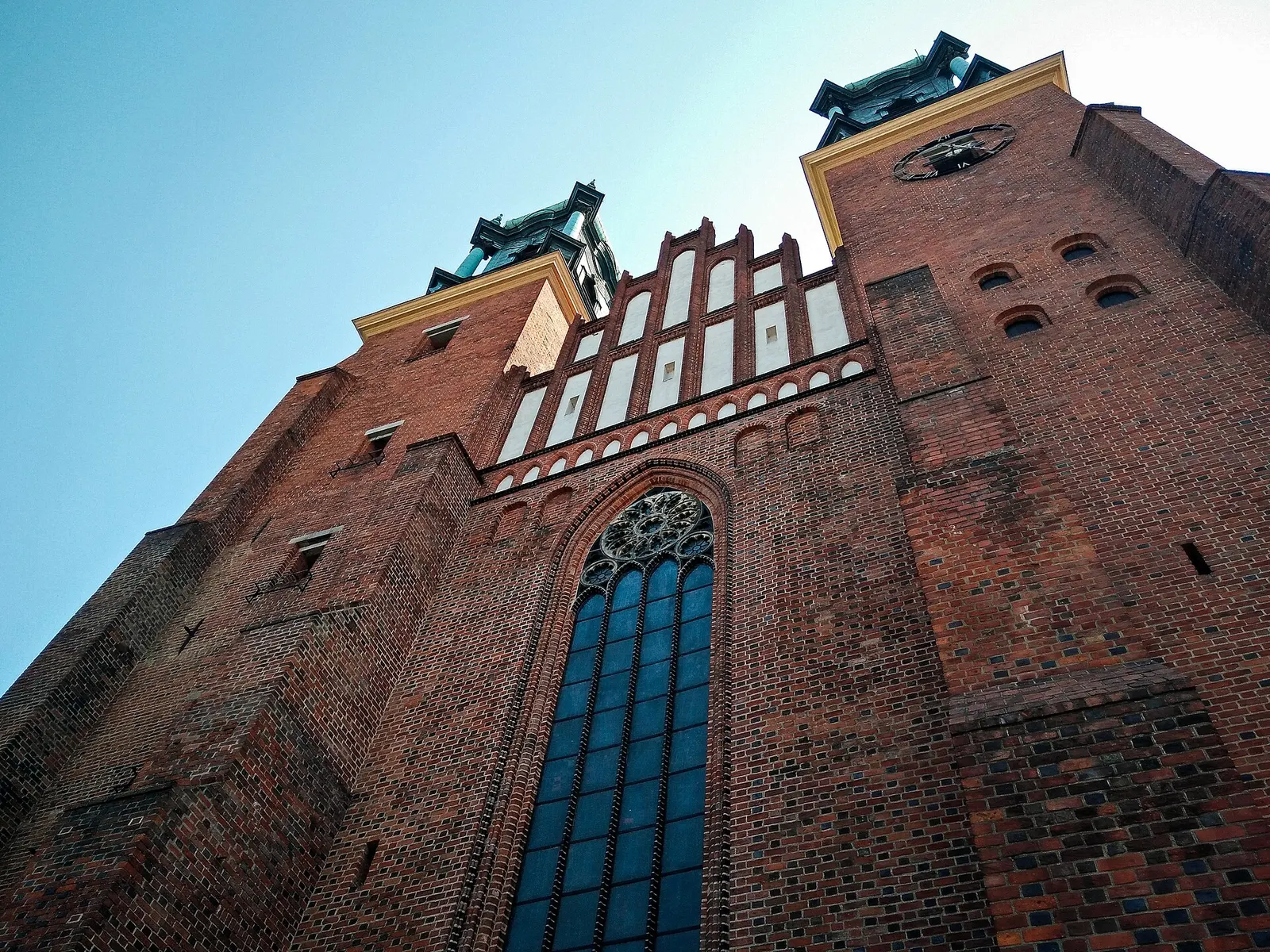
Poznań Cathedral
↗ 98 km awayThe Poznań Archcathedral on Cathedral Island is the oldest cathedral in Poland — the church where Jordan, the first Polish bishop, settled i…
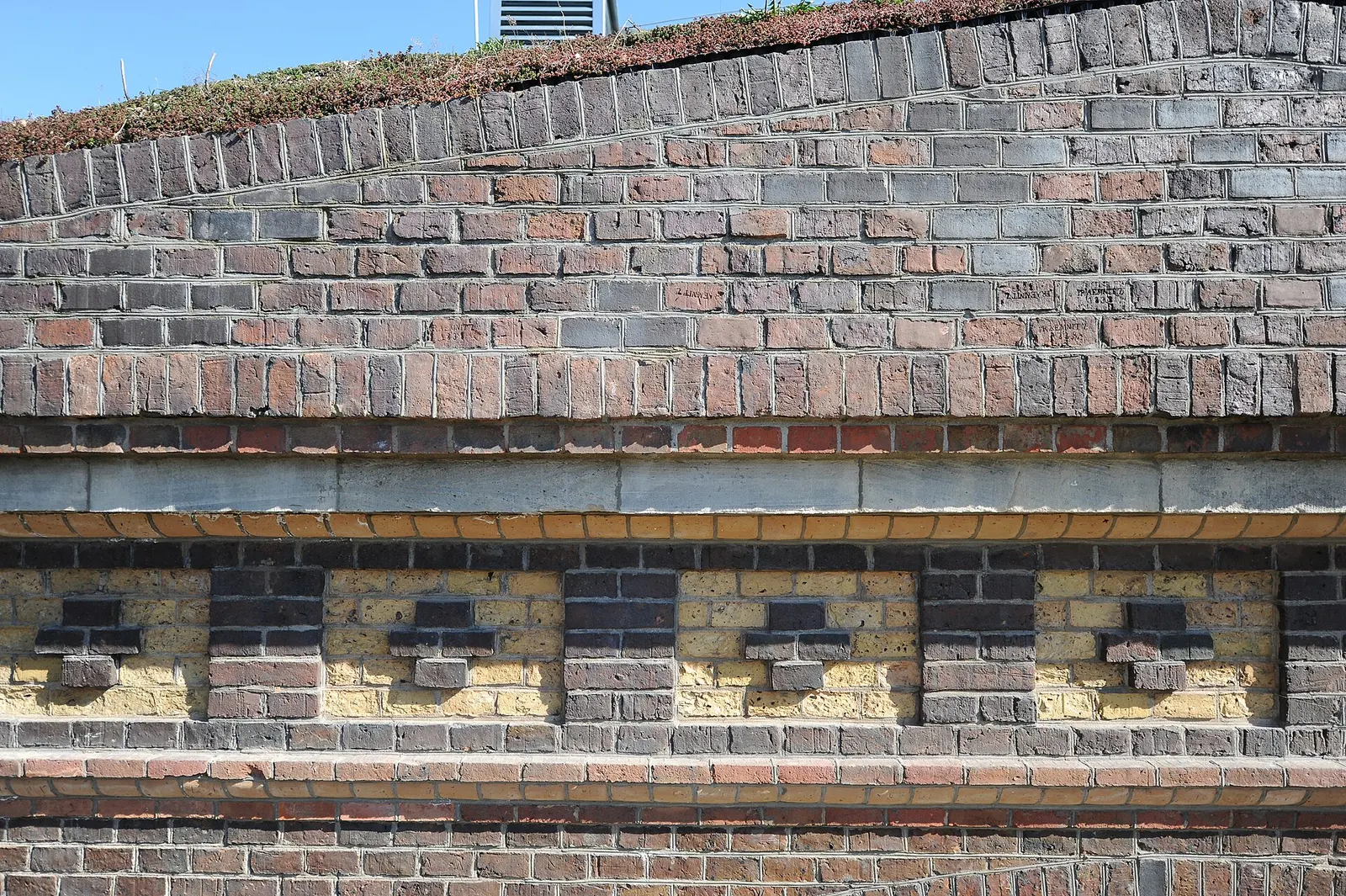
Katedralna Lock in Poznań
↗ 98 km awayKatedralna Lock in Poznań in Poznań is an interesting stop connected with the area’s history, culture or landscape. Include it in a sightsee…

Brama Poznania ICHOT
↗ 98 km awayBrama Poznania ICHOT is a heritage interpretation centre telling more than a thousand years of Ostrów Tumski history. Instead of a conventio…
Map
⚠️ Failed to load the map.
Open the list →