Słowiński National Park
Fot. FrDr , CC BY-SA 4.0 , Wikimedia Commons
Why visit?
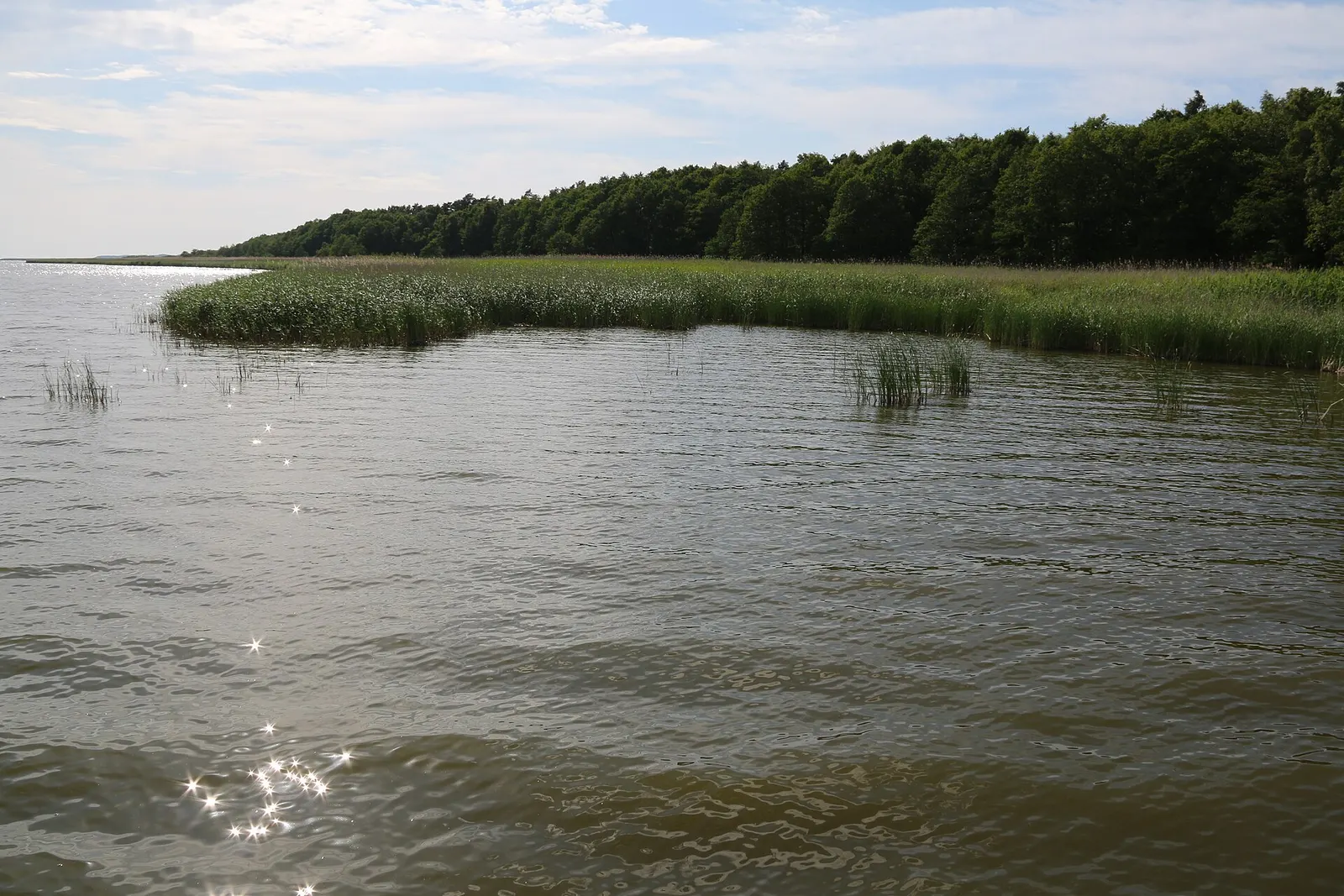
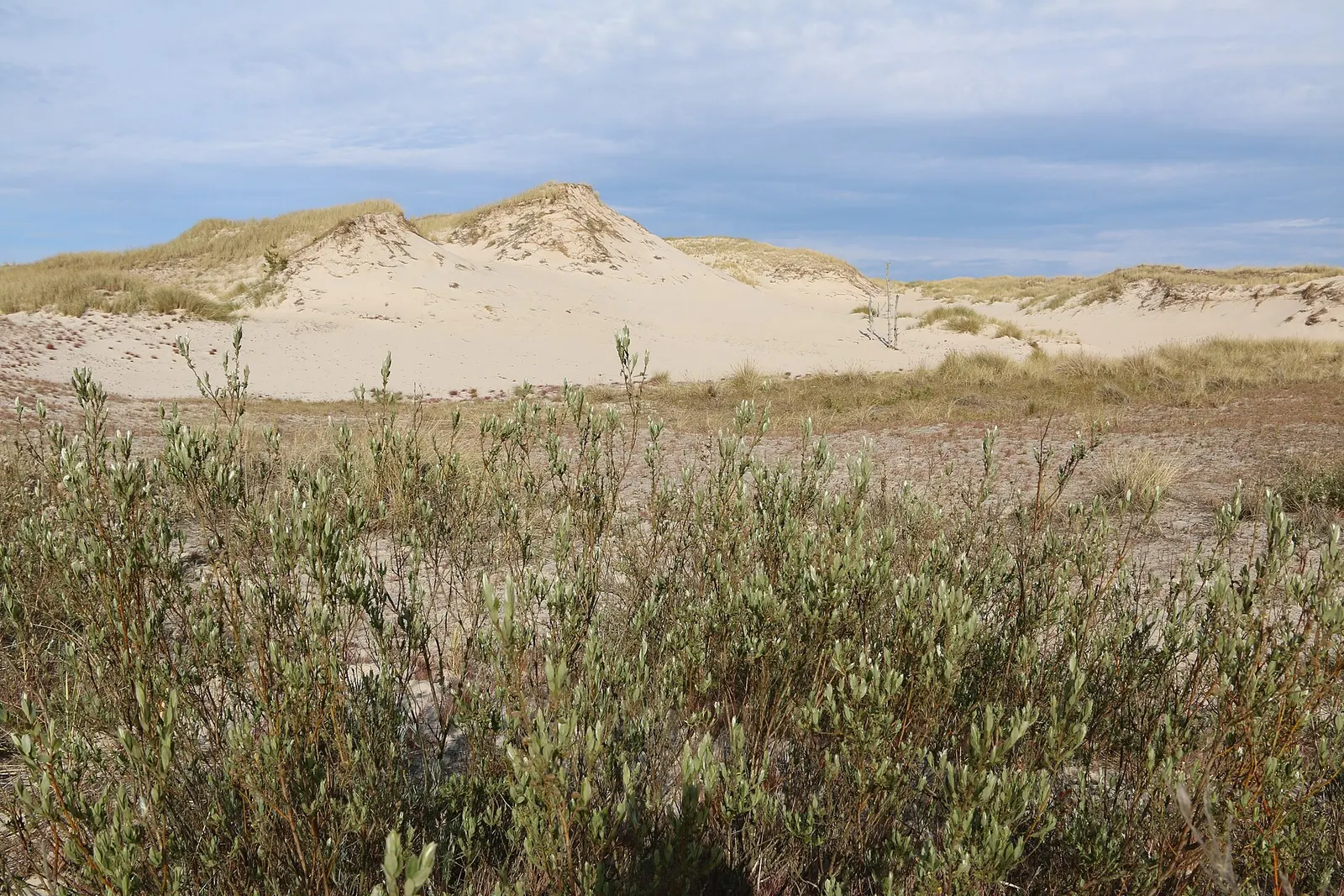
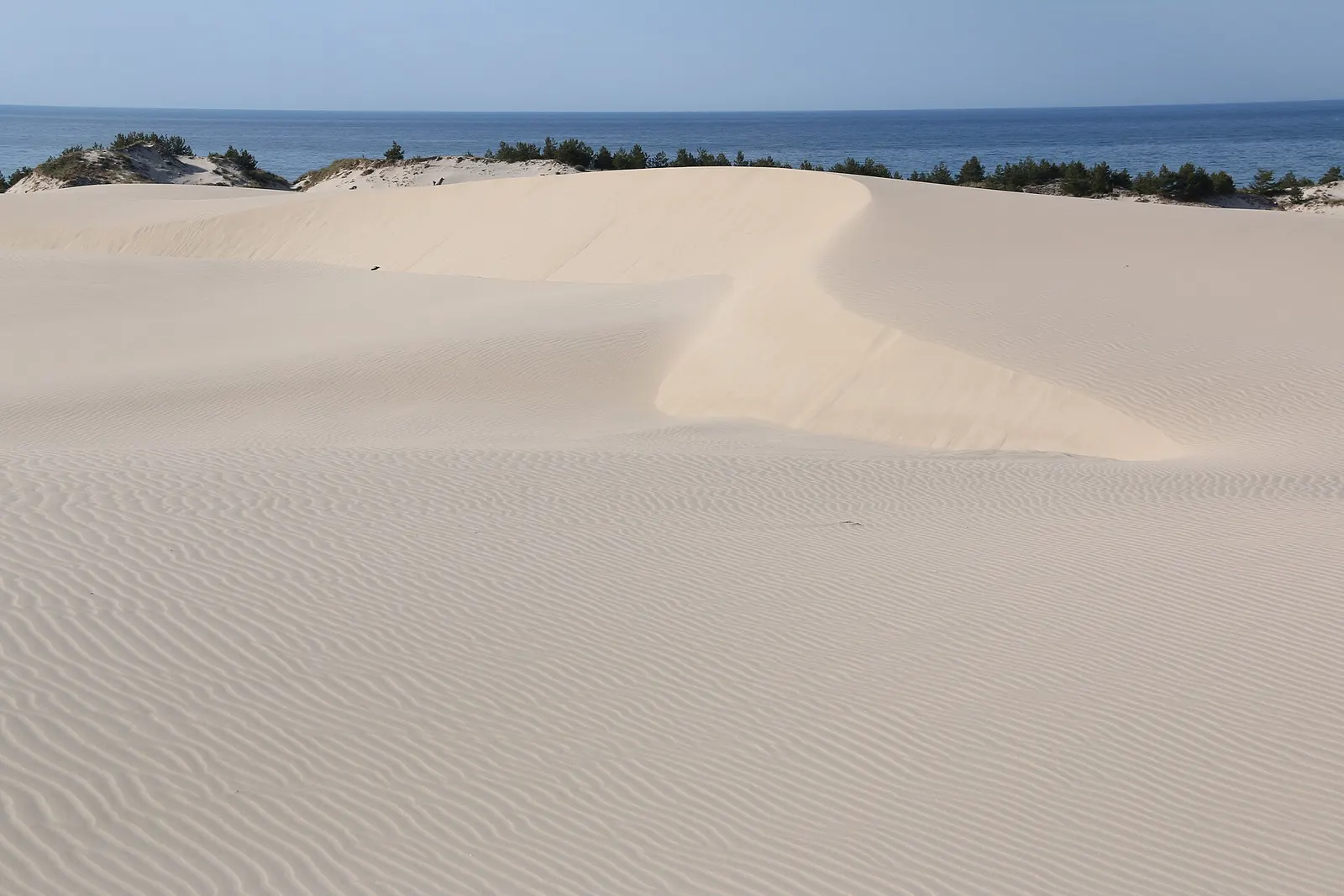
Słowiński National Park is the only place in Poland where a desert landscape meets the Baltic: shifting dunes, nicknamed the Polish Sahara, reach 30 metres in height and creep 3–10 metres every year, burying the pine forests behind them. The park was established in 1967 on the Słowińskie Coast, taking its name from the Słowińcy, an ethnic Kashubian group who once lived here. Since 1977 the area has held UNESCO biosphere reserve status, and water — including a stretch of the Baltic — covers more than half of its surface. The landscape is shaped by two shallow coastal lakes, Łebsko (71 km²) and Gardno (25 km²), former sea bays cut off from the Baltic by sandy spits. In spring 2016 the dunes uncovered a primeval forest buried thousands of years ago — one of the few such events in Europe. Beyond the dunes, aim for the Czołpino lighthouse, the viewpoint on Rowokół (115 m above sea level) and the bird sanctuaries by the lakes, where rare birds of prey nest. The most popular route sets out from Łeba through the hamlet of Rąbka towards the Łącka Dune — roughly four hours of walking round trip, in summer shortened by a melex electric ride. Remember that the dune ridge offers no shade or water: in a heatwave the sand burns your feet, while the wind can feel chilly even in July. The best months are May–June and September, when crowds thin out and the sands contrast beautifully with the green of the forest and the blue of the lake.
What you’ll see
- Ruchome wydmy przesuwające się o 3-10 metrów rocznie
- Panorama z grzbietu wydmy na Łebsko i Bałtyk
- Jeziora Łebsko i Gardno — dawne zatoki odcięte mierzeją
- Latarnia morska Czołpino i punkt widokowy Rowokol
- Rezerwat biosfery UNESCO od 1977 roku
GetYourGuide
Recommended tours and tickets
Discover recommended experiences, tickets and tours you can book online.
Affiliate link — we may earn a commission from bookings.
Nearby attractions
Łebsko Lake
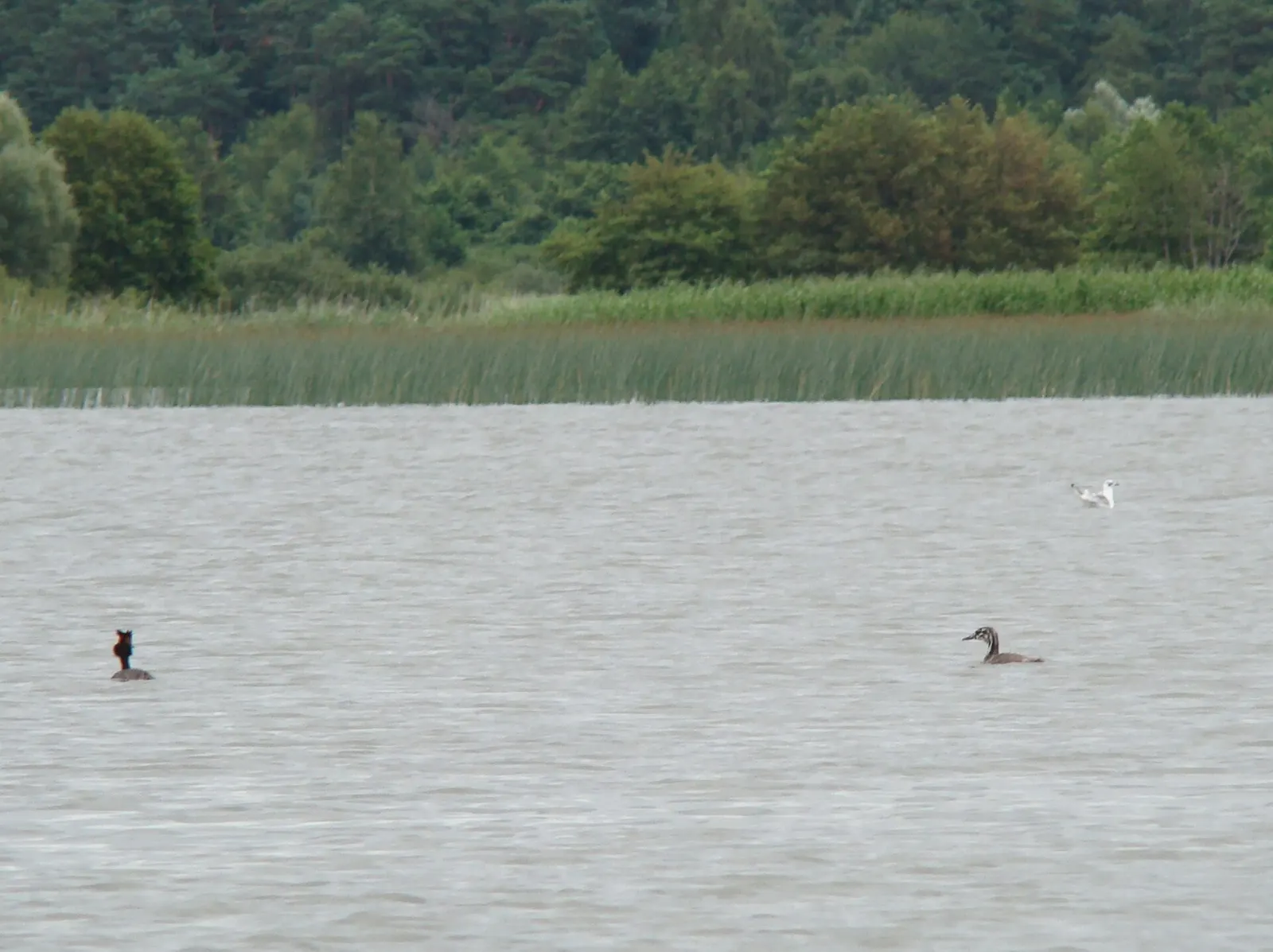
↗ 5.0 km awayŁebsko is the third largest lake in Poland and the country's largest coastal lake — 71.4 km² of water stretching 16.4 km along the coast, ju…
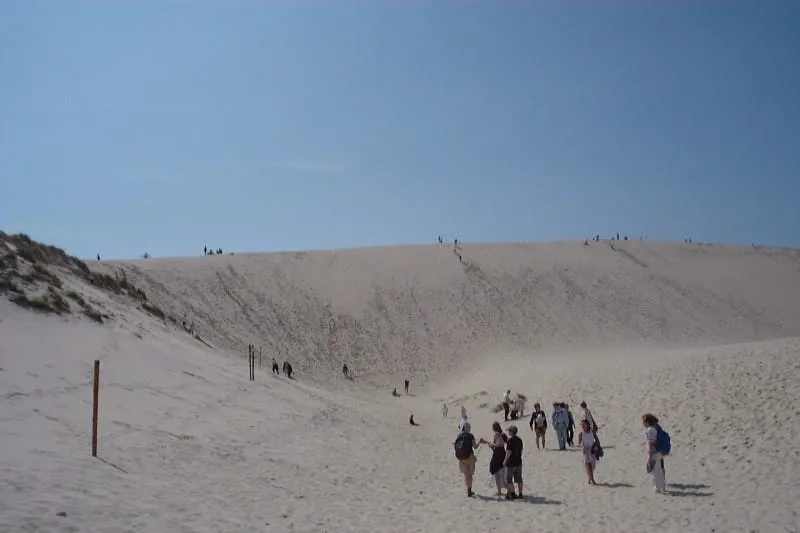
Ruchome wydmy w Słowińskim Parku Narodowym
↗ 7.1 km awayRuchome wydmy w Słowińskim Parku Narodowym in regionie is an interesting stop connected with the area’s history, culture or landscape. Inclu…
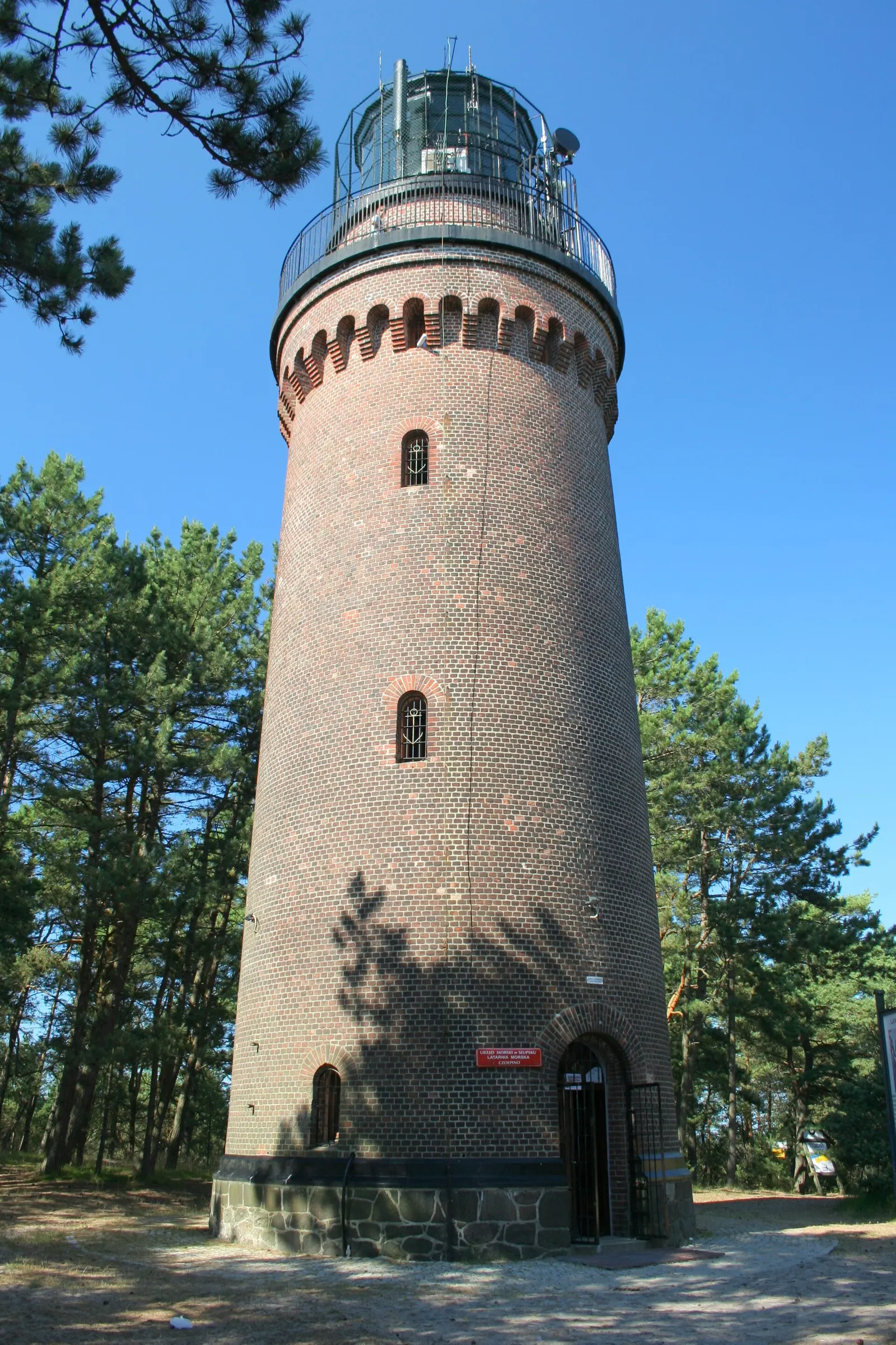
Czołpino Lighthouse
↗ 13 km awayCzołpino Lighthouse in Smołdzino is an interesting stop connected with the area’s history, culture or landscape. Include it in a sightseeing…
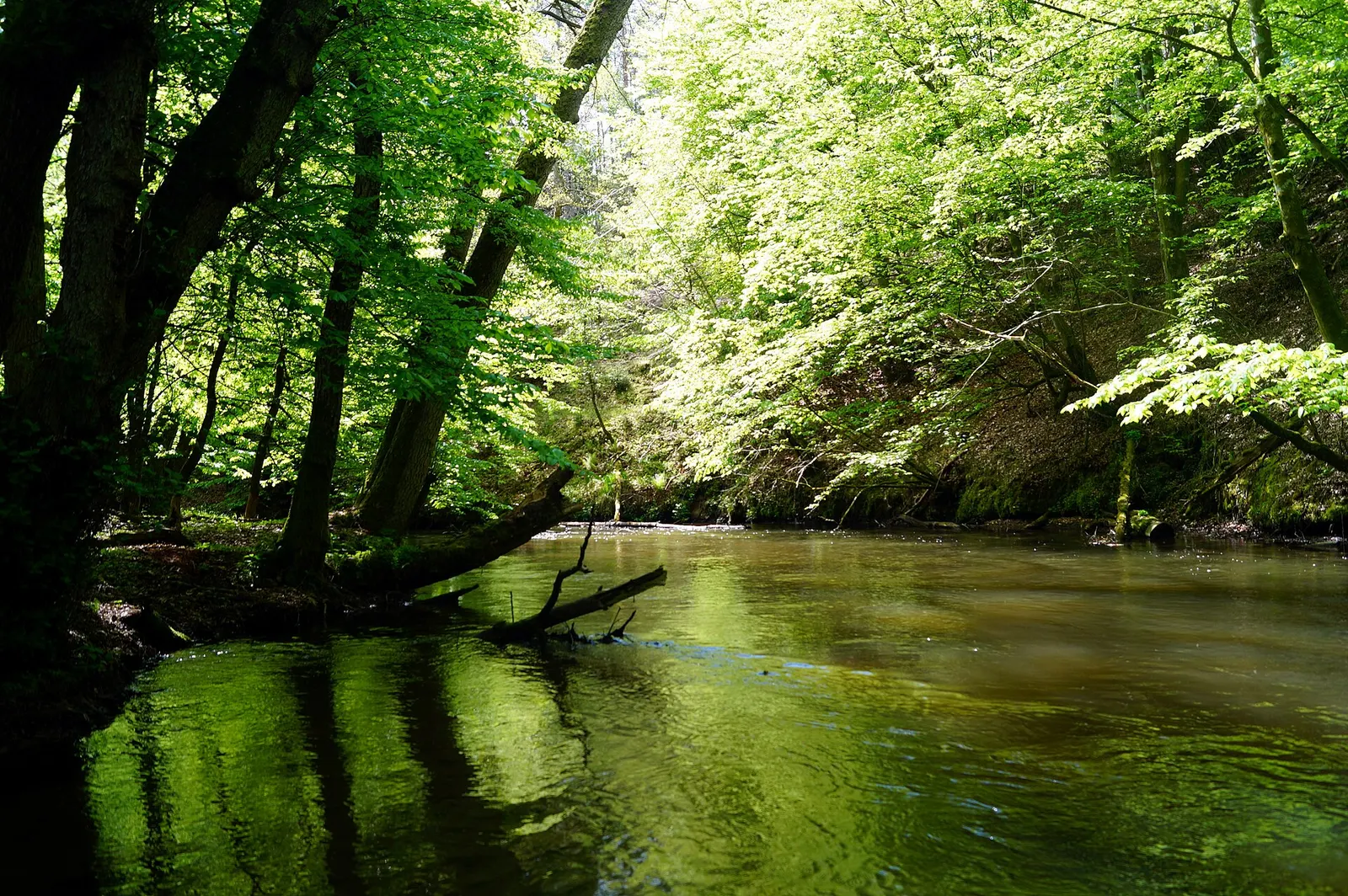
Słupia Valley Landscape Park
↗ 55 km awaySłupia Valley Landscape Park in gmina Czarna Dąbrówka is an interesting stop connected with the area’s history, culture or landscape. Includ…
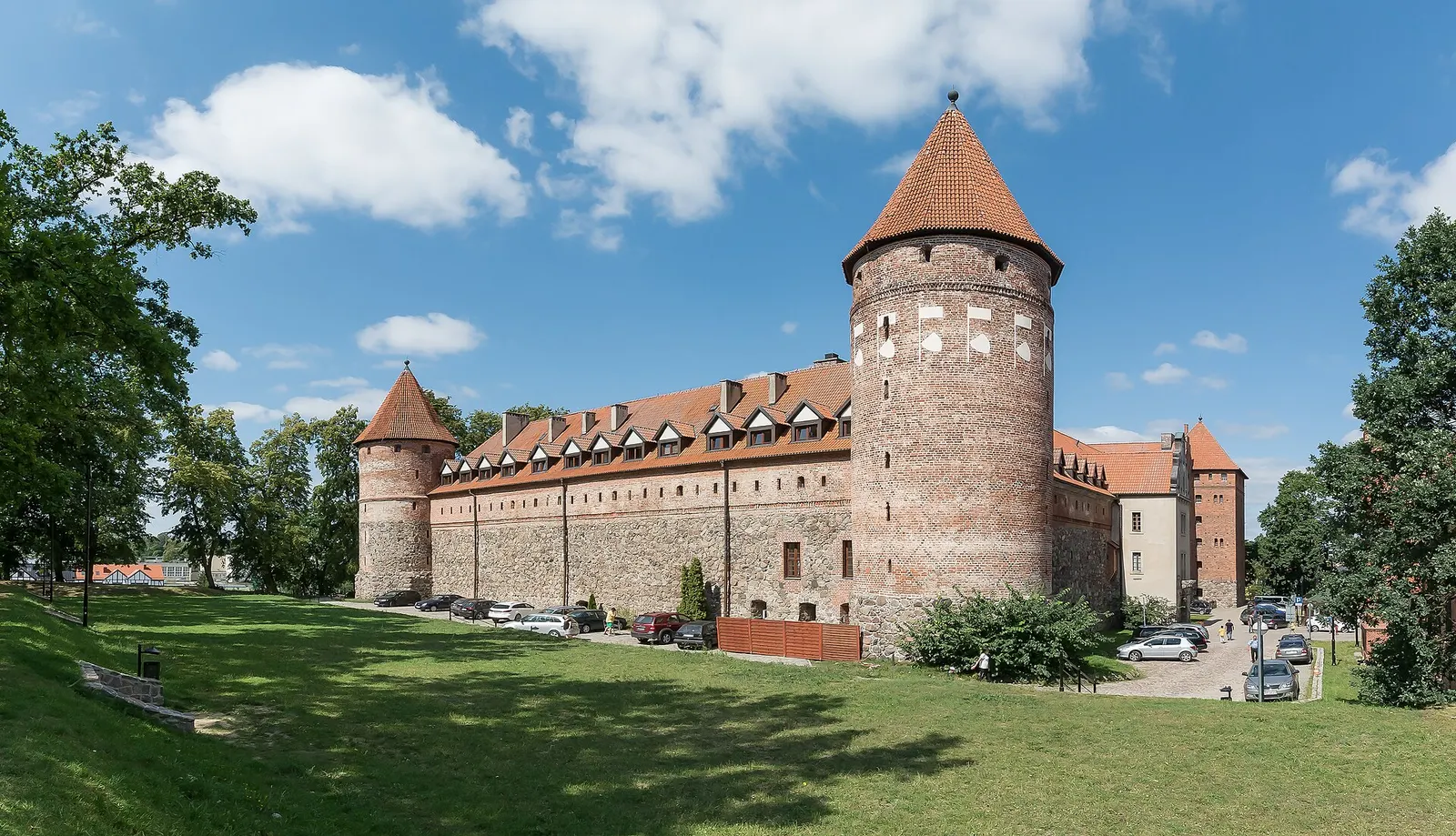
Bytów Castle
↗ 65 km awayBytów Castle in Bytów is an interesting stop connected with the area’s history, culture or landscape. Include it in a sightseeing plan and c…
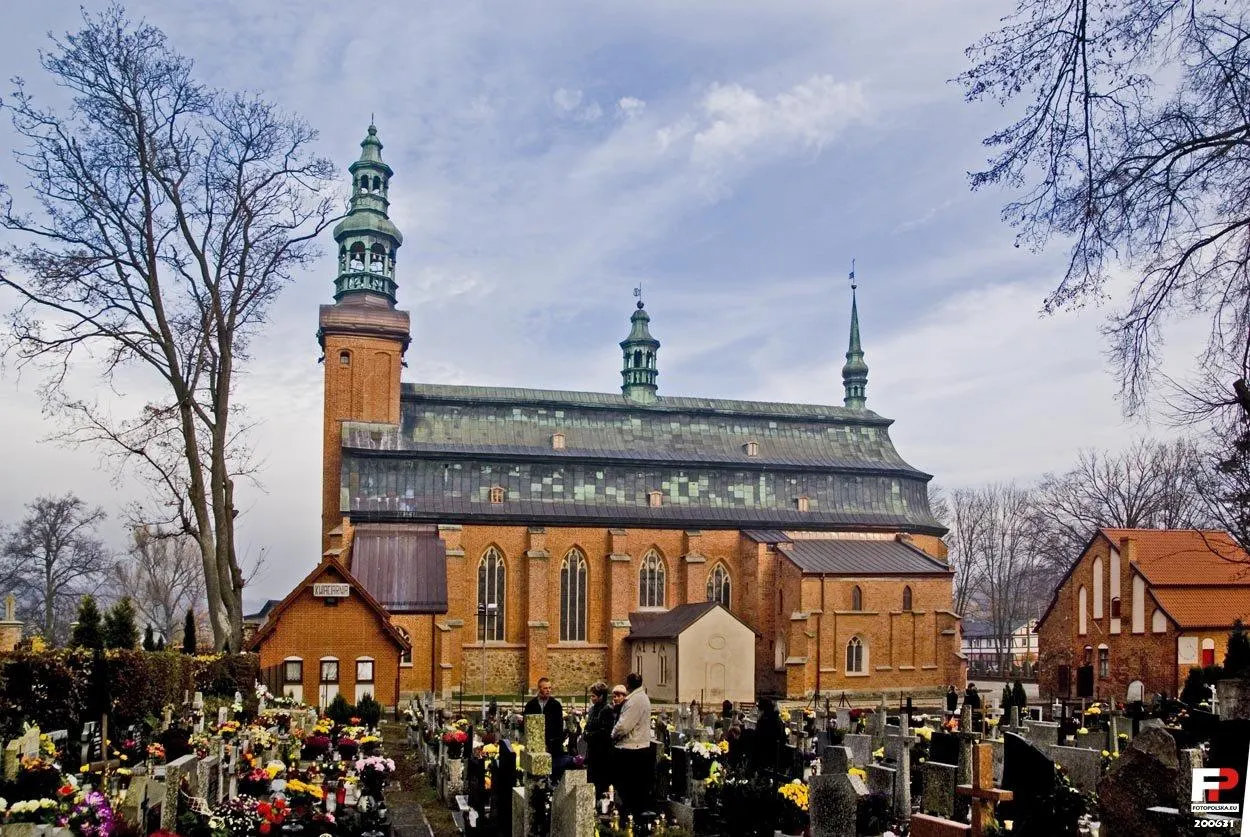
Church of the Assumption in Kartuzy
↗ 67 km awayChurch of the Assumption in Kartuzy in Kartuzy is an interesting stop connected with the area’s history, culture or landscape. Include it in…
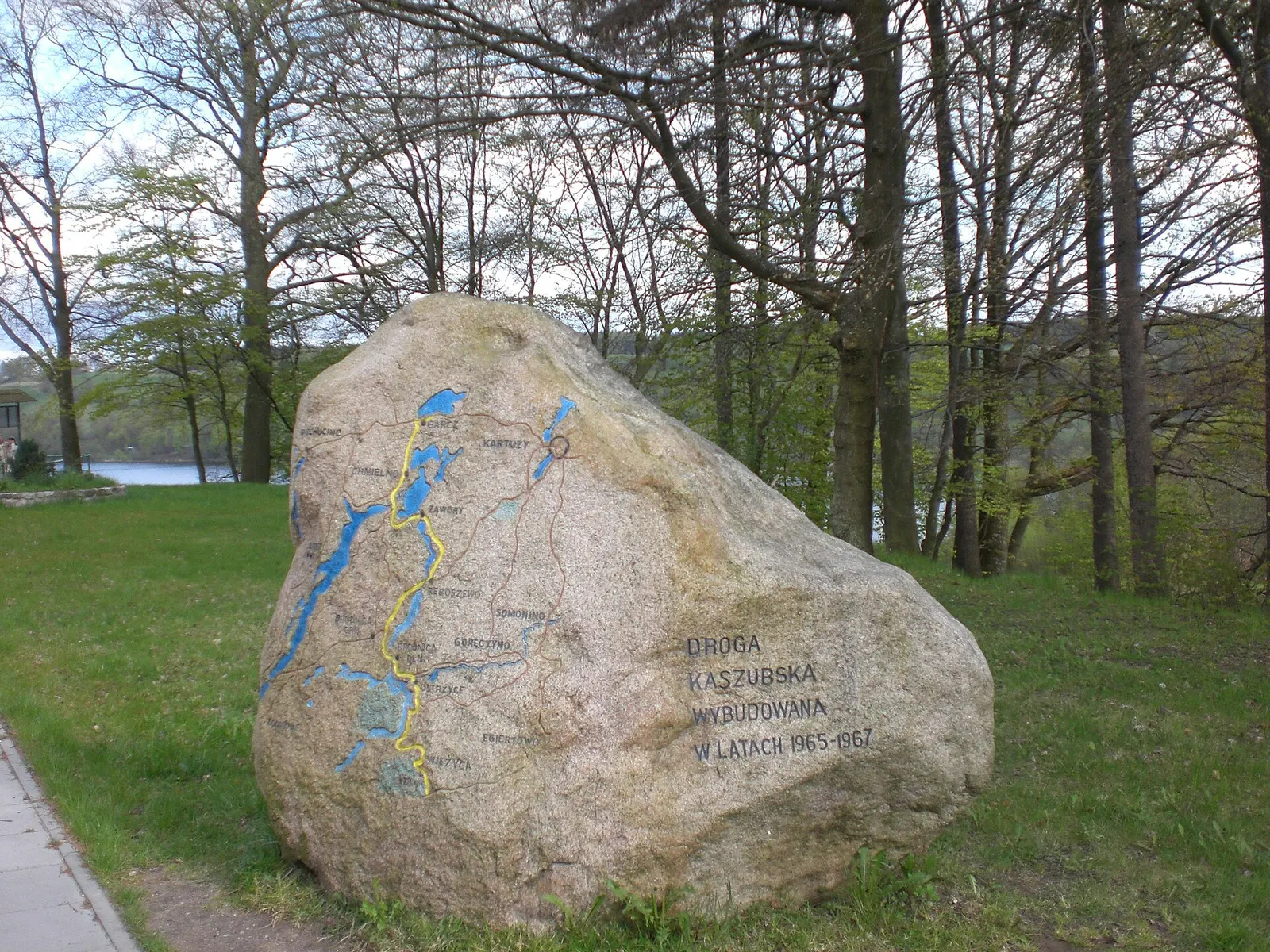
Złota Góra
↗ 68 km awayZłota Góra is a mountain destination near gmina Kartuzy, popular with visitors looking for nature and scenic trails. Routes cross the region…
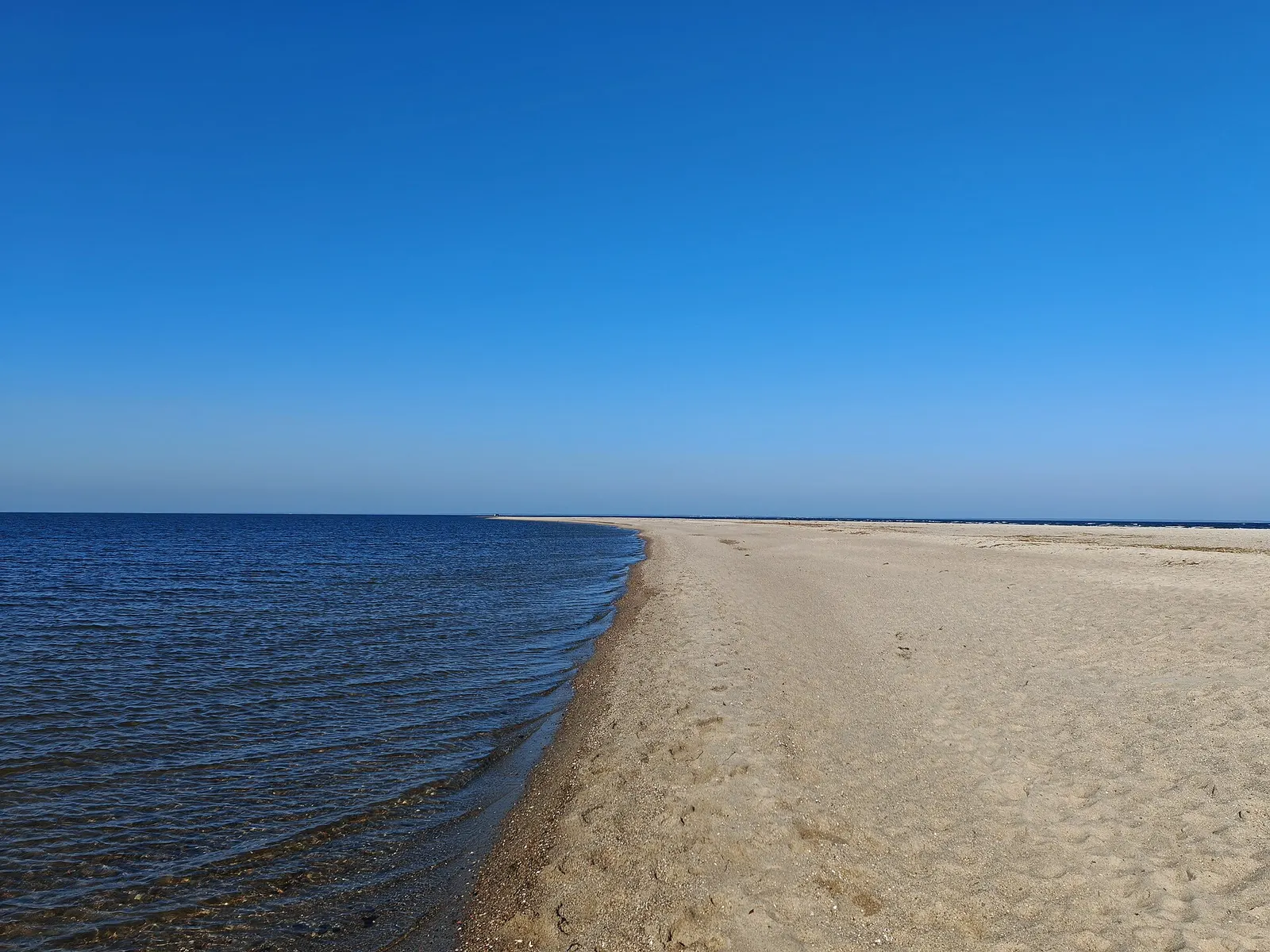
Cypel Rewski
↗ 70 km awayCypel Rewski in gmina Kosakowo is an interesting stop connected with the area’s history, culture or landscape. Include it in a sightseeing p…
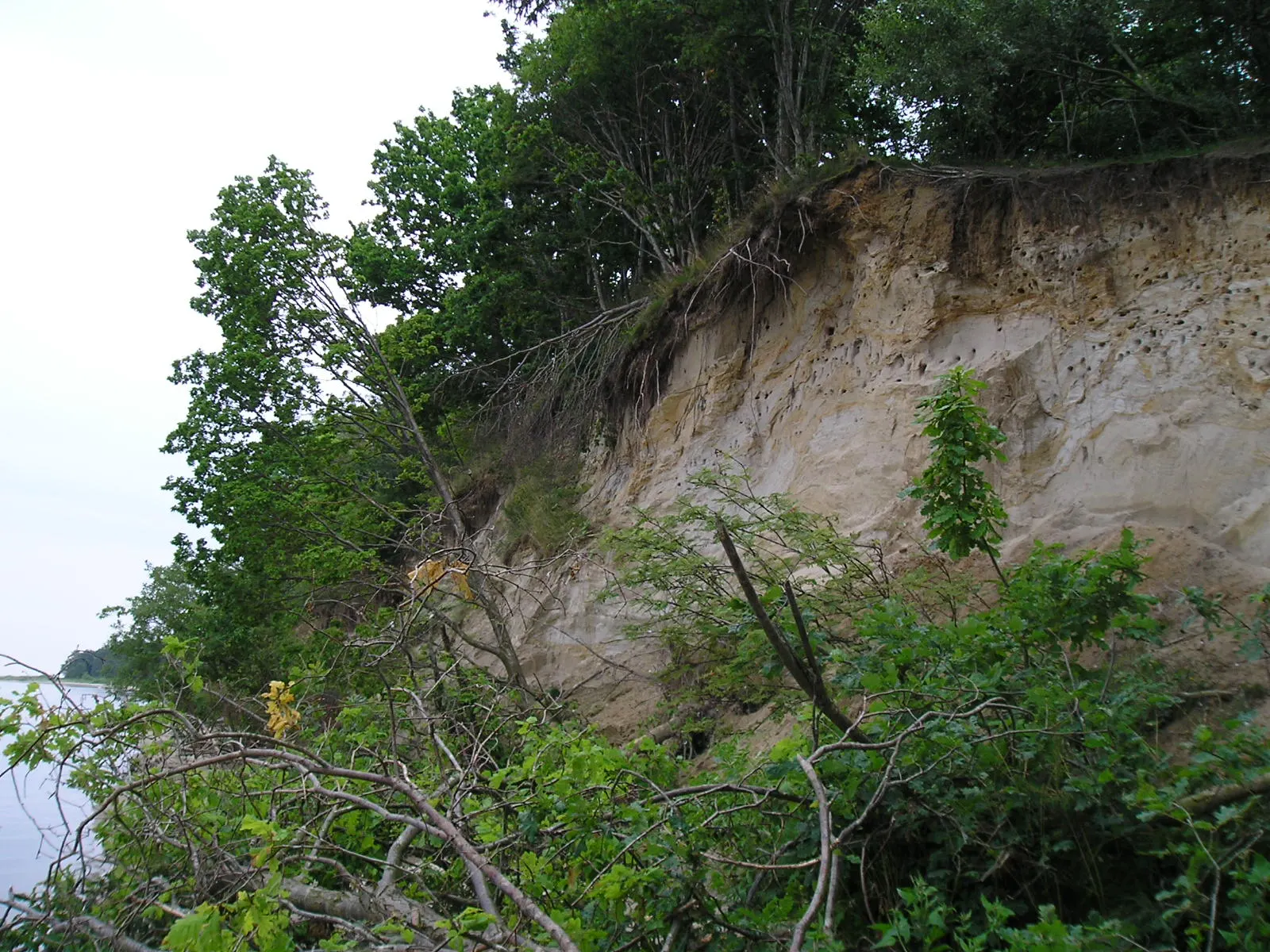
Coastal Landscape Park
↗ 75 km awayCoastal Landscape Park in gmina Jastarnia is an interesting stop connected with the area’s history, culture or landscape. Include it in a si…
Map
⚠️ Failed to load the map.
Open the list →