Giewont
Fot. Jakub Hałun, Kj , CC BY-SA 4.0 , Wikimedia Commons
Why visit?
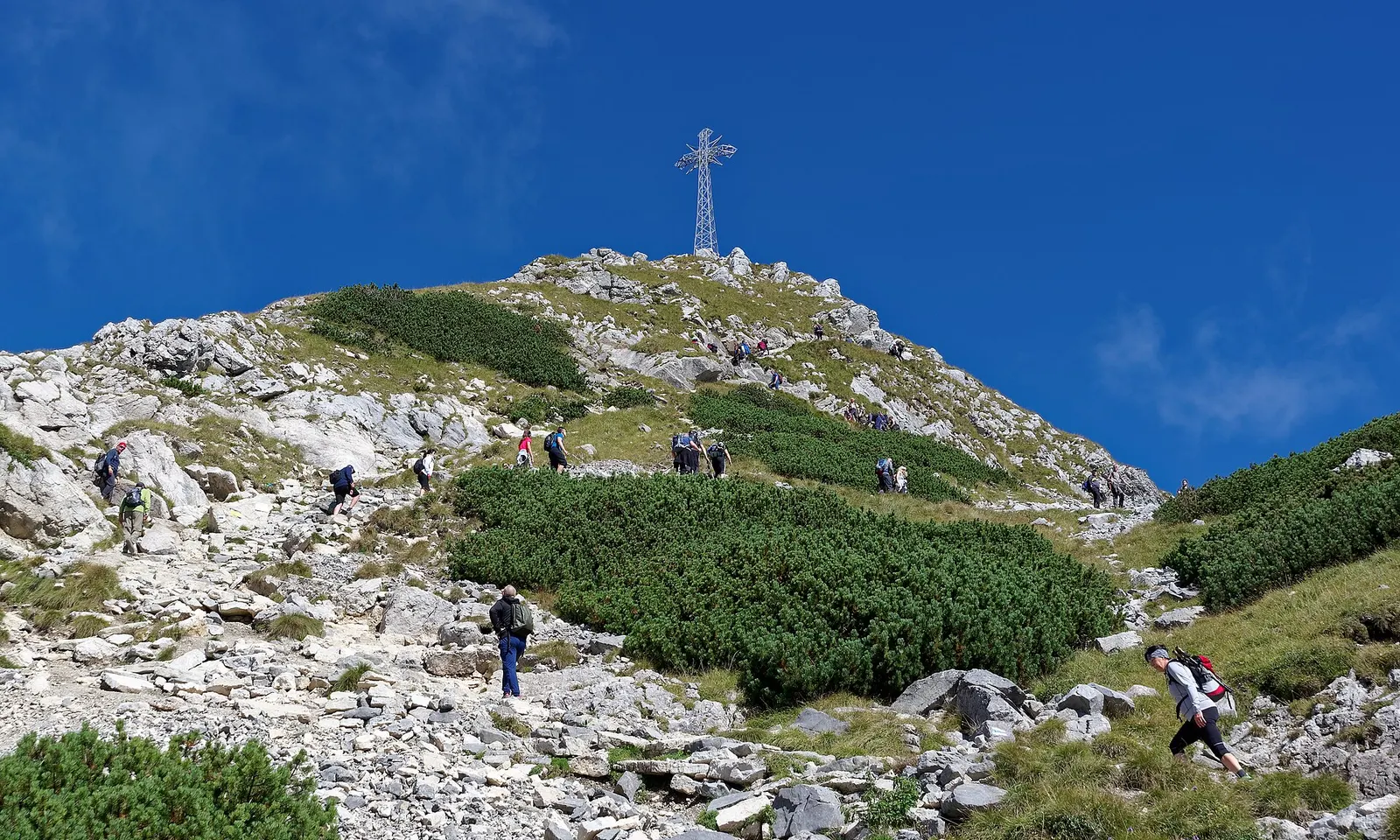
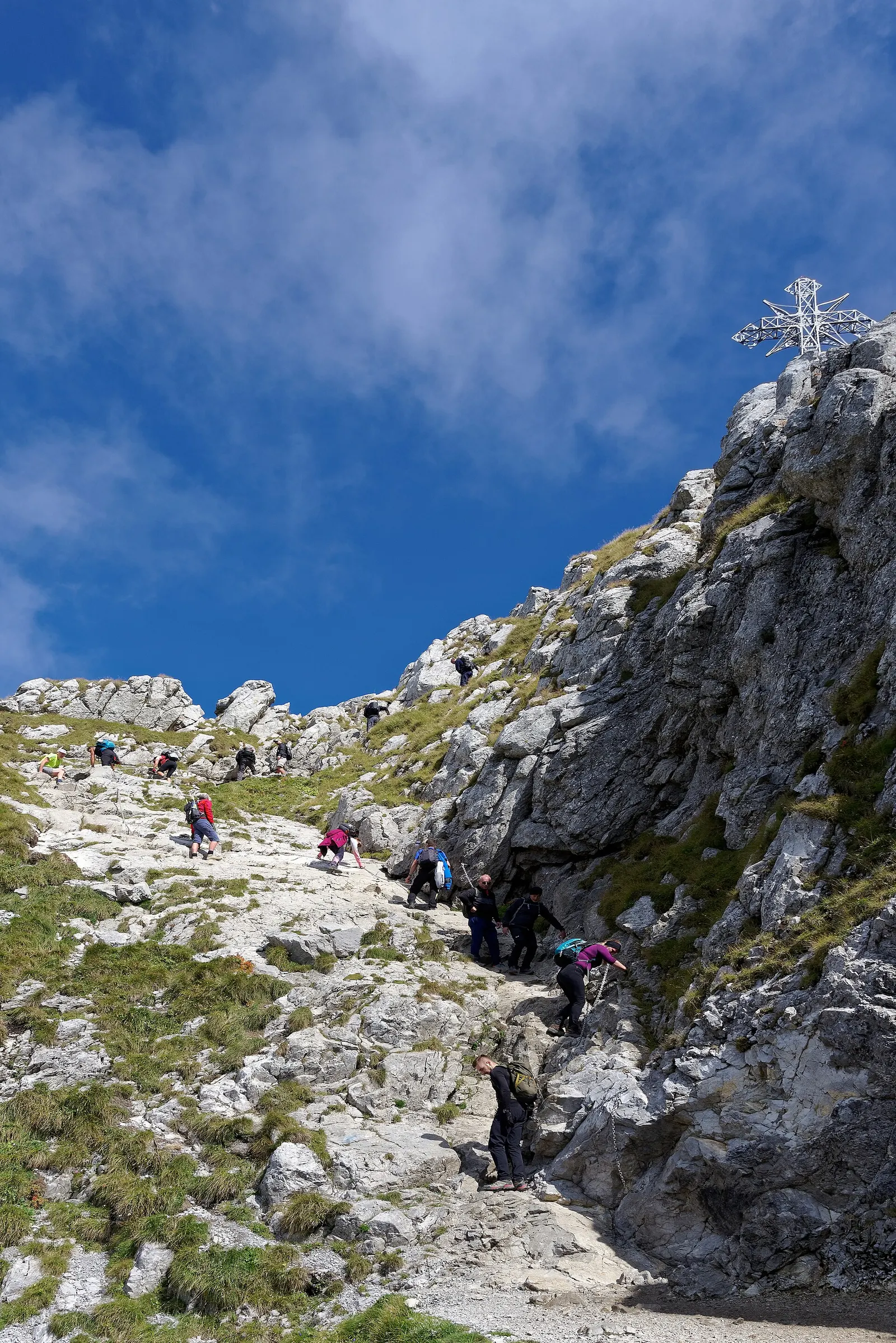
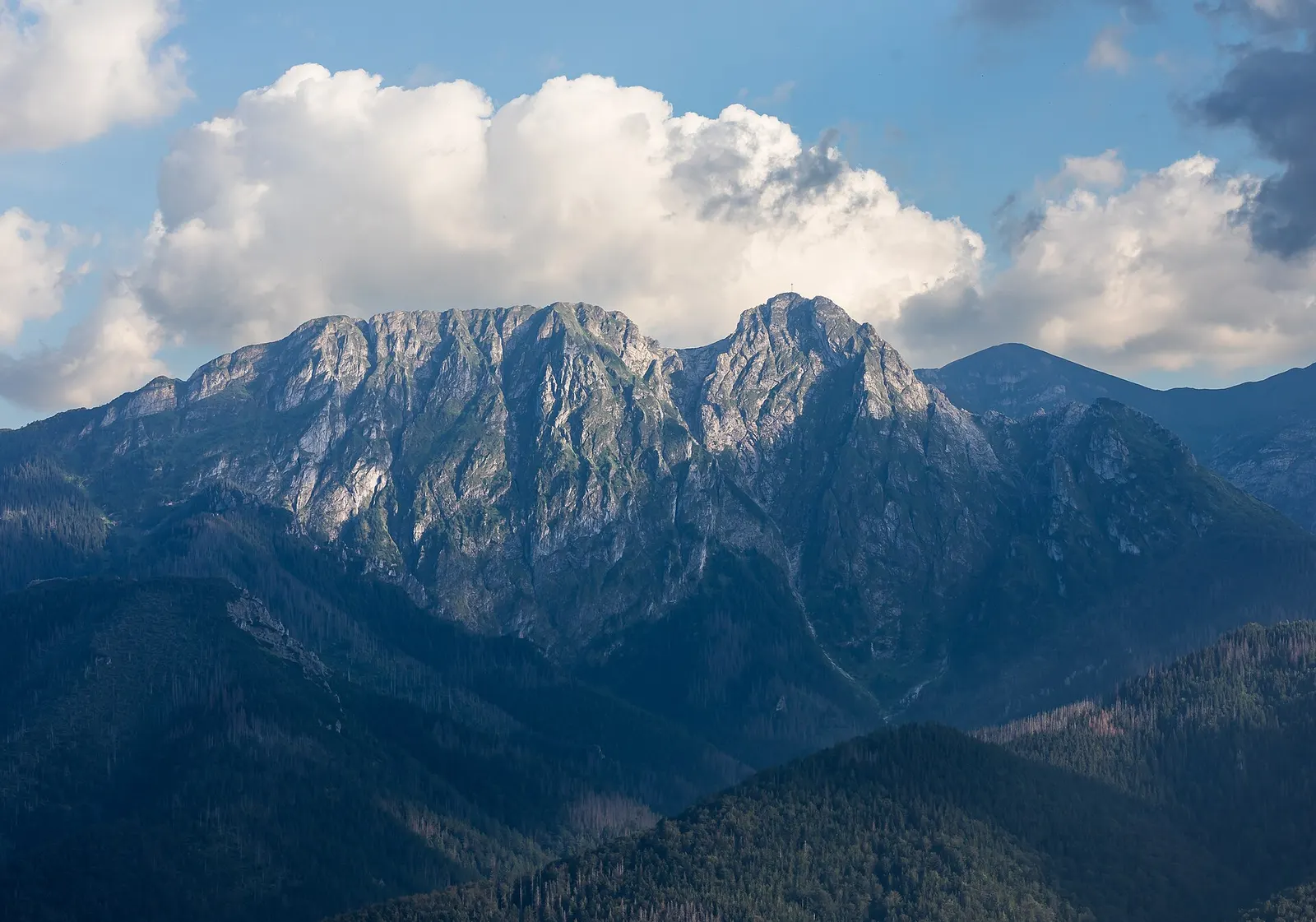
Giewont is the distinctive mountain massif above Zakopane and one of the symbols of the Polish Tatras. The summit attracts visitors with its views and legends, but the ascent is not an ordinary walk: the final rocky section requires care, especially in crowds or changing weather. ## What to see Popular approaches start from the Strążyska Valley, Grzybowiec or Hala Kondratowa. Look for changing vegetation zones, rock formations and views across the Western Tatras. Chains appear near the summit; treat them as support on an exposed section, not as an adventure feature. The cross on Great Giewont was installed at the beginning of the twentieth century and became a landmark of the Zakopane skyline. The mountain can be busy, creating queues on the final section, while storms are a serious risk in exposed terrain. Check Tatra National Park alerts, weather and the planned walking time before leaving. There is no separate summit ticket beyond the Tatra National Park admission, but the route needs fitness. Depending on the variant, allow roughly five to eight hours including approach and breaks. Dogs are not allowed on TPN trails. Do not choose Giewont as a first mountain route in uncertain weather. Start early and turn back if conditions worsen before the chains.
What you’ll see
- panorama Zakopanego
- łańcuchy pod szczytem
- szlak przez Dolinę Strążyską
- symbol Tatr
GetYourGuide
Recommended tours and tickets
Discover recommended experiences, tickets and tours you can book online.
Affiliate link — we may earn a commission from bookings.
Nearby attractions
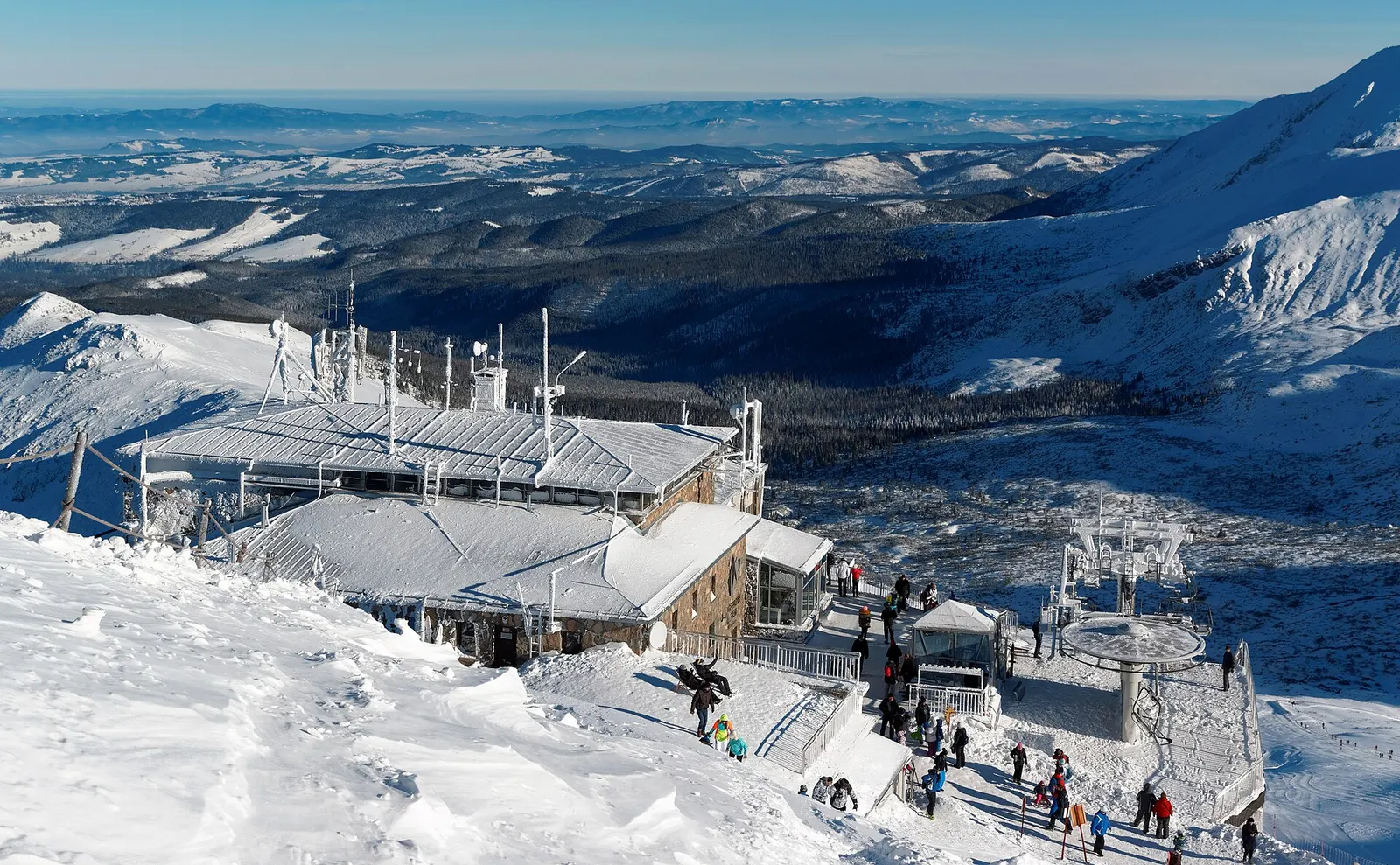
Kasprowy Wierch Cableway
↗ 3.9 km awayThe cableway from Kuźnice to Kasprowy Wierch is one of the Tatra Mountains’ best-known attractions. In a few minutes the cabins rise above t…
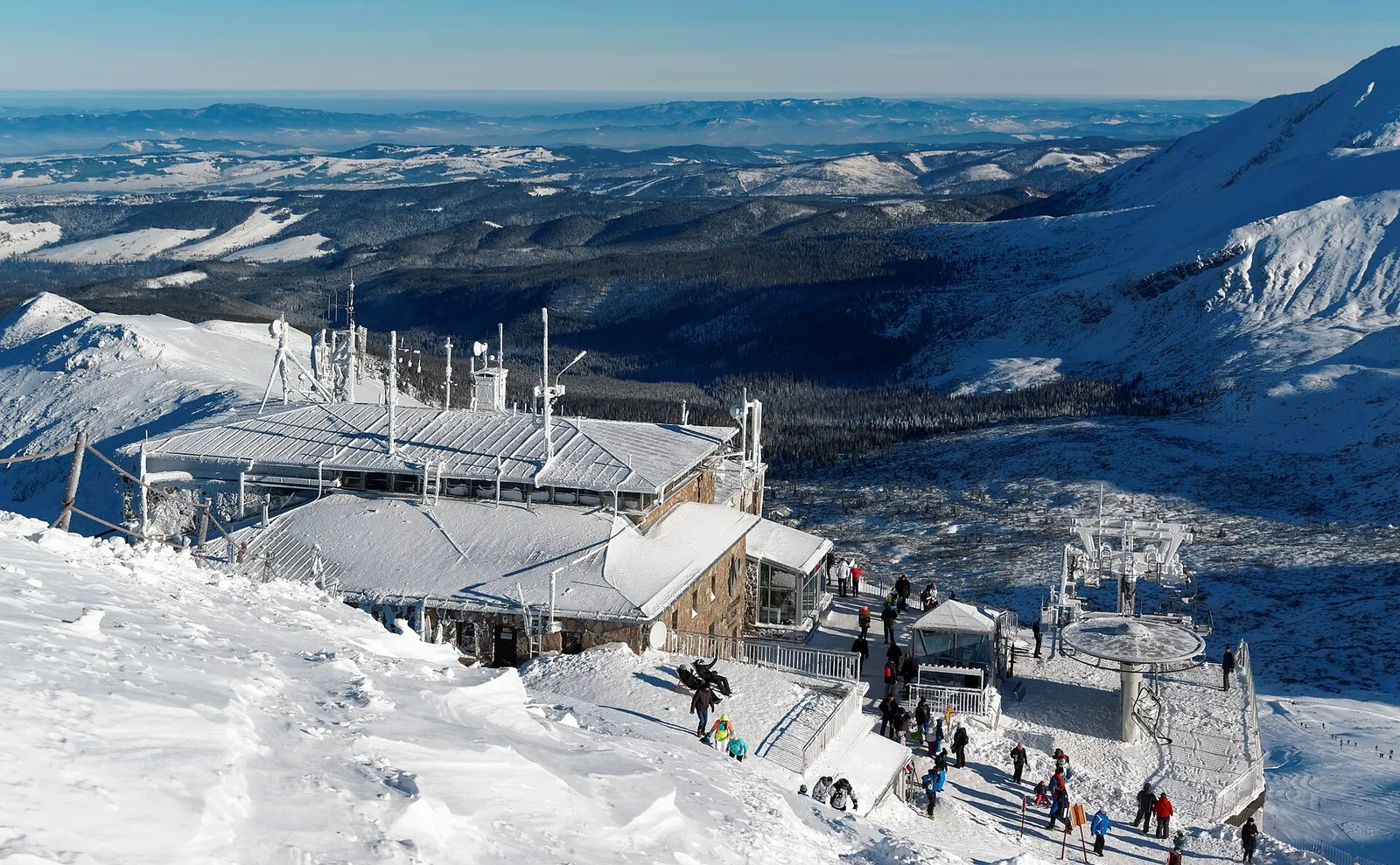
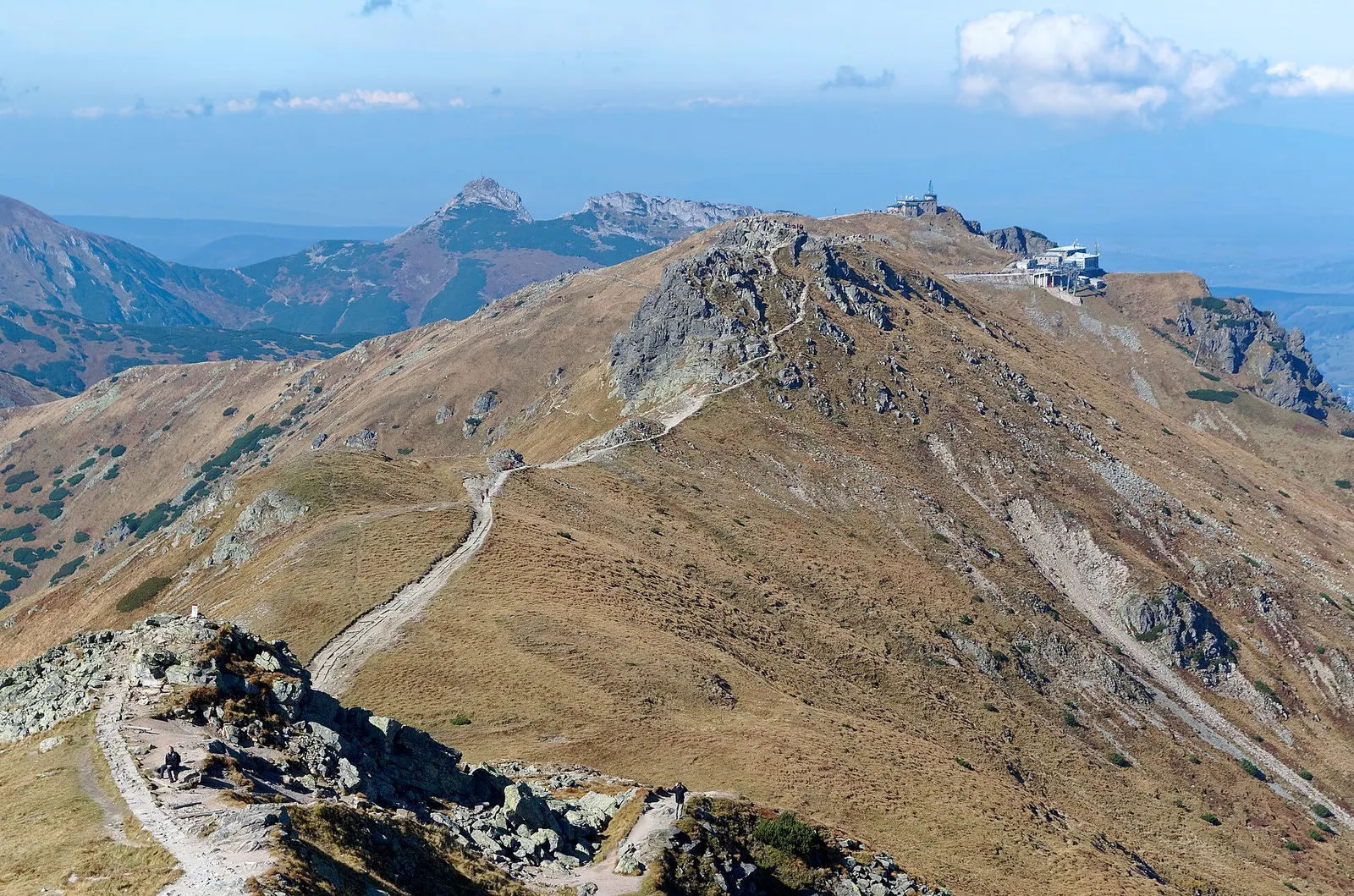
Kasprowy Wierch Cableway
↗ 4.0 km awayKasprowy Wierch – a Tatra classic that is truly worth visiting Kasprowy Wierch is one of the most recognisable peaks in the Polish Tatras a…
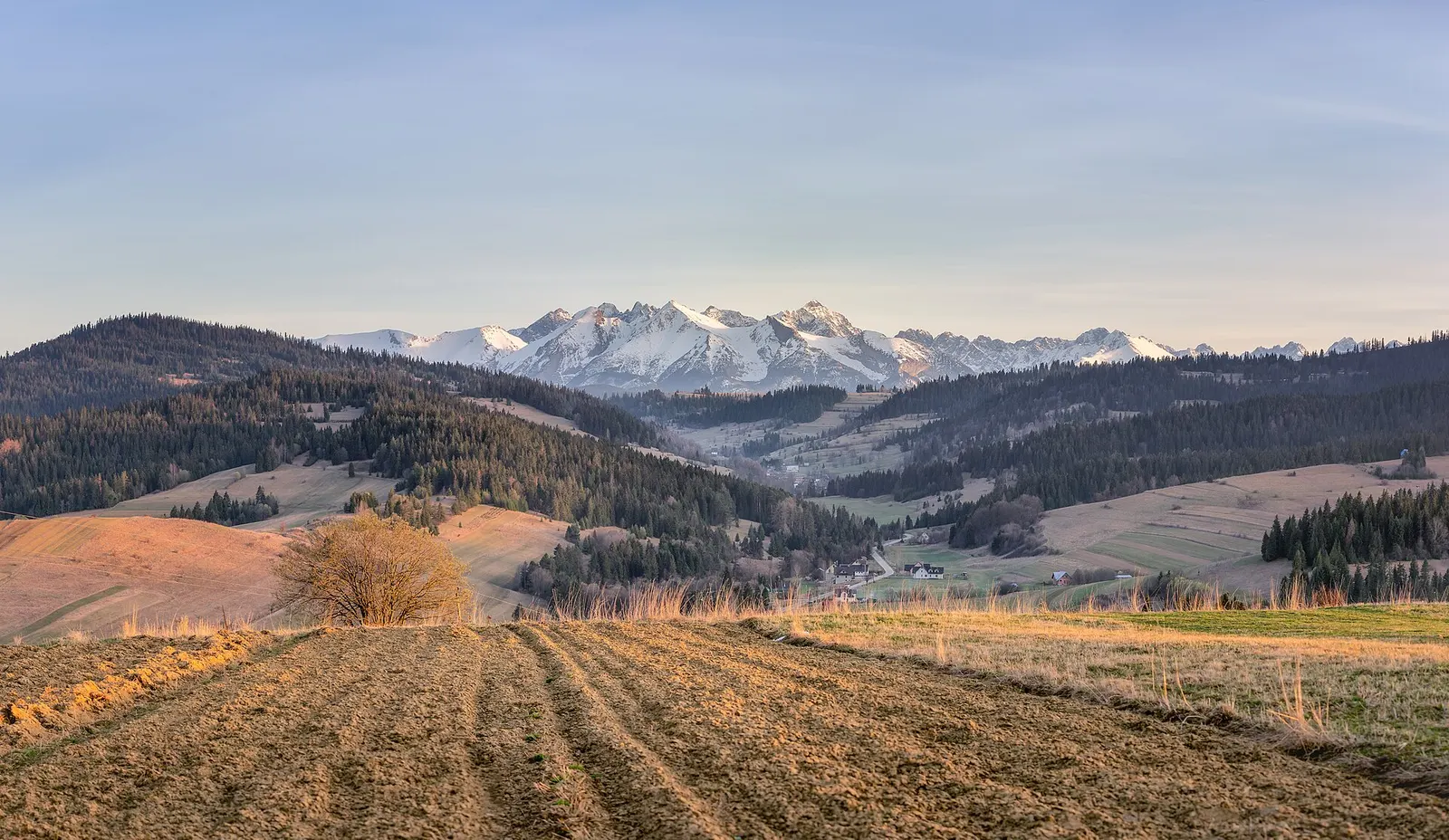
Beskyd
↗ 4.7 km awayBeskyd is a mountain destination near Zakopane, popular with visitors looking for nature and scenic trails. Routes cross the region’s charac…
Tatra National Park
↗ 4.7 km awayThe Tatra National Park covers almost the entire Polish part of the Tatras — the only mountains of Alpine character between the Alps and the…
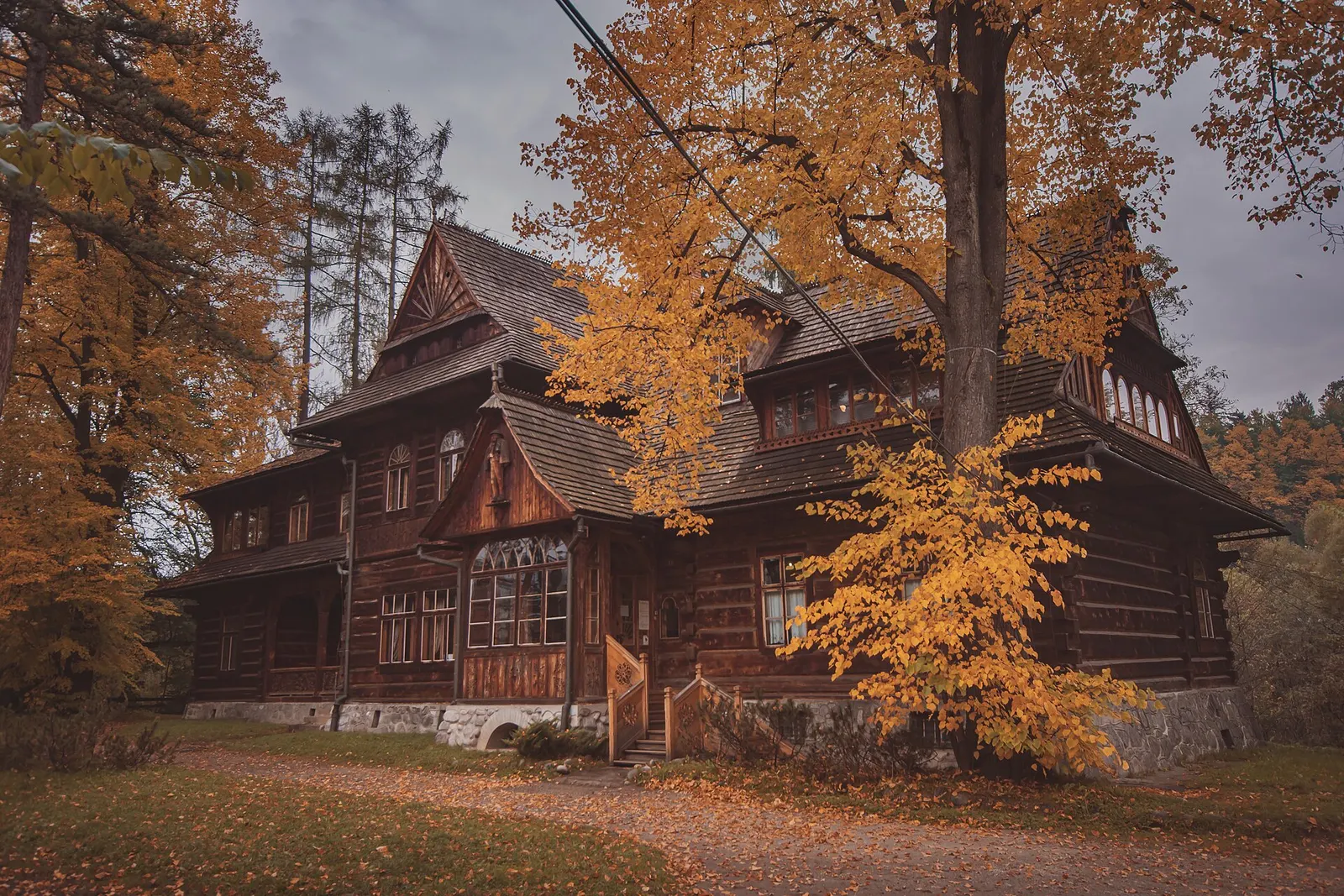
Museum of Zakopane Style at Villa Koliba
↗ 4.9 km awayMuseum of Zakopane Style at Villa Koliba in Zakopane is an interesting stop connected with the area’s history, culture or landscape. Include…
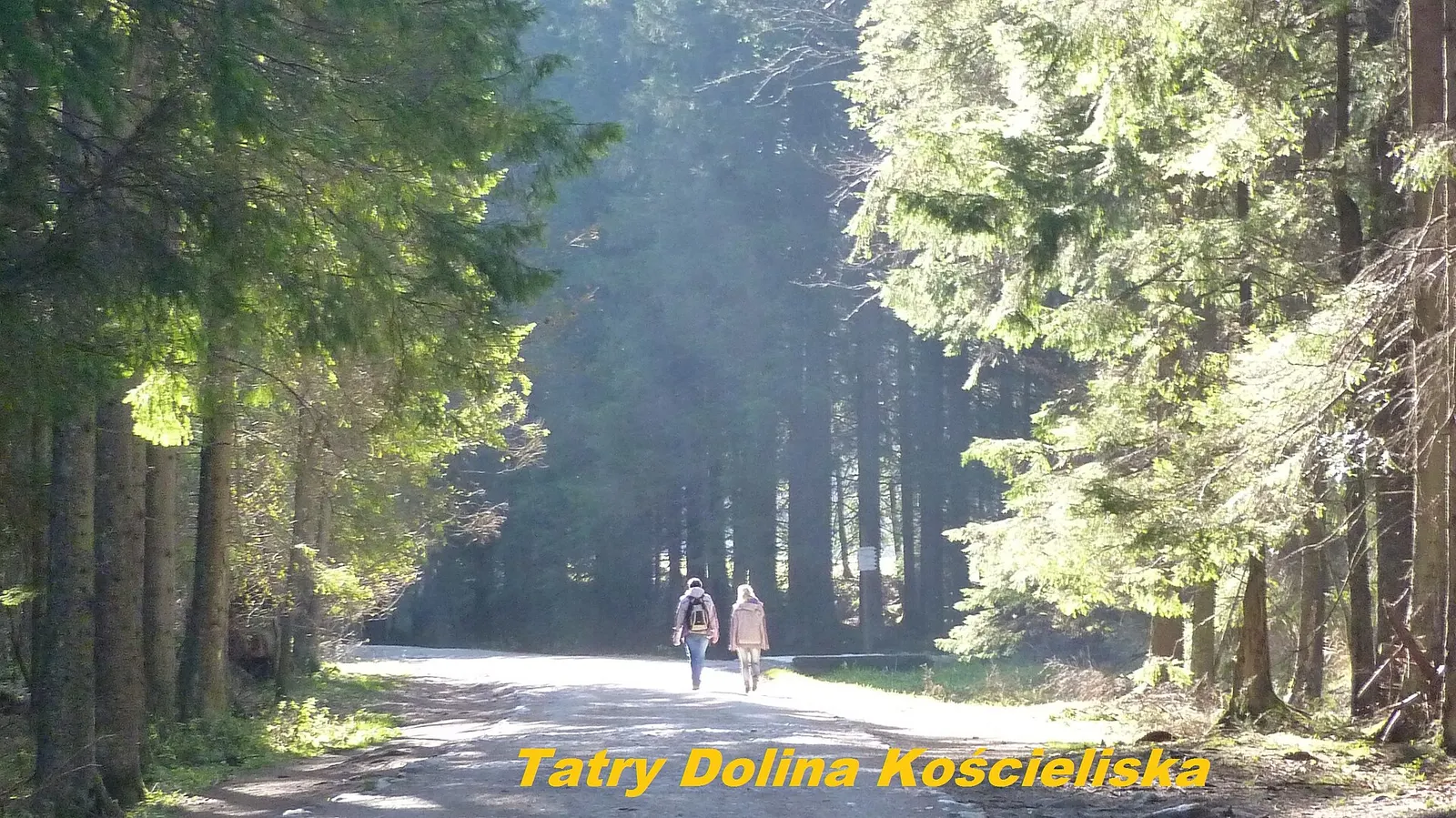
Kościeliska Valley
↗ 4.9 km awayKościeliska Valley in Kościelisko is an interesting stop connected with the area’s history, culture or landscape. Include it in a sightseein…
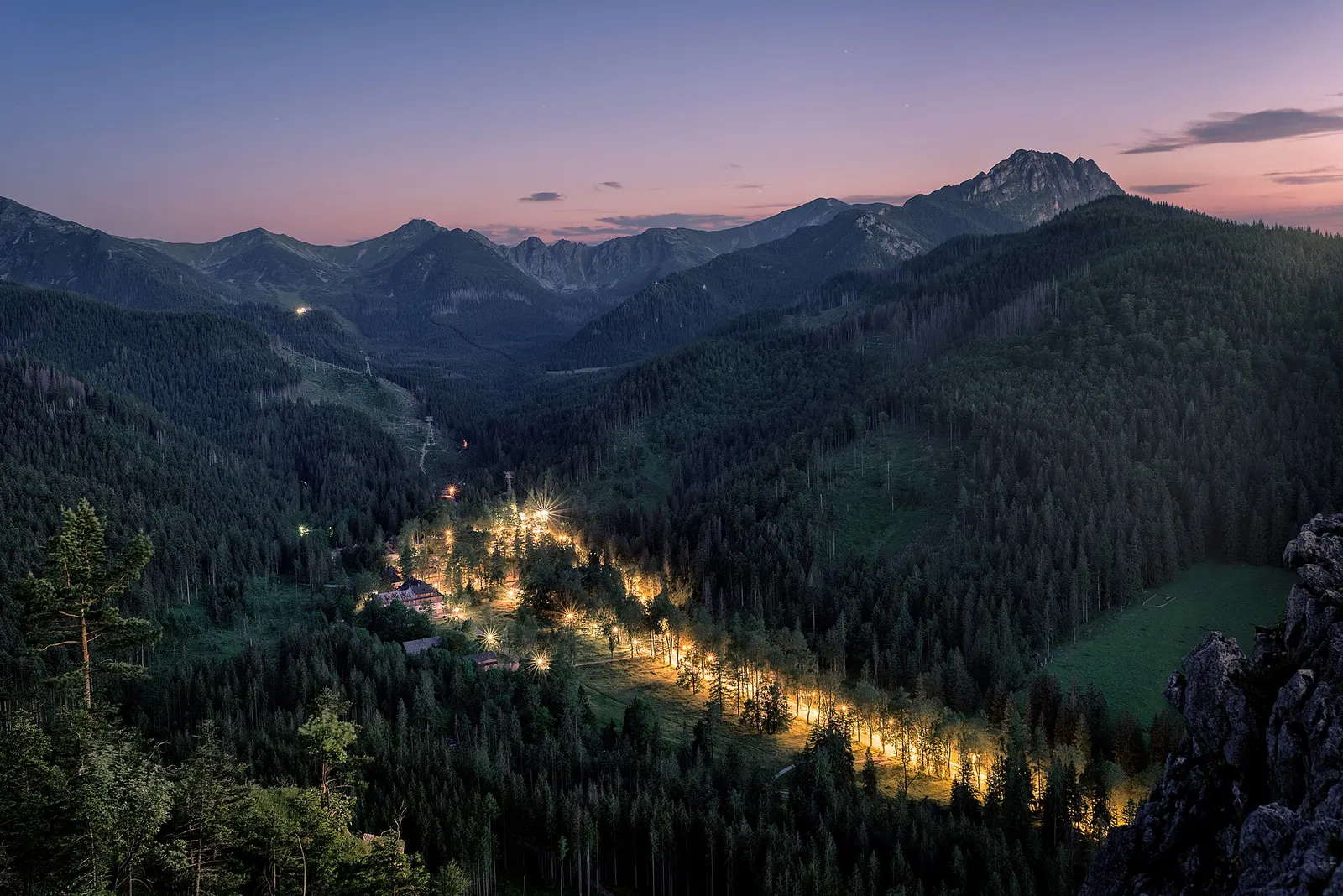
Nosal
↗ 5.0 km awayNosal is a mountain destination near Zakopane, popular with visitors looking for nature and scenic trails. Routes cross the region’s charact…
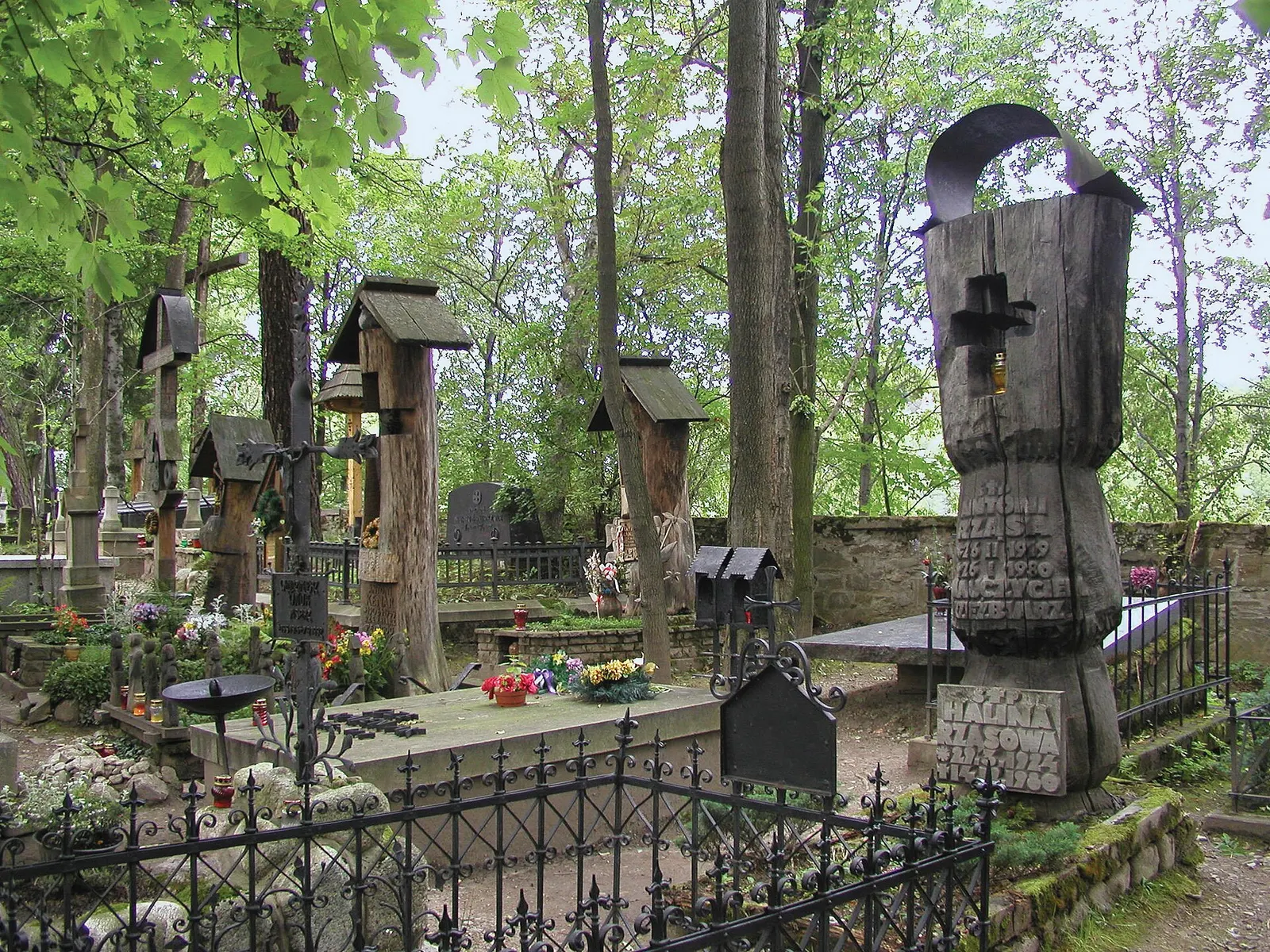
Pęksowy Brzyzek Cemetery in Zakopane
↗ 5.2 km awayPęksowy Brzyzek Cemetery in Zakopane in Zakopane is an interesting stop connected with the area’s history, culture or landscape. Include it …
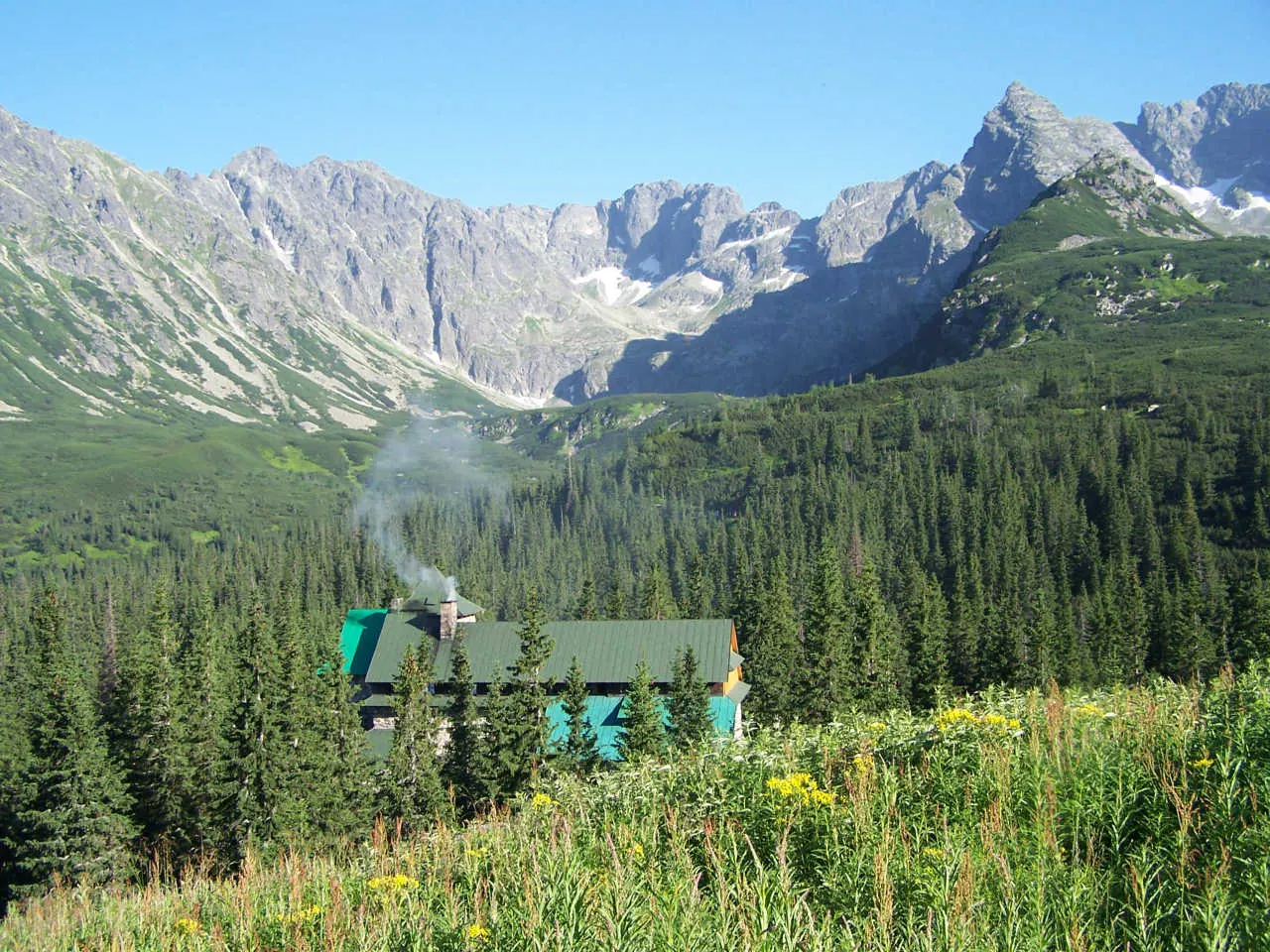
Dolina Gąsienicowa
↗ 5.7 km awayDolina Gąsienicowa in Zakopane is an interesting stop connected with the area’s history, culture or landscape. Include it in a sightseeing p…
Map
⚠️ Failed to load the map.
Open the list →