Central Museum of Textiles in Łódź
Fot. WrS.tm.pl, Zorro2212 , Public domain , Wikimedia Commons
Why visit?
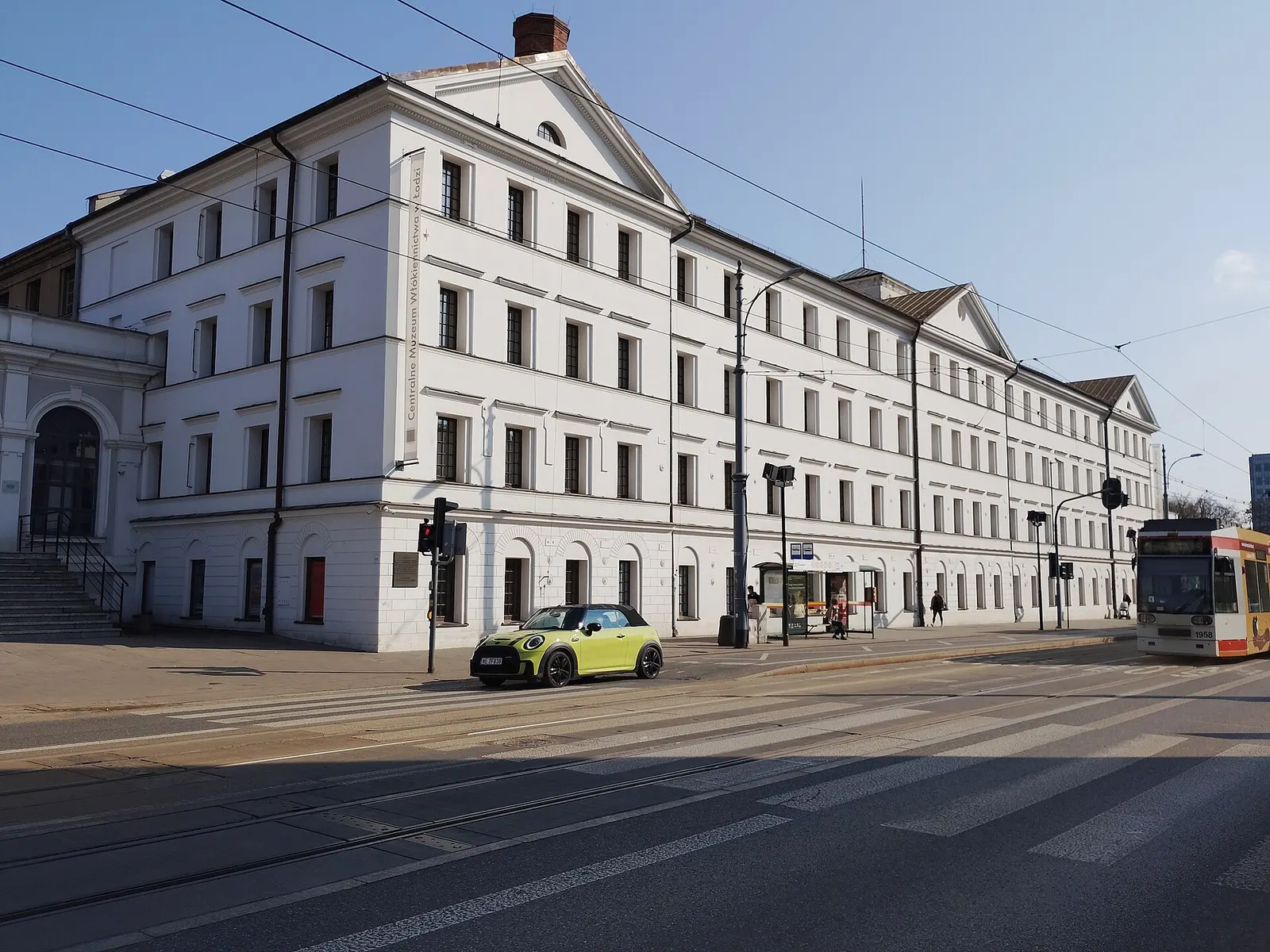
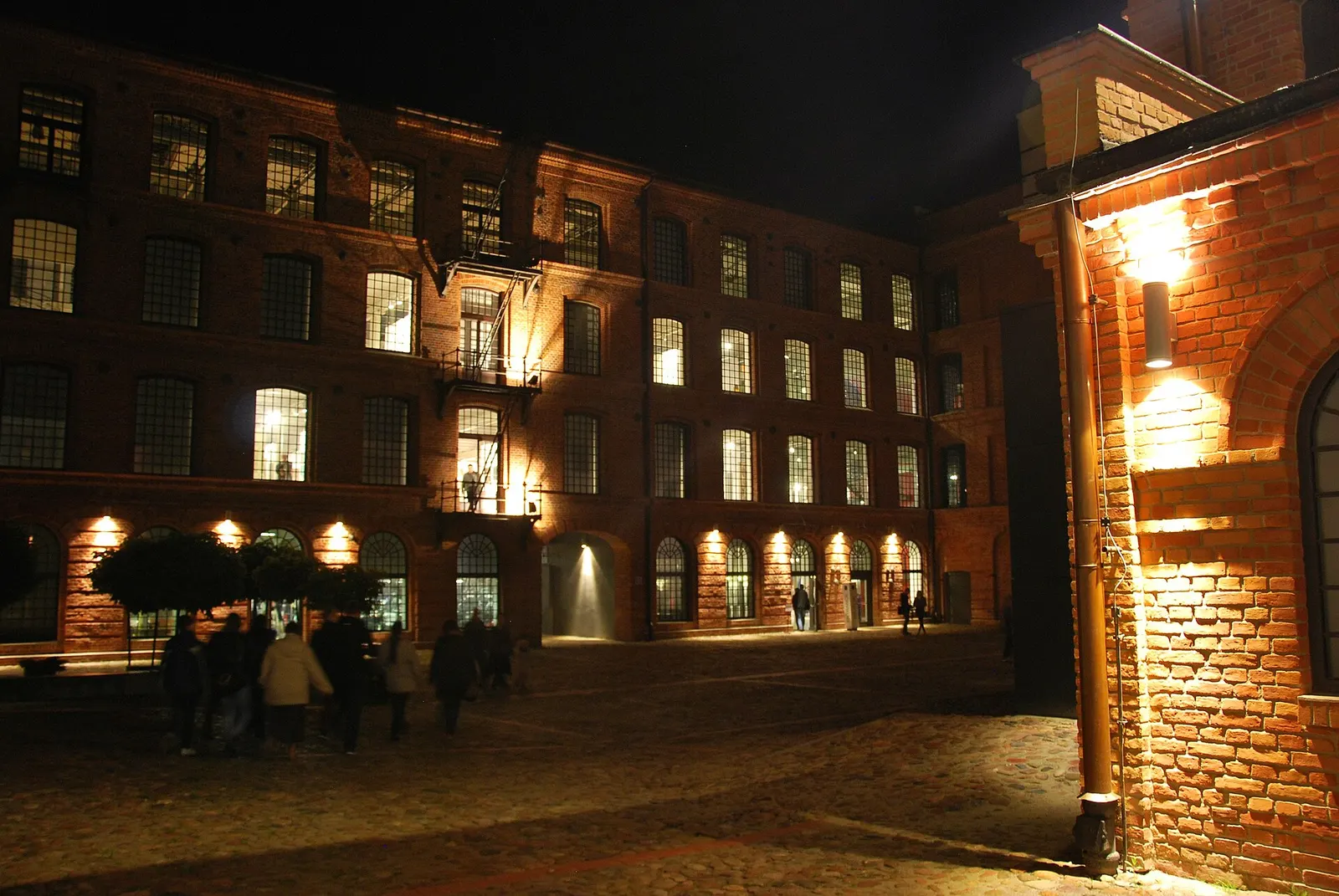
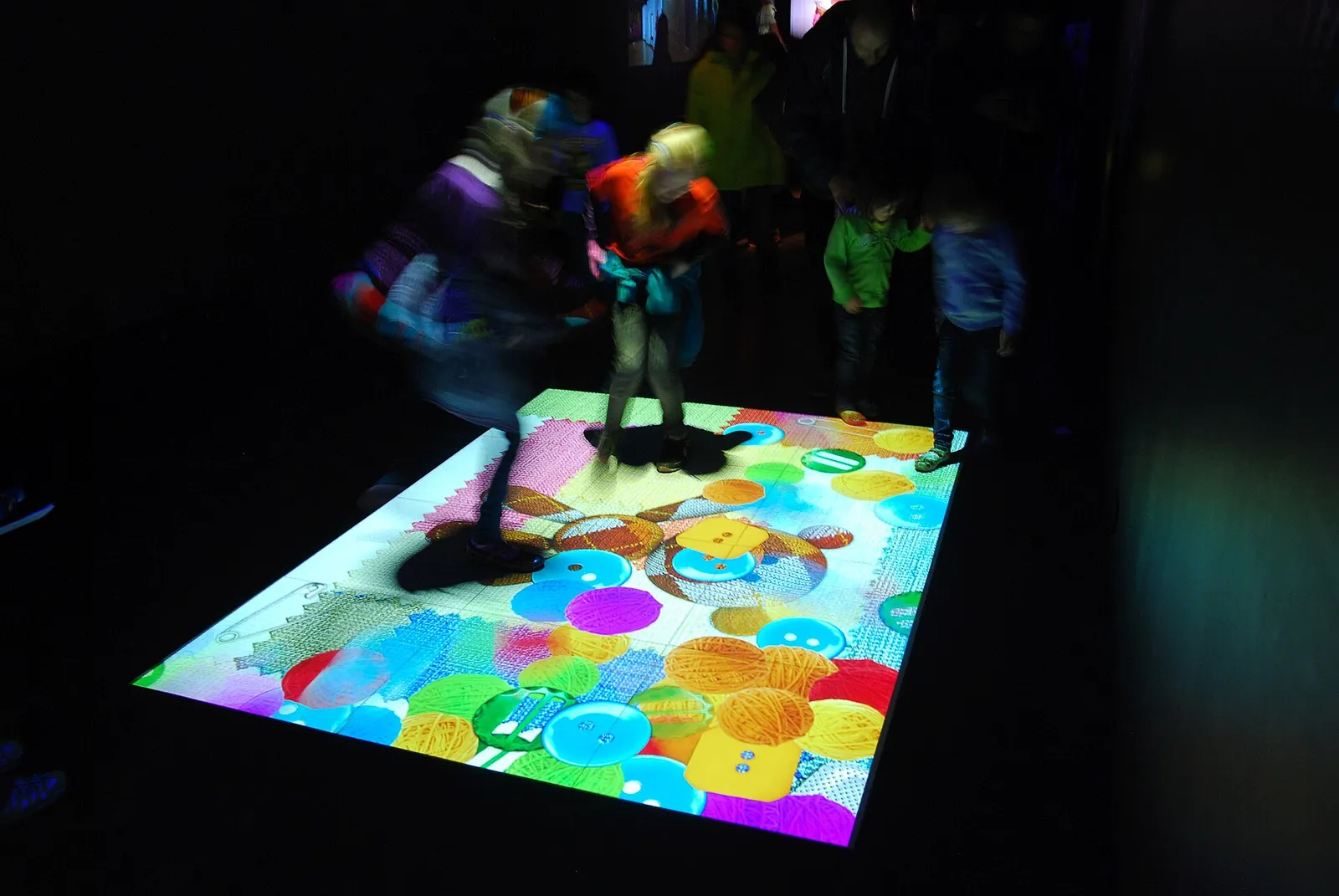
To understand how nineteenth-century Łódź transformed from a small town into a major industrial centre, start inside a real textile factory. The Central Museum of Textiles occupies Ludwik Geyer's White Factory, where Łódź's first steam engine was installed and the city's first factory chimney appeared. The historic complex is not simply a backdrop for museum displays – it is one of the most important exhibits itself. Today visitors can see historic looms operating, explore three floors devoted to the relationship between the city, machines and fashion, and walk through wooden houses relocated from different parts of Łódź. ## The White Factory Ludwik Geyer arrived in Łódź in 1828. Between 1835 and 1838 he constructed the large factory at today's 282 Piotrkowska Street. Unlike the red-brick factories that later became characteristic of Łódź, Geyer's building was covered in light plaster – hence the name White Factory. The complex became home to Łódź's first mechanised cotton spinning and weaving operation. Geyer also installed the city's first steam engine here, a milestone in the mechanisation of local industry. Additional wings were built in the nineteenth century, eventually forming the large four-winged complex with an inner courtyard and former boiler house visible today. ## From factory to museum The idea of creating a textile museum in Łódź emerged in 1946. A weaving department was established within the Museum of Art in 1952 and moved to the White Factory in 1955. In 1960 it became an independent institution known as the Museum of Textile History. The present name, Central Museum of Textiles, was adopted in 1975. Its founder and first director was Krystyna Kondratiuk. ## CITY – FASHION – MACHINE The permanent exhibition CITY – FASHION – MACHINE spreads over three floors. Rather than presenting a simple chronological history, it connects industrial technology with fashion, labour, urban development and everyday life. Historic machines illustrate the processing of wool, cotton and linen, while other sections explore textile designs, fashion and the rapidly changing city around the factories. ## Machinery in Motion One of the museum's highlights is the Machinery in Motion room. It contains six looms dating from the turn of the nineteenth and twentieth centuries and two machines from the 1970s. The historic machinery is actually operated for visitors. Demonstrations take place every hour: the first starts at 13:00, while the final presentation begins one hour before the museum closes. The noise and movement make it much easier to imagine the demanding environment of an old Łódź weaving mill. ## Łódź Microhistories. Human Microhistories Behind the main factory complex lies the Łódź City Culture Park, a group of historic buildings relocated from different parts of the city and surrounding area. Eight historic structures stand along small cobbled streets, including five wooden houses containing the permanent exhibition “Łódź Microhistories. Human Microhistories”. Instead of focusing on famous industrialists, the exhibition tells the stories of ordinary residents, factory workers, craftspeople and families from different cultural backgrounds. The interiors were inspired by memoirs, family recollections and oral-history interviews. ## The Last Summer The Last Summer is located inside a historic villa originally standing in Ruda Pabianicka. It recreates the atmosphere of leisure and summer holidays in the 1930s, when residents of industrial Łódź escaped the noise and smoke of the city for nearby resorts. Most objects are original, while some were carefully recreated as replicas visitors can interact with. ## Art, fashion and textiles The museum collection contains more than 23,500 inventory entries. Its holdings range from textile machinery and fabric samples to fashion, ethnographic textiles and major examples of textile art. The museum is also closely associated with the International Triennial of Textile, held internationally in Łódź since 1975 and devoted to contemporary textile art. ## What to look for * the light façade that gave the White Factory its name, * the historic factory chimney, * the former boiler house and industrial courtyard, * operating historic looms, * textile samples and machinery, * reconstructed interiors inside the wooden houses, * the contrast between the industrial factory and the small-scale wooden city. ## Interesting facts * The White Factory was built between 1835 and 1838. * Łódź's first mechanised cotton spinning and weaving operation worked here. * The city's first steam engine and first factory chimney were installed in the complex. * The museum became independent in 1960 and adopted its present name in 1975. * Its collection contains more than 23,500 inventory entries. * The Łódź City Culture Park contains eight historic buildings. * The International Triennial of Textile has had an international format since 1975. * The White Factory is an Anchor Point on the European Route of Industrial Heritage. ## Practical information **Address:** 282 Piotrkowska Street, 93-034 Łódź. The main entrance is on Piotrkowska Street; a second entrance is accessible from Milionowa Street. **GPS:** approx. 51.7452, 19.4619. The museum is closed on Mondays and Tuesdays. It is open Wednesday to Friday from 12:00–17:00 or 12:00–19:00, Saturday 11:00–18:00 and Sunday 11:00–17:00. Permanent exhibitions are free on Wednesdays, although visitors must collect a free ticket from the ticket desk. The hours above are the standard schedule. A notice confirmed on 5 September 2026 stated that the museum would exceptionally close at 17:00 on 4–5 September; always check the latest announcement before travelling. Tickets for all available exhibitions cost PLN 55 regular and PLN 39 reduced. An individual permanent exhibition costs PLN 22 regular and PLN 15 reduced. Audio guides for selected permanent exhibitions cost PLN 5 per exhibition. Paid parking spaces are available in front of the museum on Piotrkowska Street. A free museum car park is accessible from Milionowa Street; from there visitors walk several hundred metres, partly over cobblestones. Bicycle racks are located at both entrances. Most museum buildings are accessible for visitors with reduced mobility, although cobbled surfaces in the park can make movement more difficult. Allow around 3 hours for the museum and the park. ## Tripto tip Check the time of the next Machinery in Motion demonstration as soon as you arrive. The looms are started every hour from 13:00, so it is best to plan the rest of your visit around the demonstration. If you have more time, do not stop at the main building – the Łódź City Culture Park is an integral part of the visit. ## Combine your visit with: * Władysław Reymont Park * Księży Młyn * Herbst Palace * Piotrkowska Street * OFF Piotrkowska * EC1 Łódź
What you’ll see
- autentyczna Biała Fabryka Ludwika Geyera
- działające krosna w Sali maszyn w ruchu
- wystawa MIASTO – MODA – MASZYNA
- drewniane domy Łódzkiego Parku Kultury Miejskiej
- ponad 23 500 pozycji inwentarzowych
GetYourGuide
Recommended tours and tickets
Discover recommended experiences, tickets and tours you can book online.
Affiliate link — we may earn a commission from bookings.
Nearby attractions
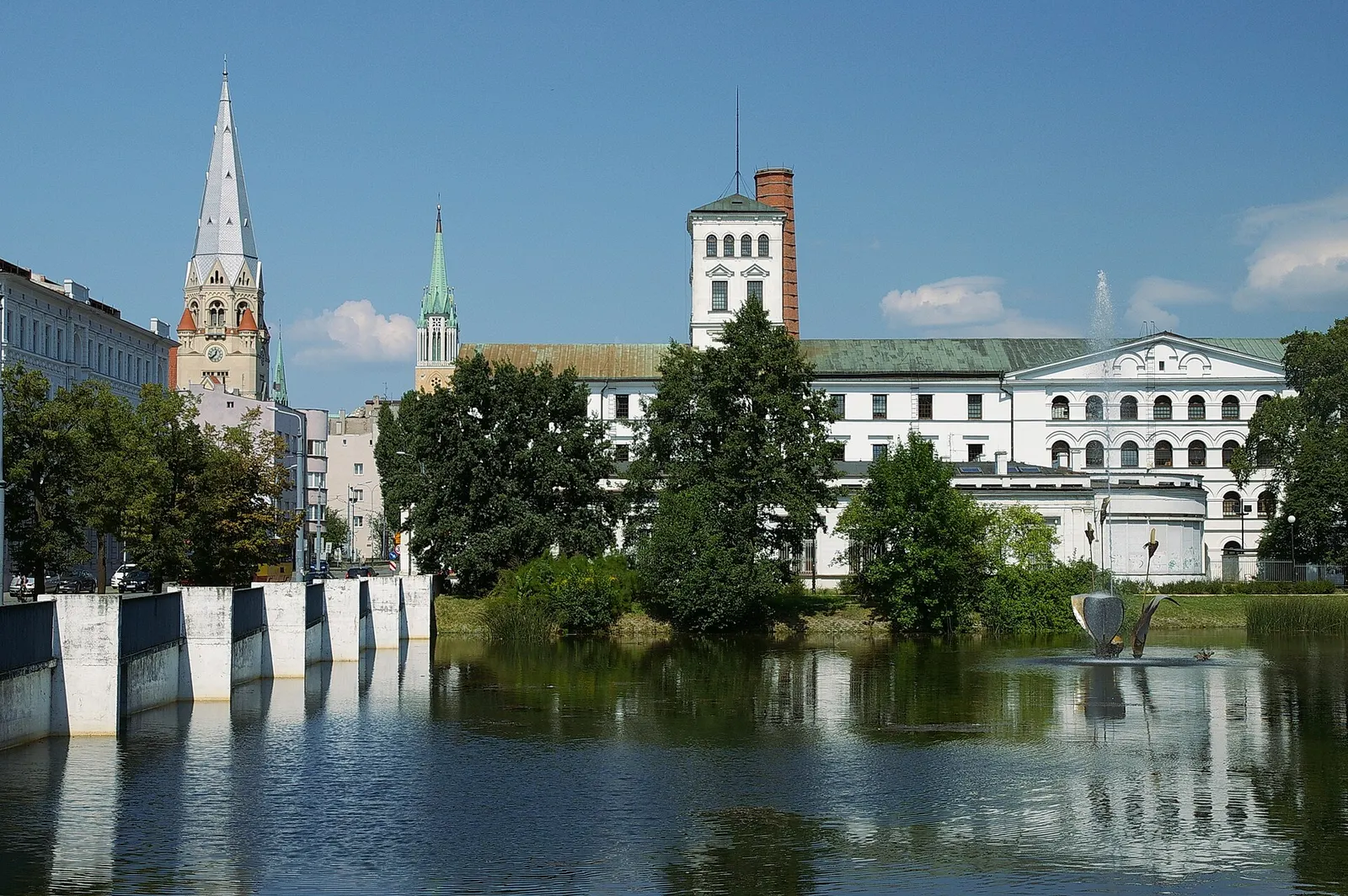
White Factory
↗ 0.0 km awayWhite Factory in Łódź is an interesting stop connected with the area’s history, culture or landscape. Include it in a sightseeing plan and c…
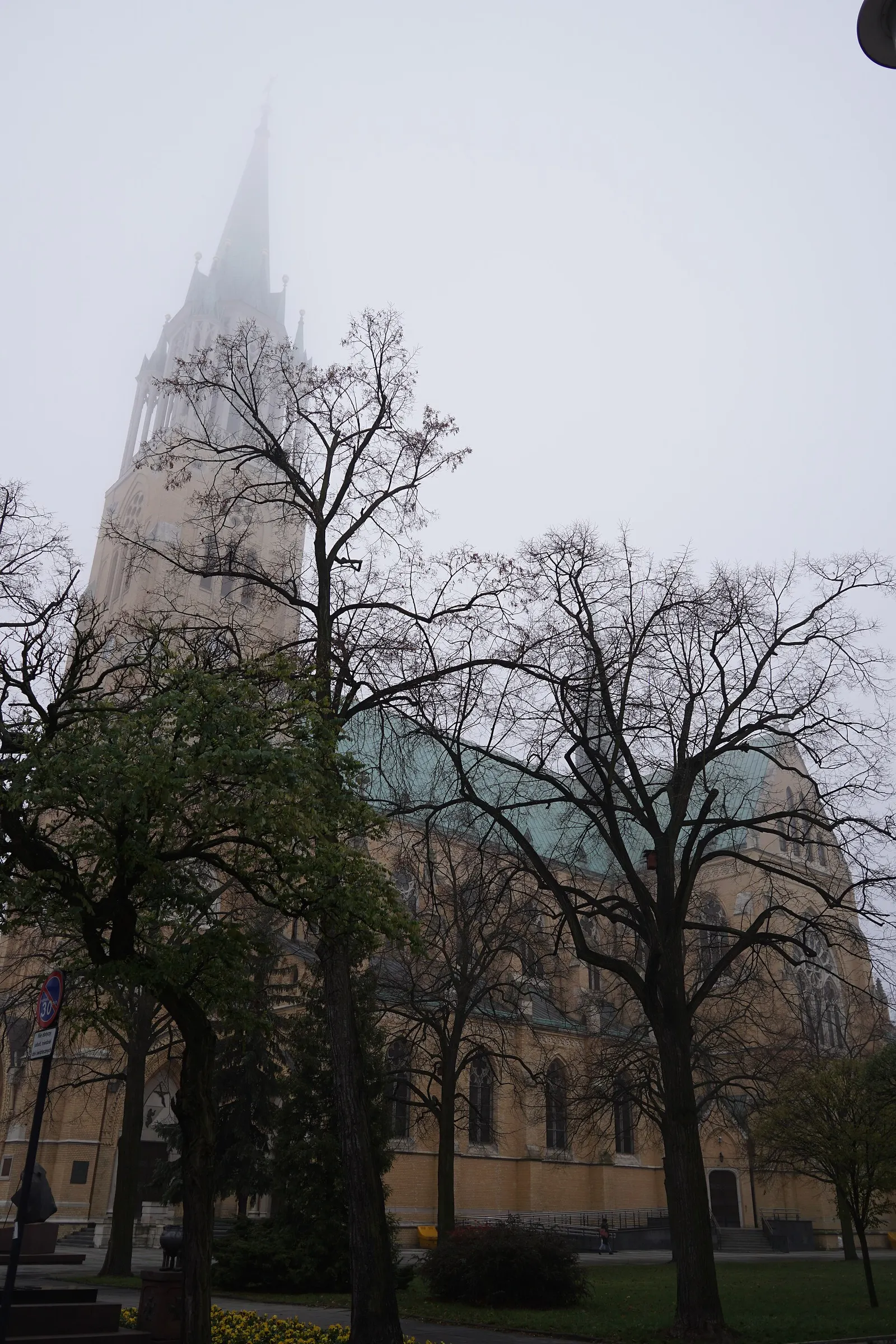
Archcathedral Basilica of St. Stanislaus Kostka, Łódź
↗ 0.4 km awayArchcathedral Basilica of St. Stanislaus Kostka, Łódź in Łódź is an interesting stop connected with the area’s history, culture or landscape…
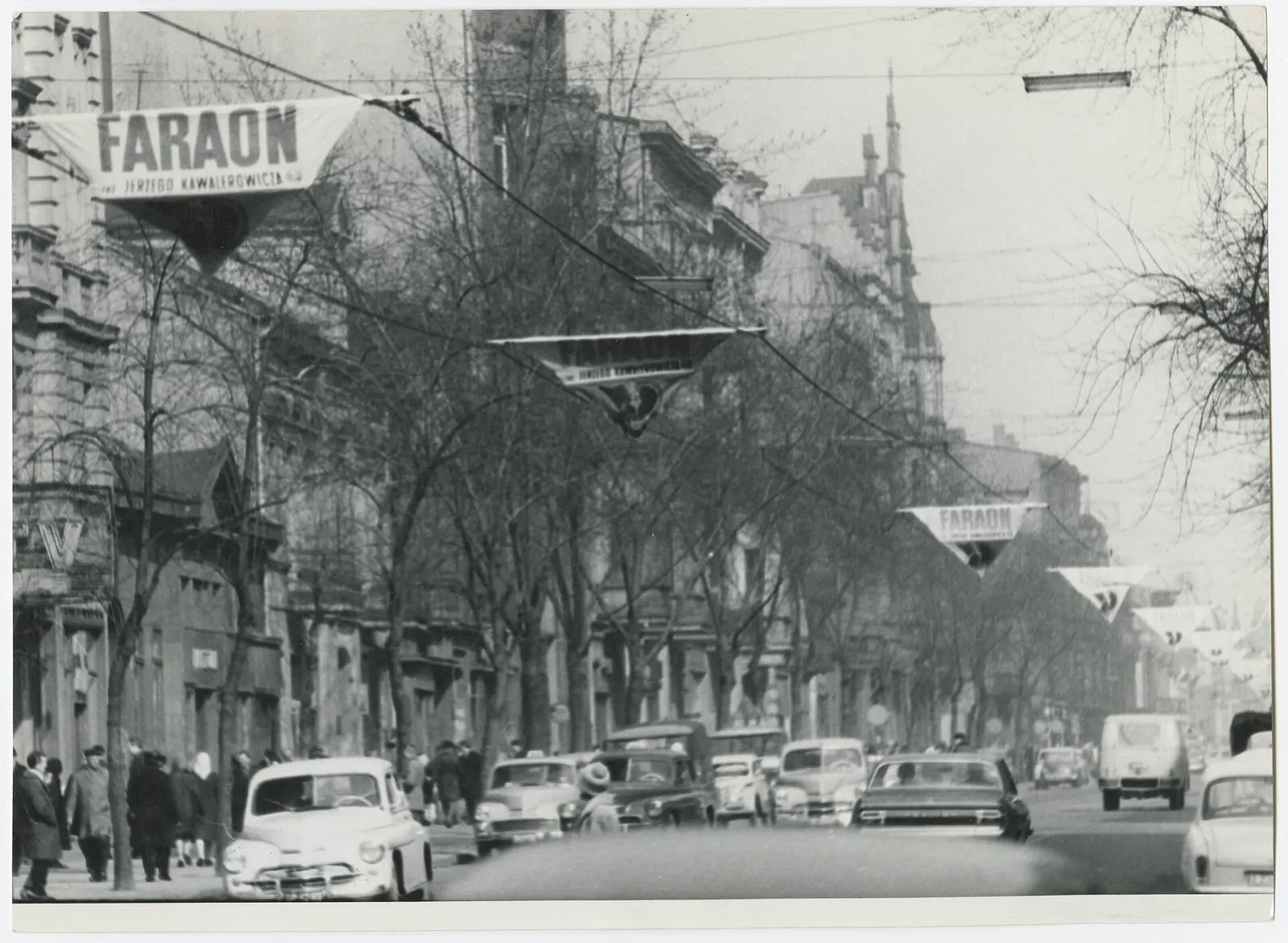
Piotrkowska Street
↗ 2.0 km awayPiotrkowska Street in Łódź is an interesting stop connected with the area’s history, culture or landscape. Include it in a sightseeing plan …
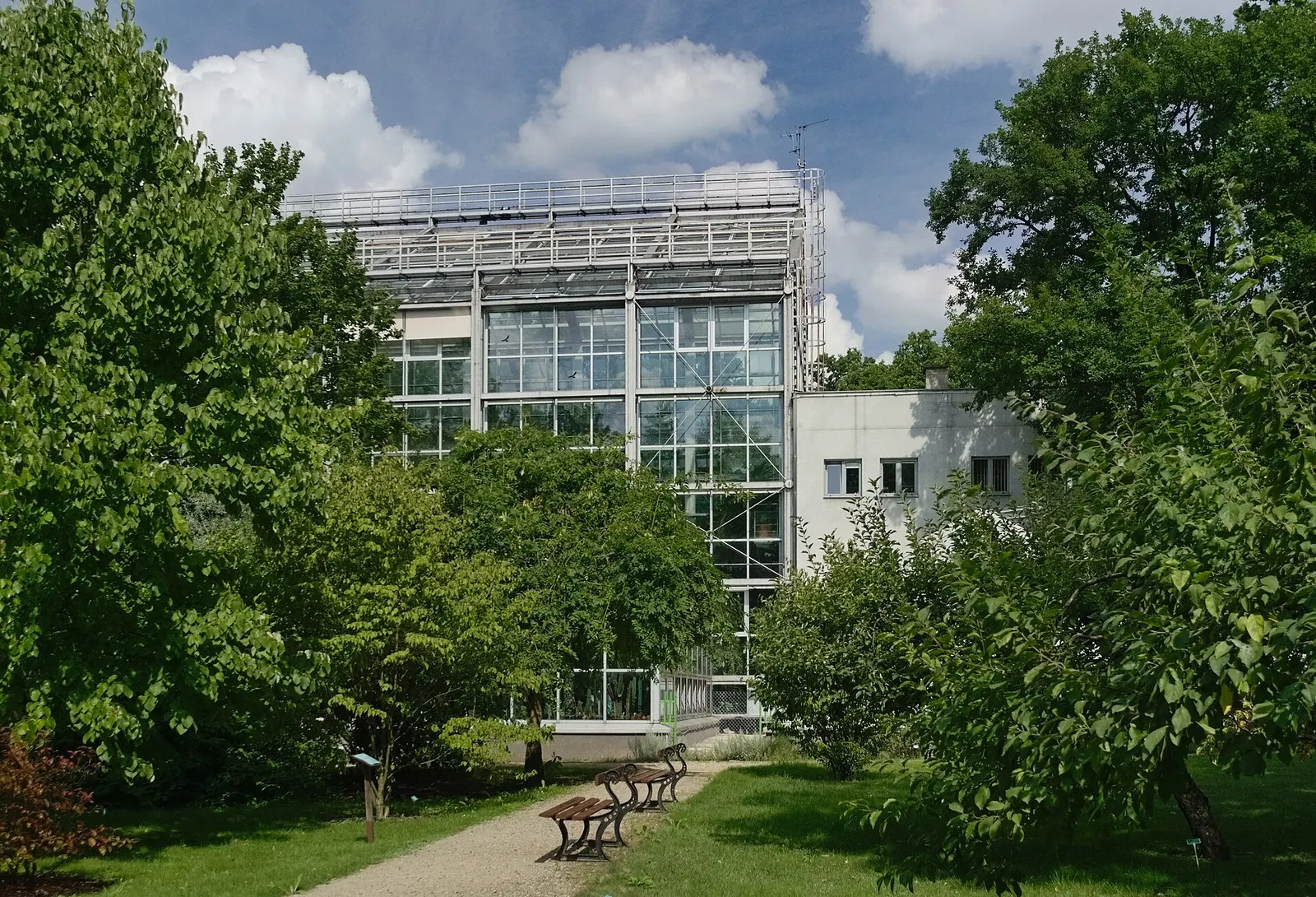
Palm House Lodzka
↗ 2.1 km awayPalm House Lodzka in Łódź offers an introduction to the history, culture or heritage of the area. Its displays bring together local objects,…
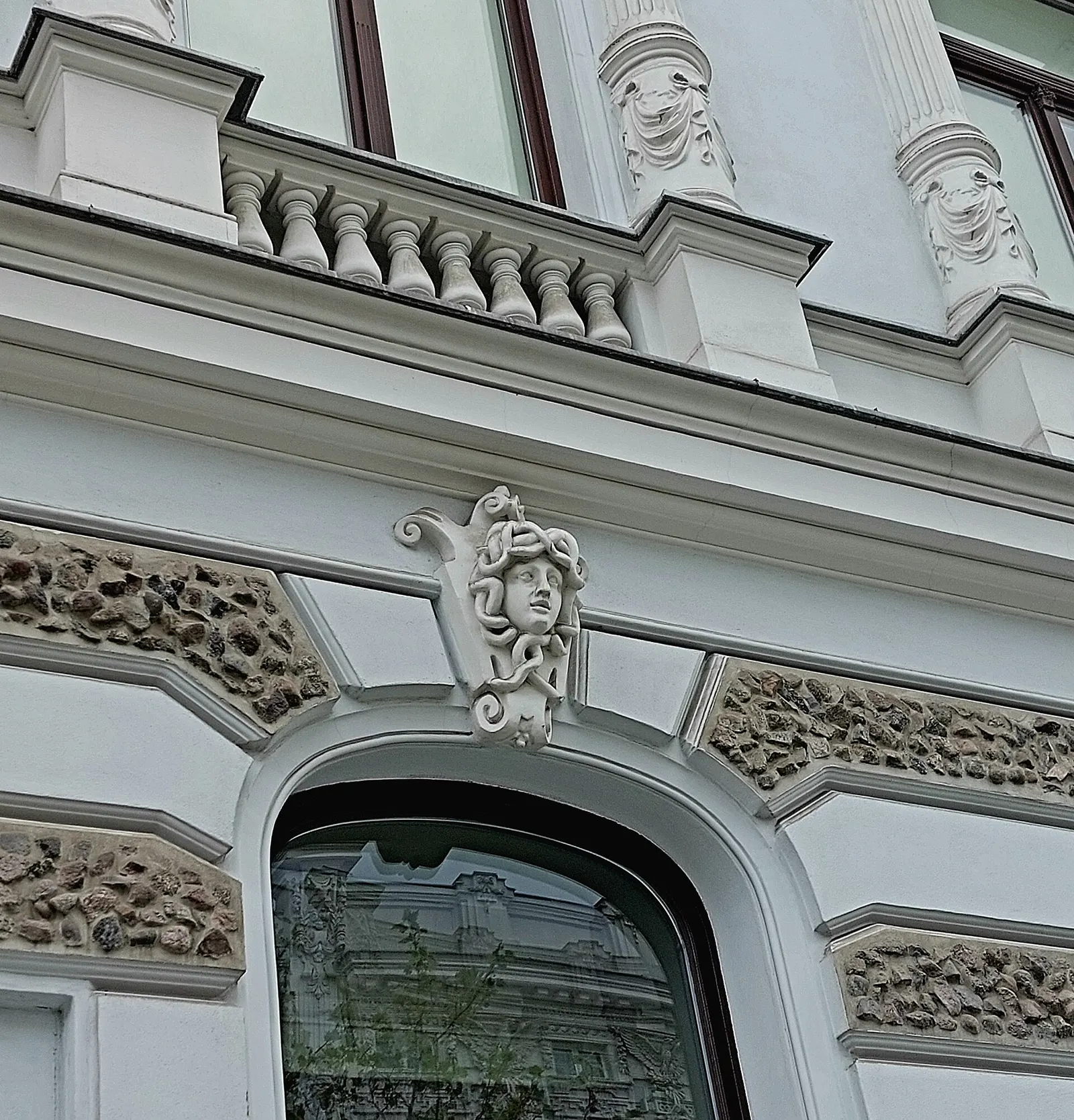
Juliusz Heinzl Palace
↗ 2.1 km awayJuliusz Heinzl Palace in Łódź is a historic residence whose architecture and surroundings recall the former owners of the region. Look for t…
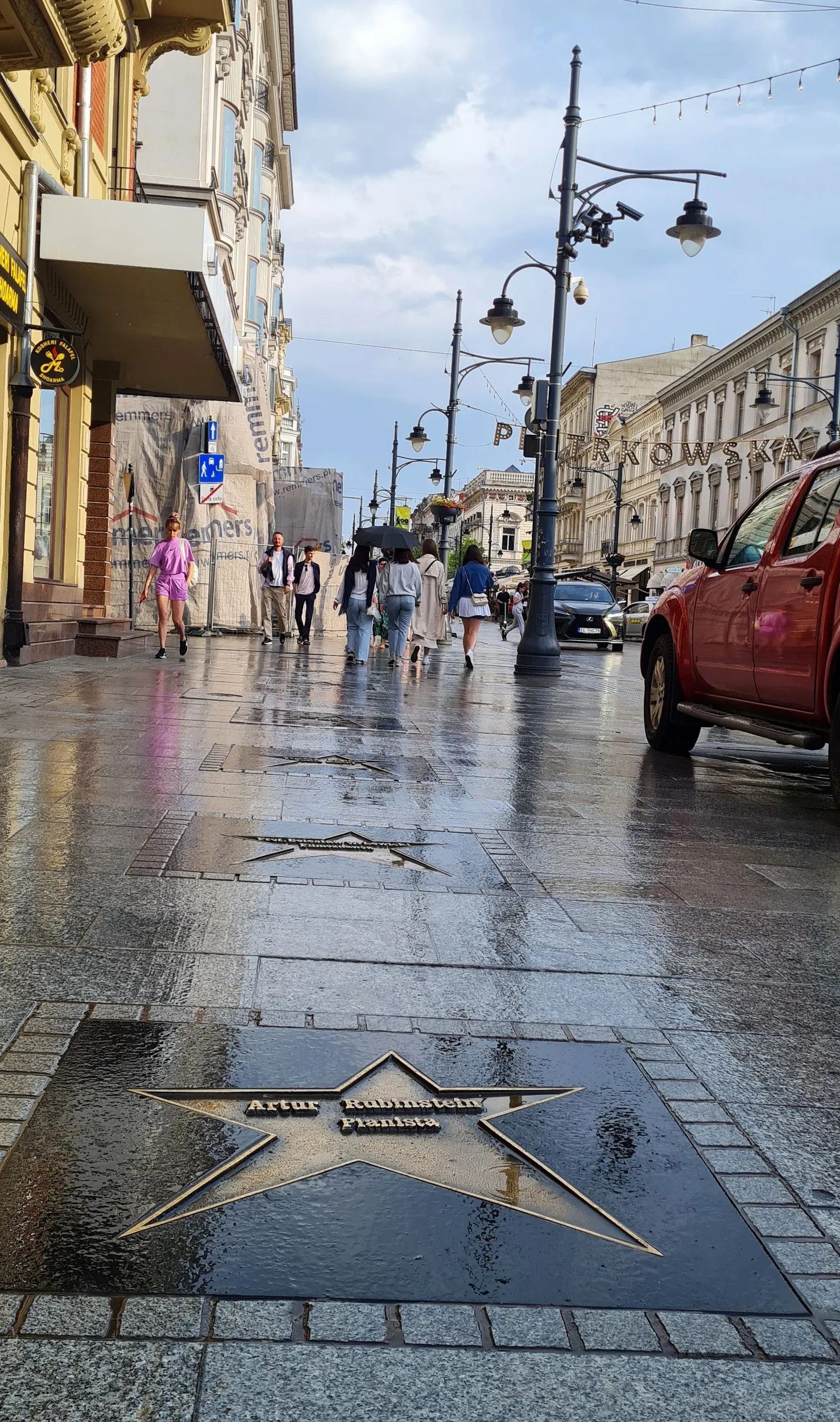
Aleja Gwiazd w Łodzi
↗ 2.5 km awayAleja Gwiazd w Łodzi in Łódź is an interesting stop connected with the area’s history, culture or landscape. Include it in a sightseeing pla…
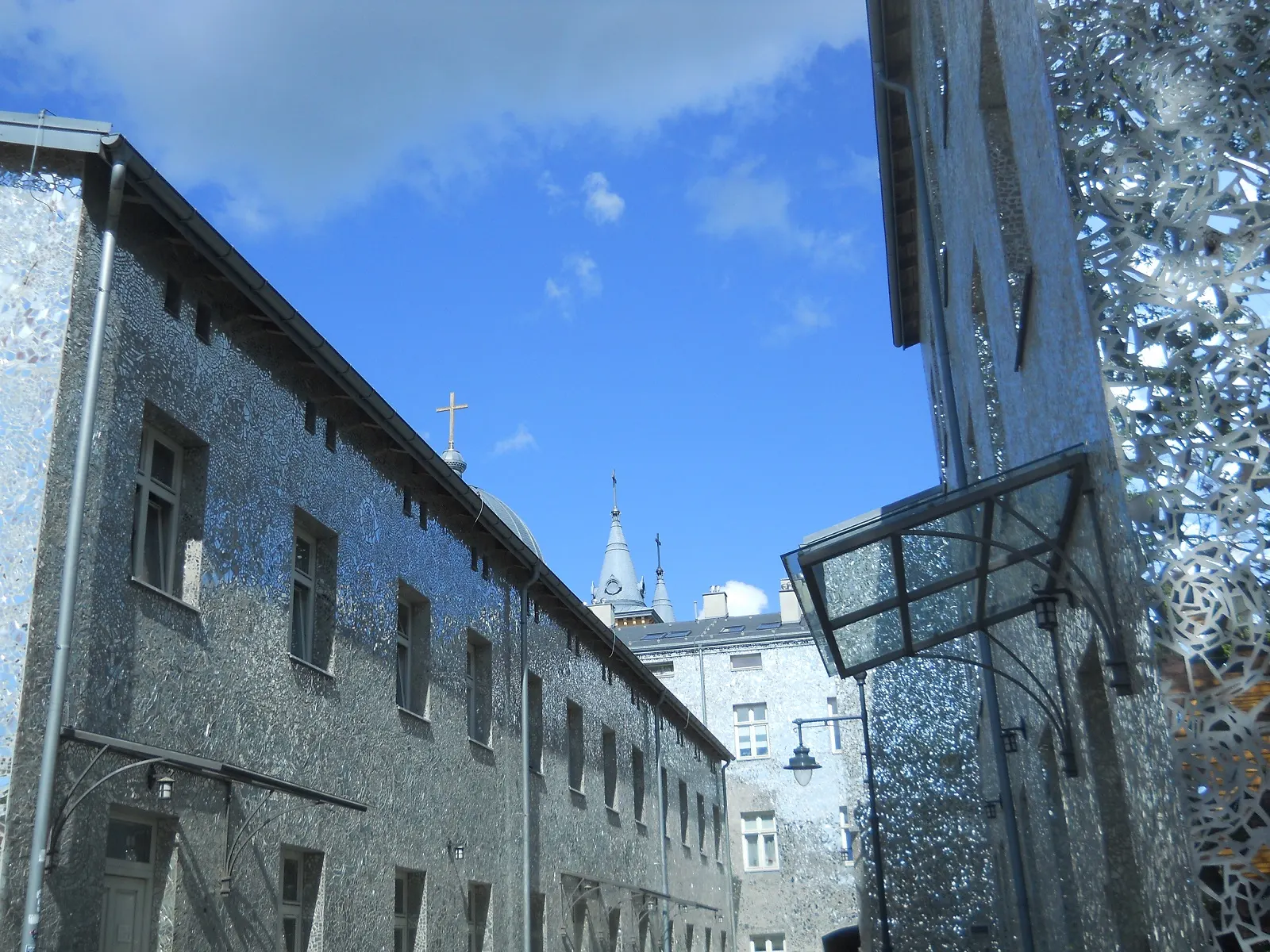
Rosa's Passage
↗ 3.4 km awayRosa's Passage in Łódź is an interesting stop connected with the area’s history, culture or landscape. Include it in a sightseeing plan and …
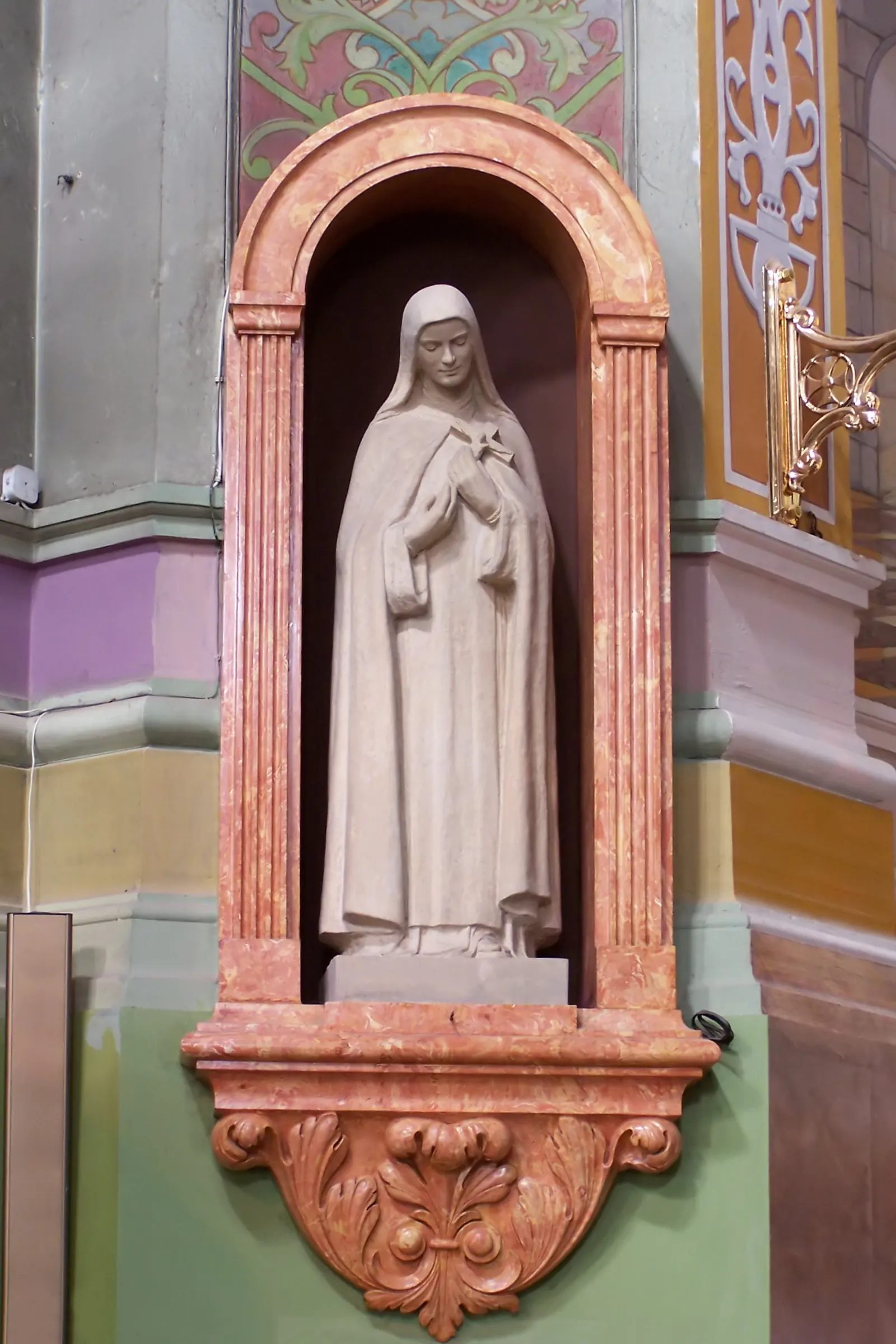
Holy Spirit Church in Łódź
↗ 3.4 km awayHoly Spirit Church in Łódź in Łódź is an interesting stop connected with the area’s history, culture or landscape. Include it in a sightseei…
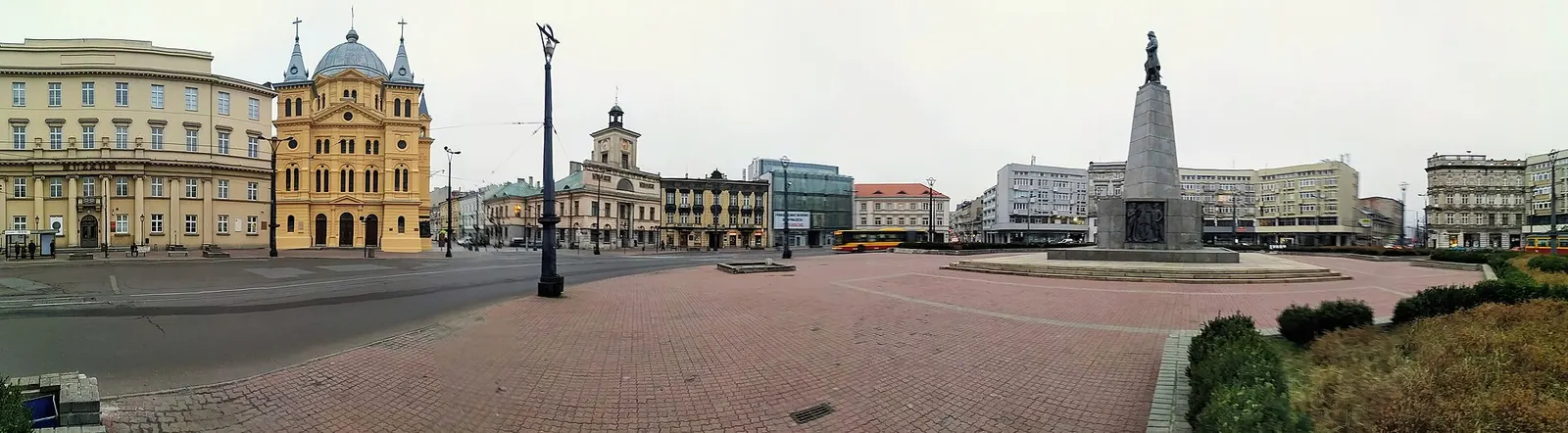
Freedom Square
↗ 3.5 km awayFreedom Square in Łódź is an interesting stop connected with the area’s history, culture or landscape. Include it in a sightseeing plan and …
Map
⚠️ Failed to load the map.
Open the list →