Auschwitz I Memorial
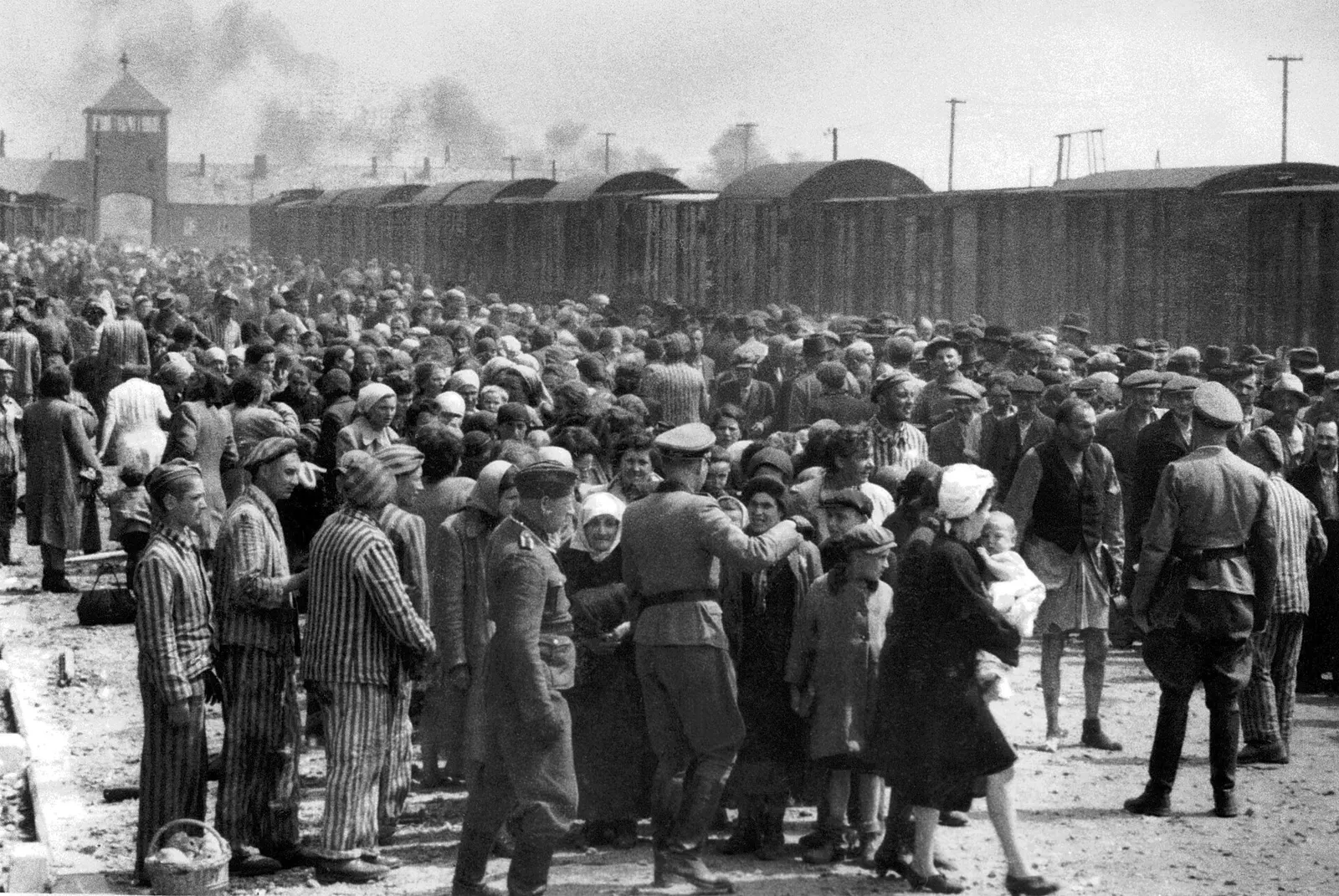
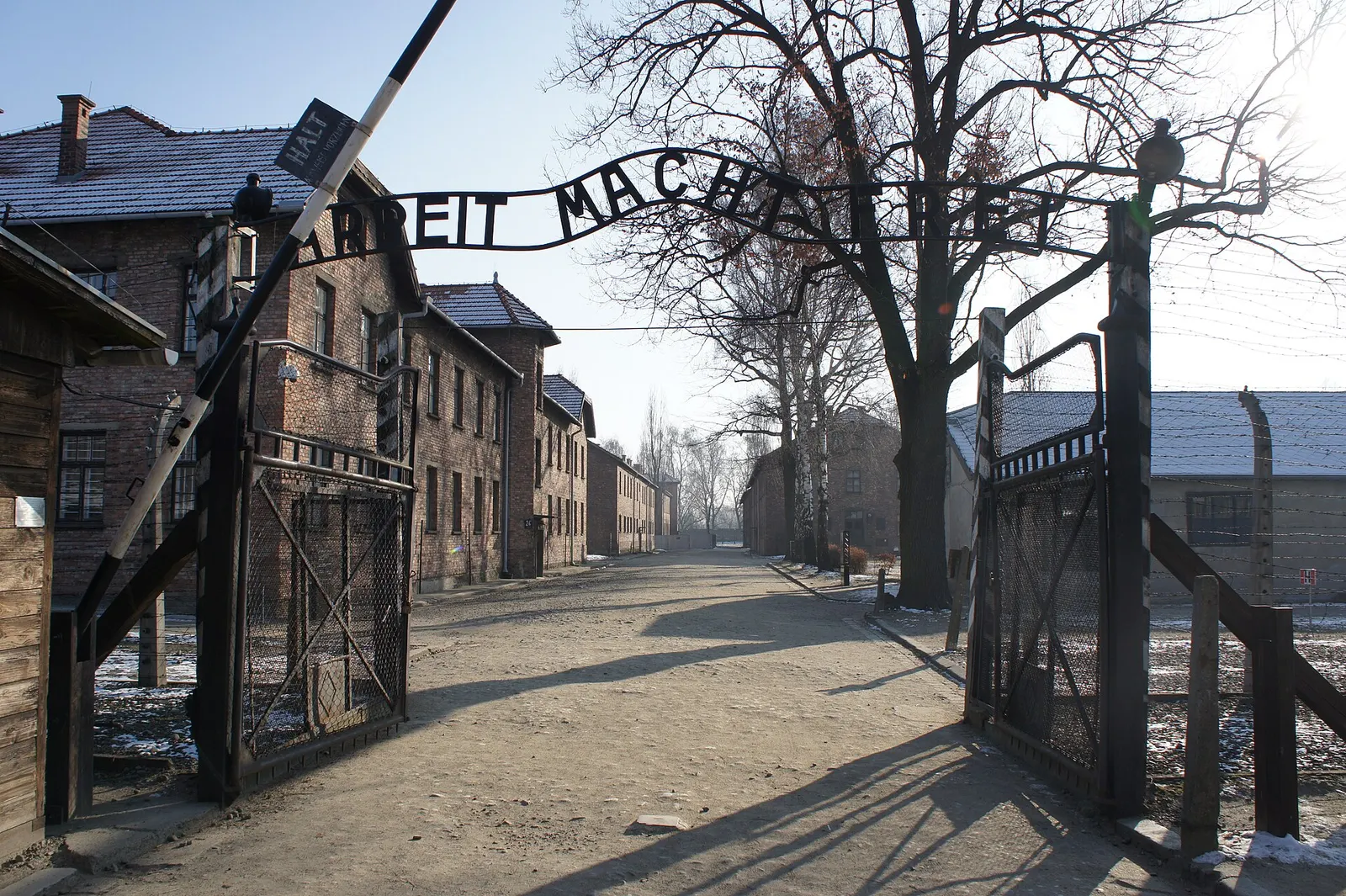
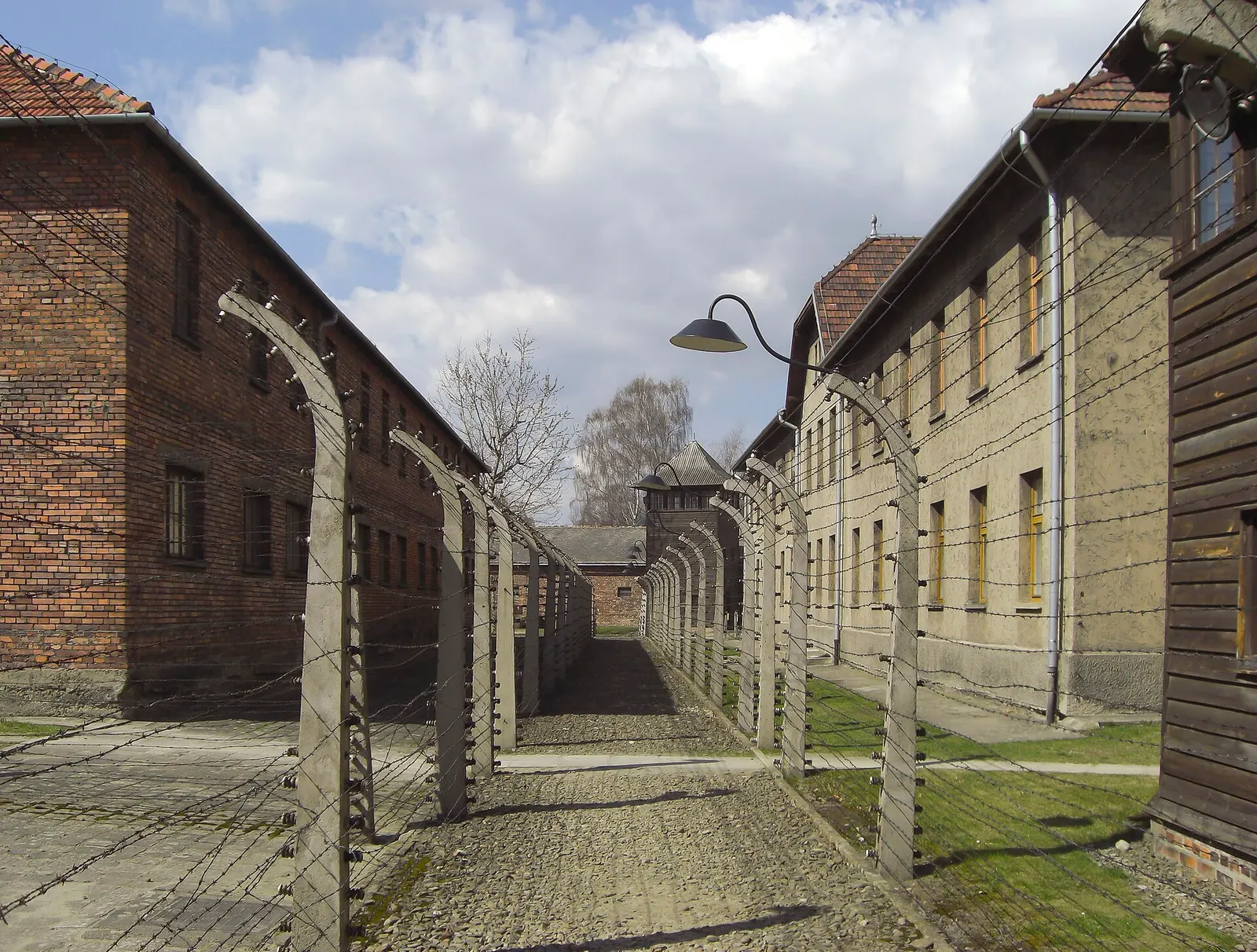
Fot. Bernhard Walter, Bibi595, Diego Delso , Public domain , Wikimedia Commons
Why visit?
Auschwitz I in Oświęcim is the oldest part of the complex in which Nazi Germany murdered more than 1.1 million people — mostly Jews, but also Poles, Roma and Soviet prisoners of war. The camp was set up in 1940 in former artillery barracks; today the preserved brick blocks house the Auschwitz-Birkenau State Museum, established by an act of the Polish parliament as early as 2 July 1947, less than two and a half years after the liberation. In 1979 the whole complex was inscribed on the UNESCO list as evidence of the crime of genocide. Behind the gate with the cast-iron inscription "Arbeit macht frei" begins a route you will never forget: Block 11, the so-called death block with cells where Zyklon B was first used on prisoners, the Death Wall between Blocks 10 and 11, and Crematorium I with a reconstructed gas chamber. National exhibitions and museum collections — suitcases with names, spectacles, everyday objects — turn an overwhelming statistic into individual human stories. Admission to the Memorial is free, but requires a personal entry pass reserved online at visit.auschwitz.org; the most complete way to understand the site is a paid tour with an educator covering both Auschwitz I and Birkenau. Book well in advance — several weeks in high season — and arrive at least 30 minutes before your slot (security checks; bags up to 35×25×15 cm only). Allow a minimum of 3.5 hours for both parts; the exhibitions are not recommended for visitors under 14.
What you’ll see
- Brama z napisem „Arbeit macht frei”
- Blok 11 i Ściana Śmierci
- Krematorium I z odtworzoną komorą gazową
- Ekspozycje narodowe w dawnych blokach więźniarskich
- Zbiory muzealne: walizki, okulary i przedmioty ofiar
GetYourGuide
Recommended tours and tickets
Discover recommended experiences, tickets and tours you can book online.
Affiliate link — we may earn a commission from bookings.
Nearby attractions
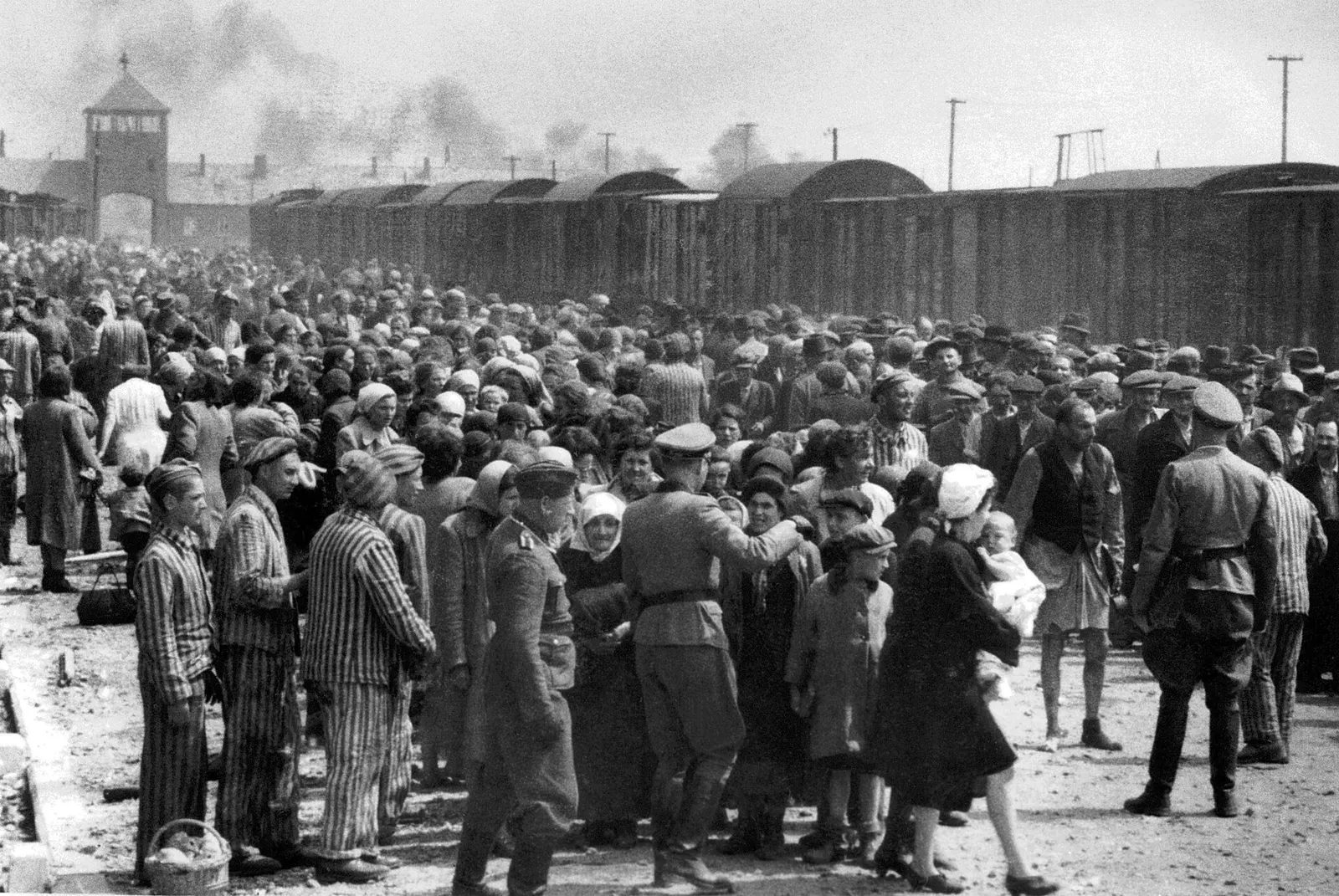
Auschwitz II-Birkenau
↗ 1.8 km awayAuschwitz II-Birkenau in Brzezinka is the largest and most haunting part of the complex of the German Nazi concentration and extermination c…
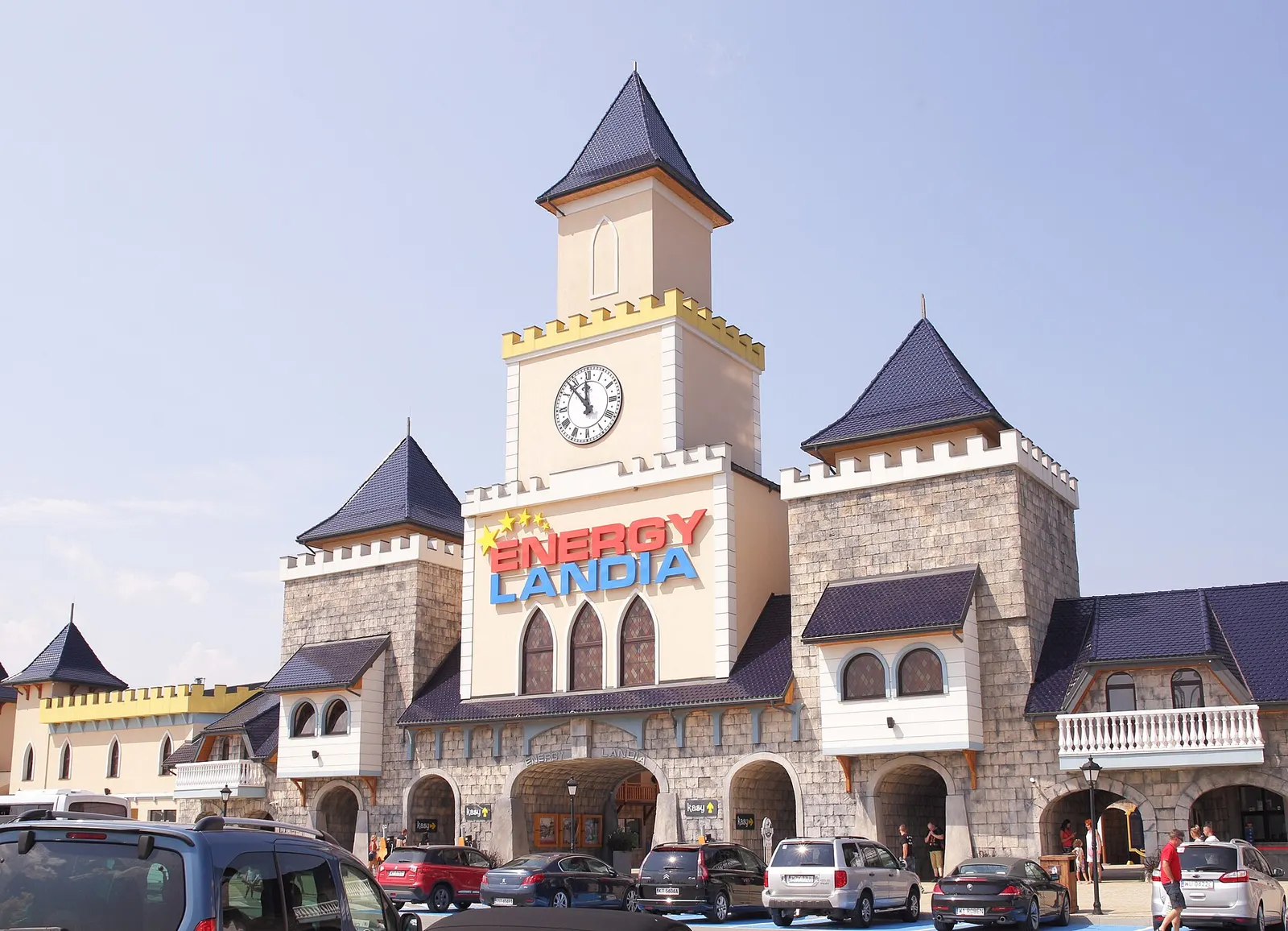
Hyperion
↗ 15 km awayHyperion in Zator is an interesting stop connected with the area’s history, culture or landscape. Include it in a sightseeing plan and combi…
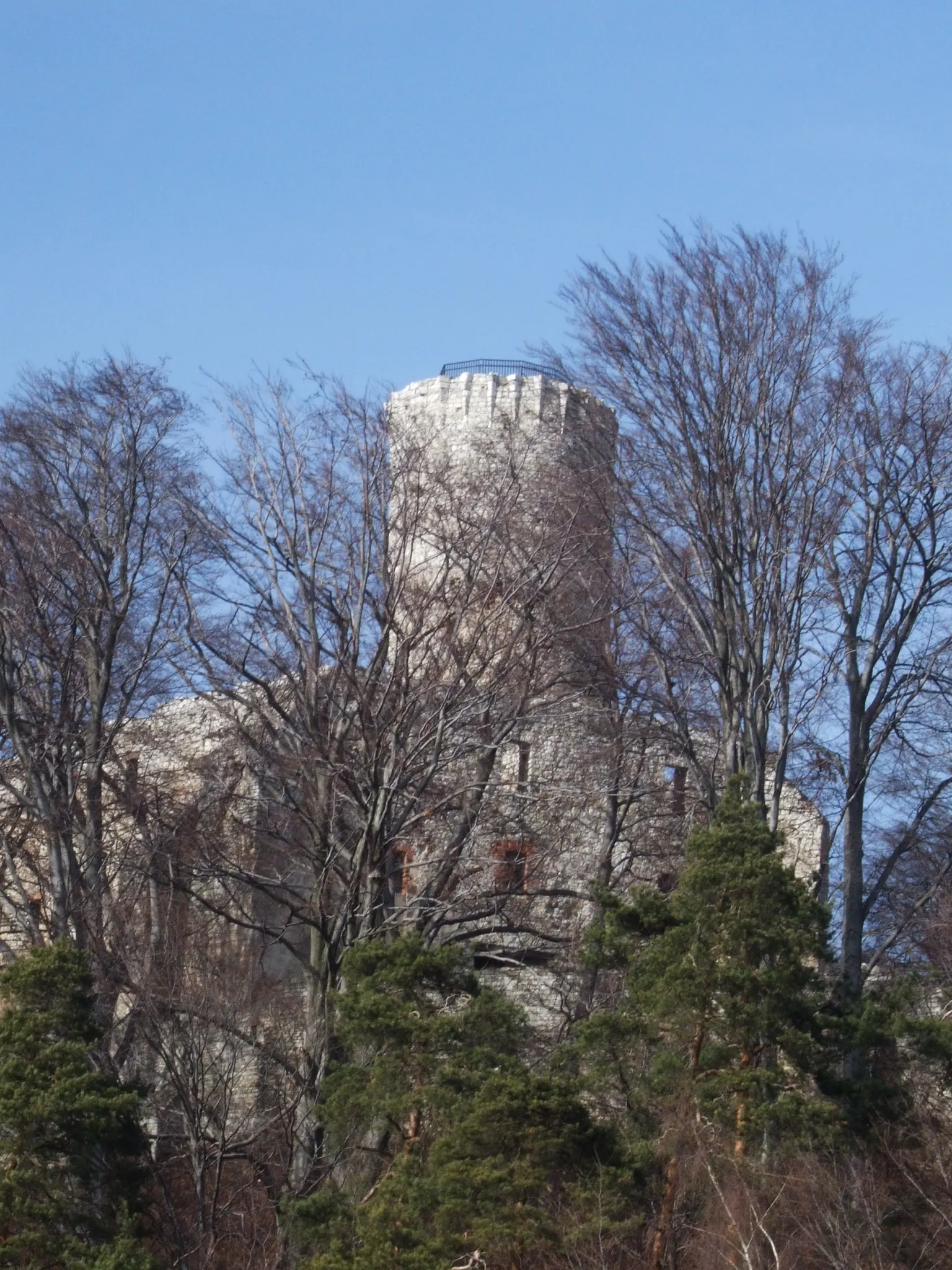
Lipowiec Castle
↗ 18 km awayLipowiec Castle in Babice is an interesting stop connected with the area’s history, culture or landscape. Include it in a sightseeing plan a…
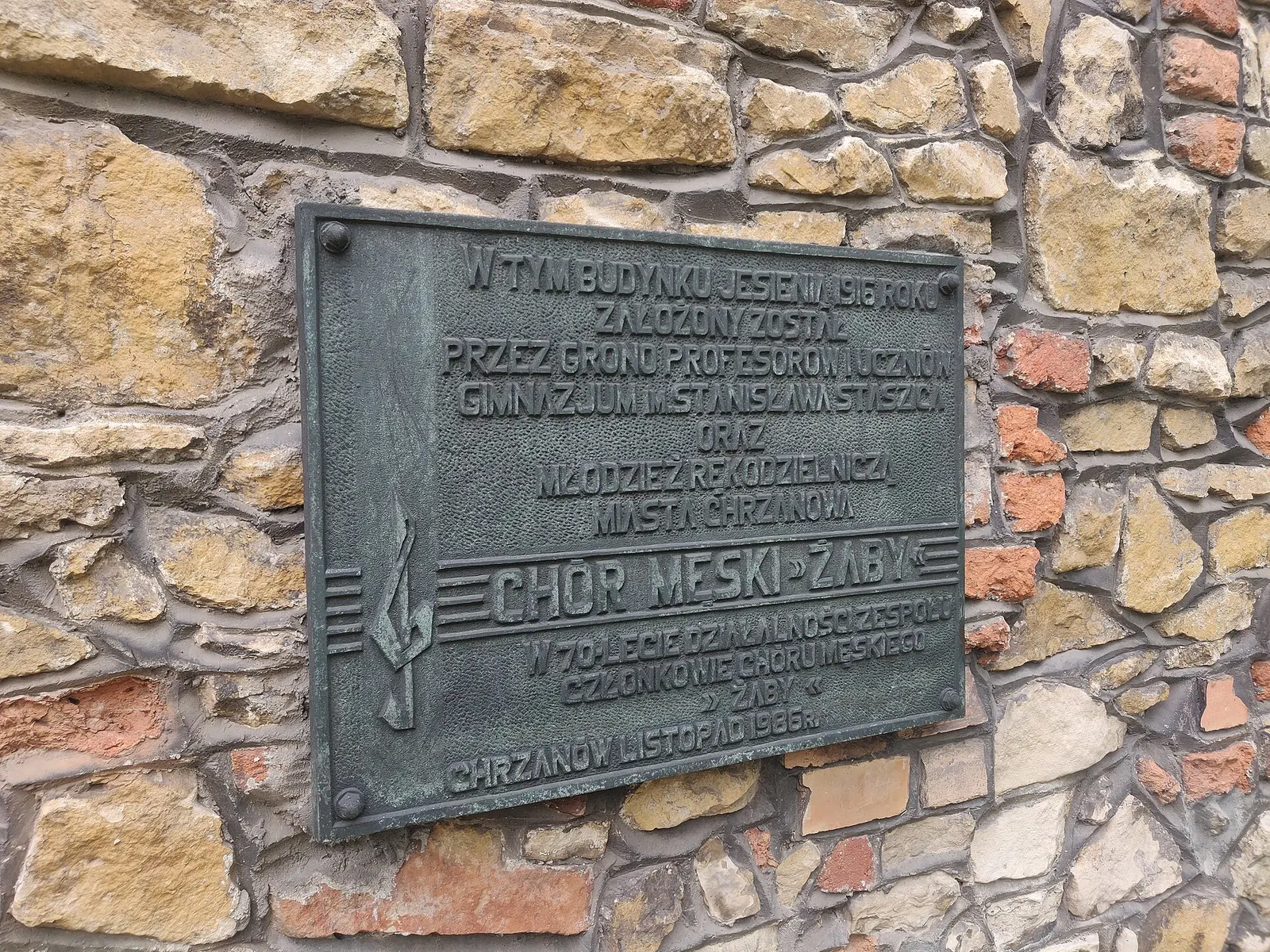
Irena and Mieczysław Mazaraki Museum
↗ 19 km awayIrena and Mieczysław Mazaraki Museum in Chrzanów offers an introduction to the history, culture or heritage of the area. Its displays bring …
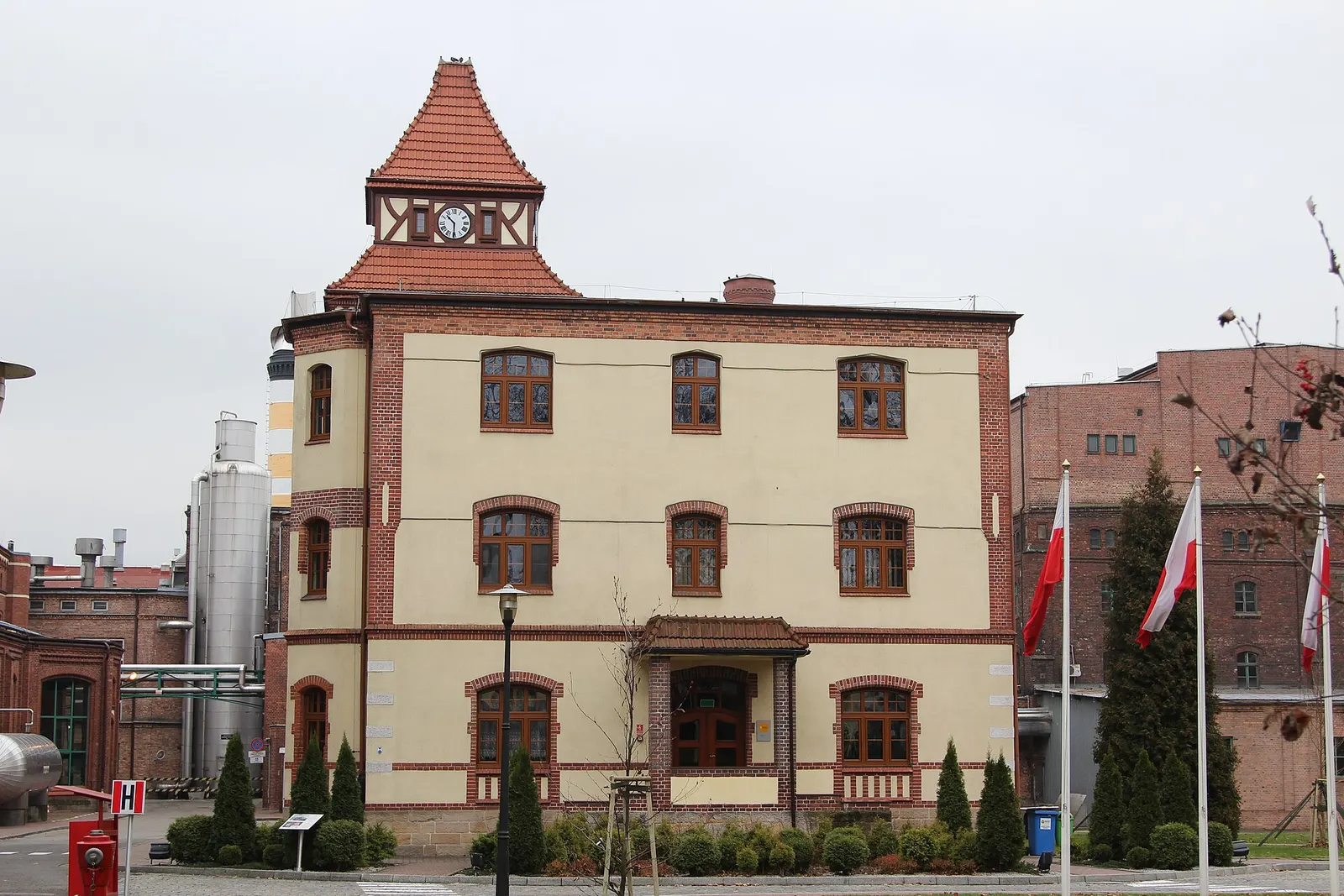
Tyskie Brewing Museum
↗ 21 km awayTyskie Brewing Museum in Wyry is an interesting stop connected with the area’s history, culture or landscape. Include it in a sightseeing pl…
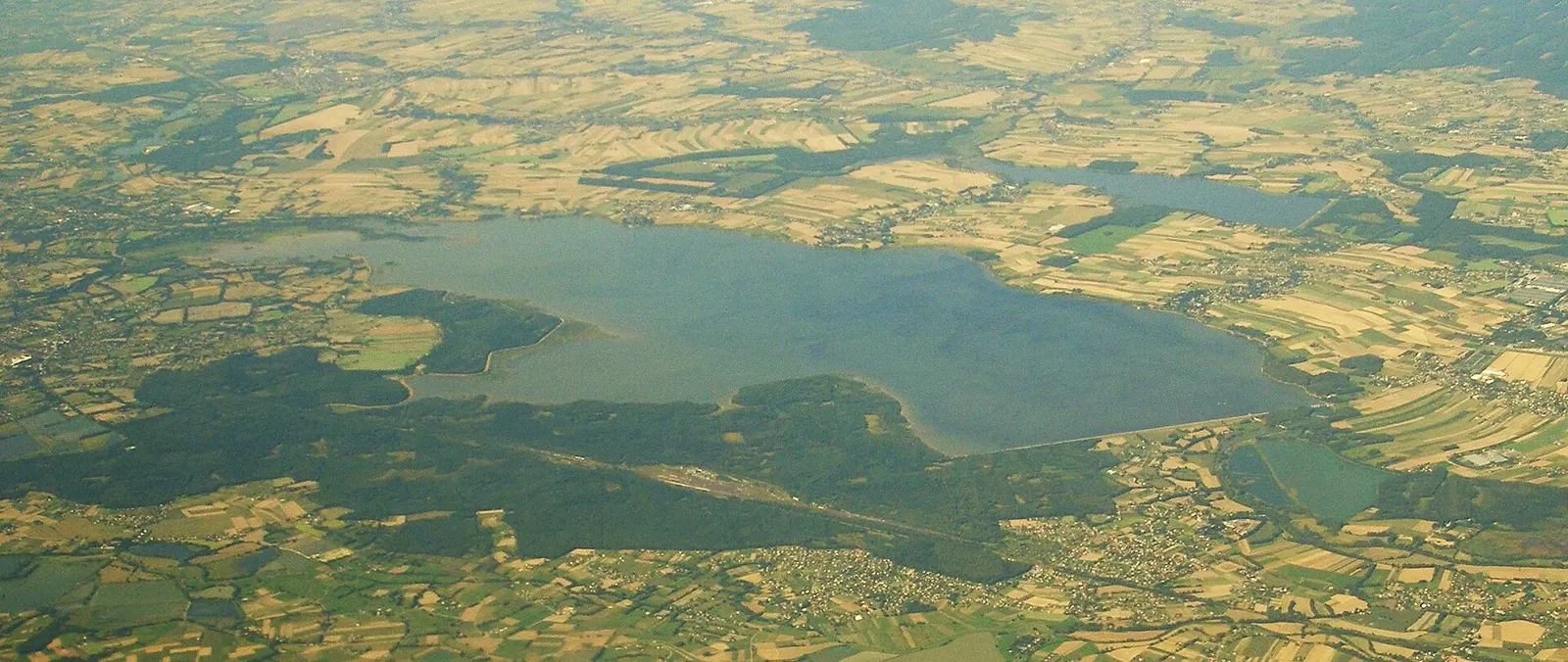
Goczałkowice Reservoir
↗ 22 km awayGoczałkowice Reservoir near Goczałkowice-Zdrój is a quiet waterside destination valued for its scenery and a break from the city. The shore …
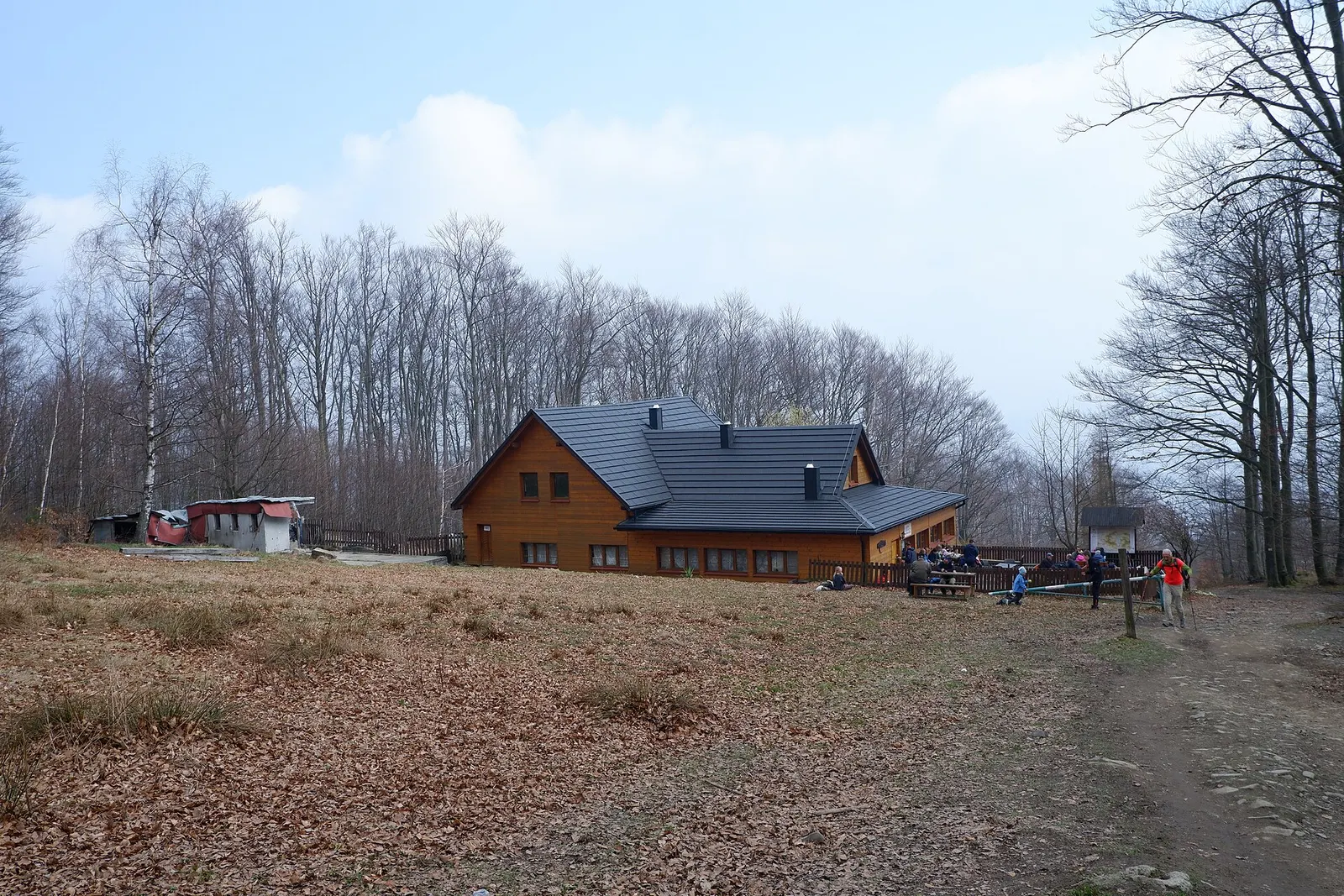
Chrobacza Łąka
↗ 23 km awayChrobacza Łąka is a mountain destination near Międzybrodzie Bialskie, popular with visitors looking for nature and scenic trails. Routes cro…
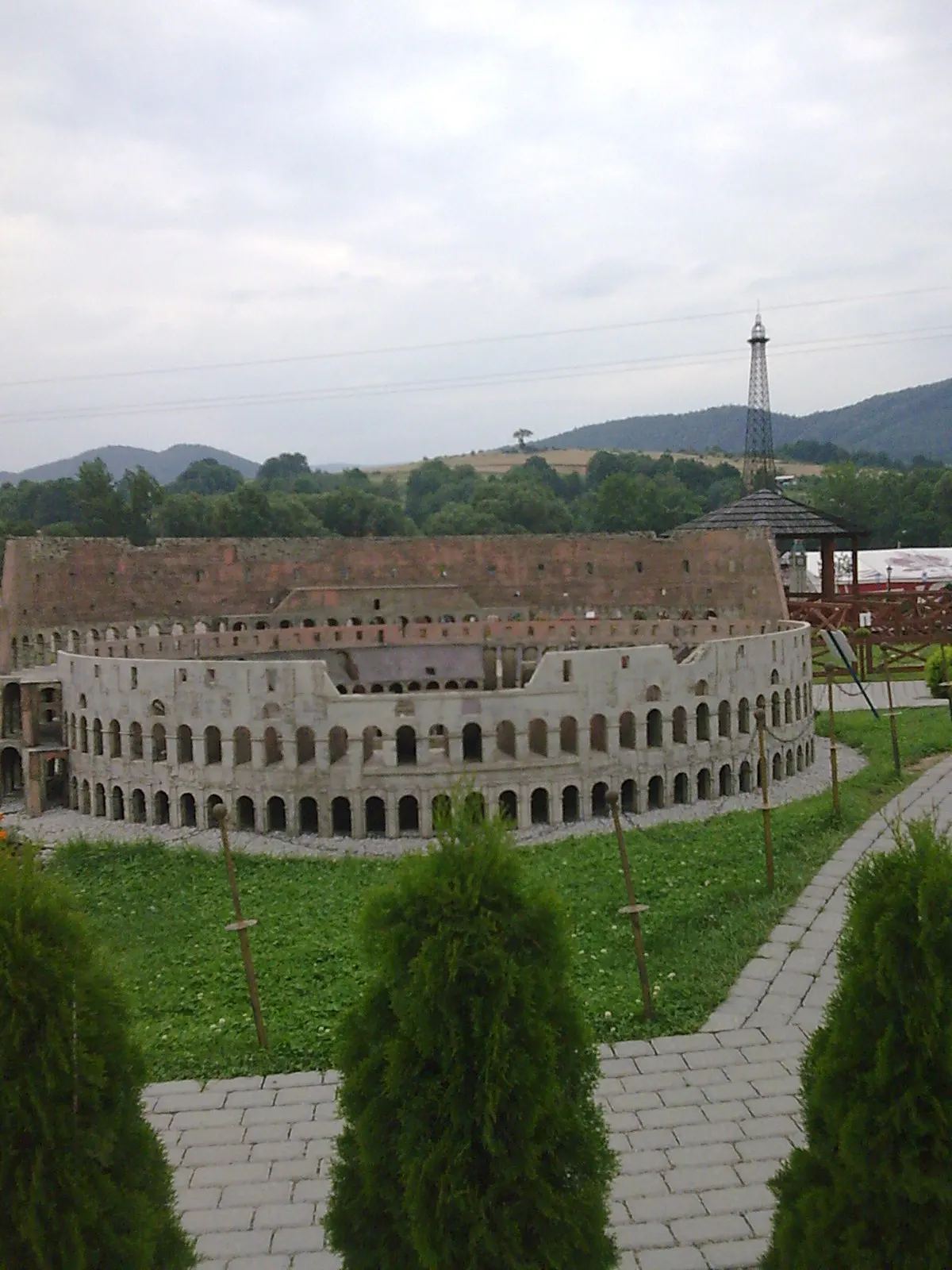
Park Miniatur w Inwałdzie
↗ 23 km awayPark Miniatur w Inwałdzie in Inwałd is an interesting stop connected with the area’s history, culture or landscape. Include it in a sightsee…
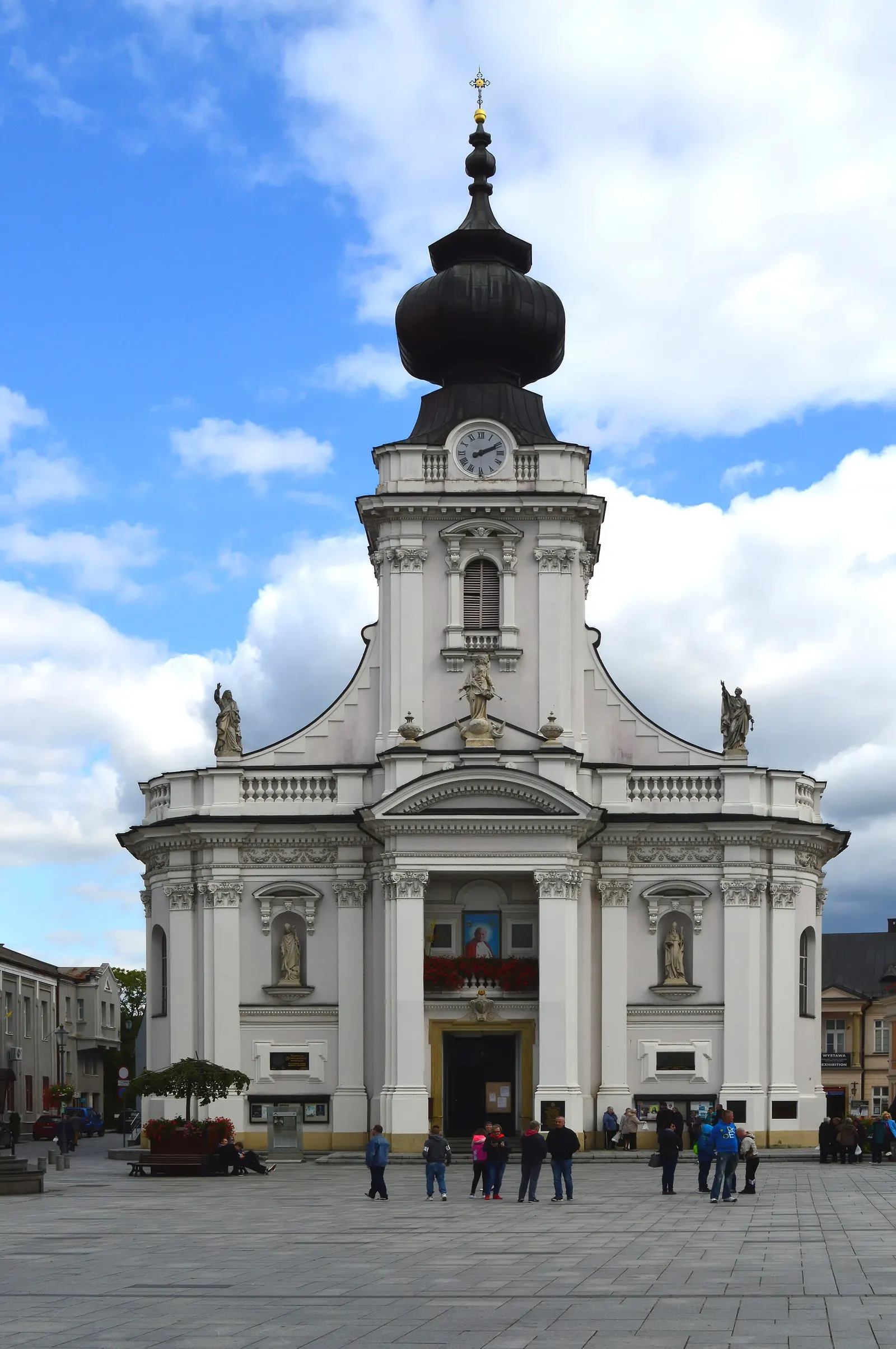
Church of Presentation of Virgin Mary in Wadowice
↗ 26 km awayChurch of Presentation of Virgin Mary in Wadowice in Wadowice is an interesting stop connected with the area’s history, culture or landscape…
Map
⚠️ Failed to load the map.
Open the list →